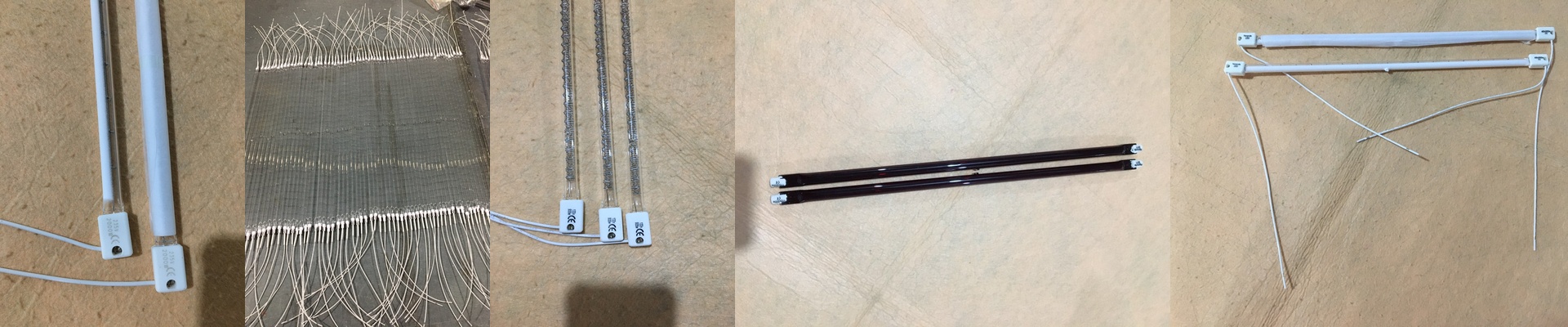
R7S Halogen Heating Elements: Engineering Infrared Power for Industrial Precision

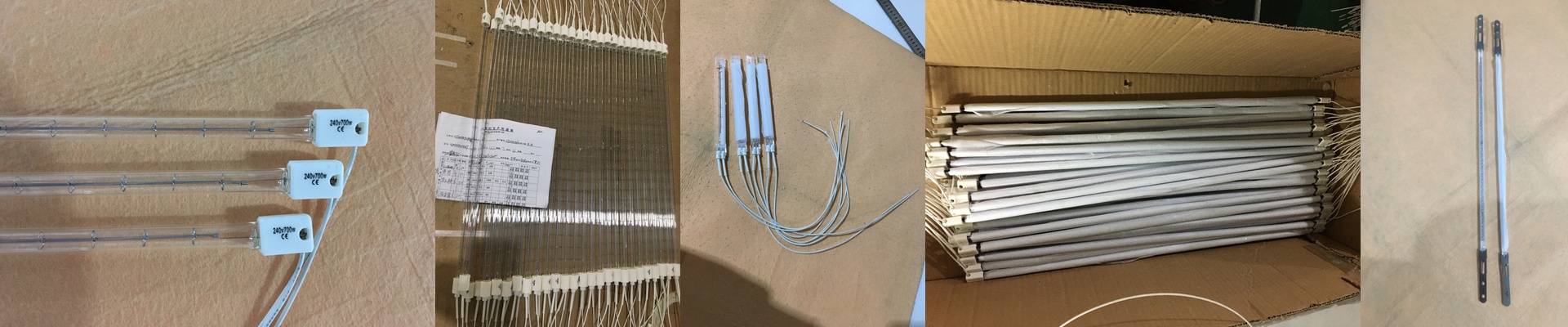
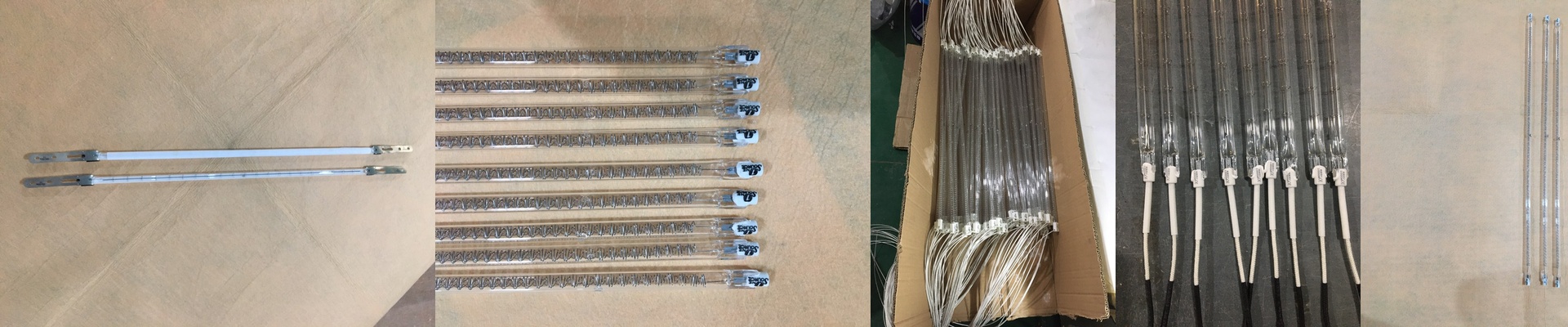
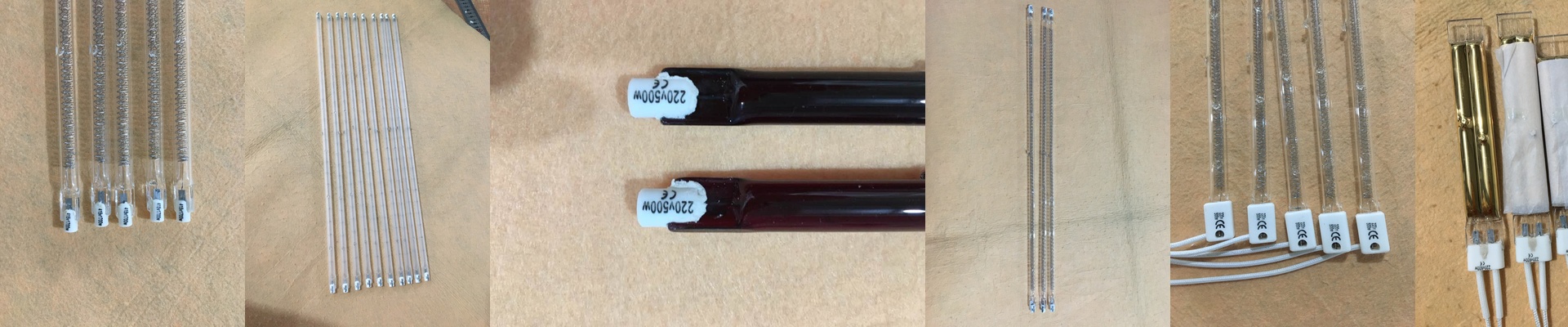
When you need heat fast, without taking up a lot of space, you spec in an R7S halogen heating element. These 840mm quartz infrared lamps are built for industrial environments where you need high-density heat in a compact footprint. They are the go-to choice for processes that demand rapid thermal response and precise control.
Technical Deep-Dive: Power, Voltage, and Dimensions
The core of the R7S halogen element is its specific power profile. These lamps typically run at high voltages, often 400V, to deliver power outputs ranging from 1000W to 2500W. The 840mm length is not arbitrary. It is a standardized dimension that balances the required radiant surface area with the mechanical constraints of the equipment it is installed in. The physics here is straightforward: higher wattage over that length equals high power density. This allows the lamp to reach operating temperatures quickly, providing the intense shortwave infrared radiation needed for rapid heating. However, this high power density comes with a trade-off. The heat generated is substantial, which means the surrounding machinery and the lamp’s own mounting hardware must be engineered to handle the thermal load. You need to ensure the system’s cooling and insulation are properly spec’d.
Material & Design: The Halogen Advantage
The lamp body is made from high-purity quartz, not just for heat resistance, but for its high transmittance in the infrared spectrum. This allows the element to generate shortwave infrared energy that penetrates materials directly, heating them from the inside out, rather than relying on convection. Inside the quartz tube, the halogen cycle is the key to long life. A halogen gas fill prevents the tungsten filament from evaporating and blackening the inside of the tube. The evaporated tungsten recombines with the gas and redeposits on the filament, keeping the output stable and extending service life. This is a major step up from standard incandescent lamps. The R7S bi-pin connector is the standard for a reason. It provides a secure, high-temperature electrical connection that is easy to wire up and replace. The design ensures the lamp seats correctly in the reflector assembly, maintaining the precise focal point required for efficient energy transfer.
Application & Benefits: Solving Real Engineering Problems
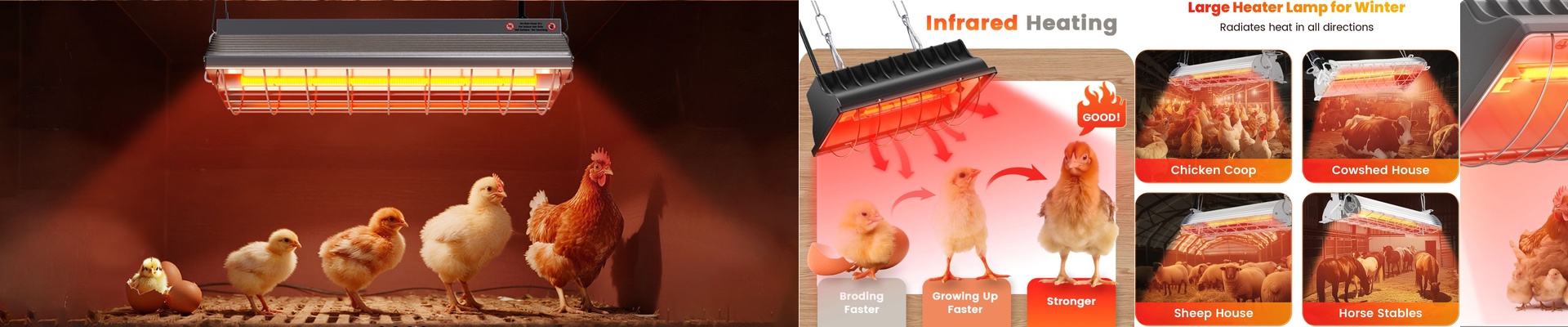
On the shop floor, these lamps are often found in industrial heating, drying, and curing applications. They are particularly effective in processes like PET blowing, where you need to soften preforms quickly and uniformly. The shortwave infrared output heats the plastic surface rapidly without overheating the air around it, which translates to faster cycle times and lower energy waste. For engineers, the benefit is clear: a compact heating source that delivers high heat output with fast response. This makes the R7S halogen element a straightforward drop-in replacement for aging systems. It simplifies integration because the footprint is standardized, and the performance is predictable. The lamp handles the intense heat, but you still have to manage the thermal environment. Plan for proper heat shielding and airflow to keep the surrounding electronics and mechanical components from taking a beating. In short, the R7S halogen infrared lamp is a purpose-built tool. It combines high-temperature materials, efficient infrared physics, and a standardized mechanical interface to deliver reliable, high-density heat where you need it most.
Application & Benefits: Solving Real Engineering Problems
On the shop floor, these lamps are often found in industrial heating, drying, and curing applications. They are particularly effective in processes like PET blowing, where you need to soften preforms quickly and uniformly. The shortwave infrared output heats the plastic surface rapidly without overheating the air around it, which translates to faster cycle times and lower energy waste. For engineers, the benefit is clear: a compact heating source that delivers high heat output with fast response. This makes the R7S halogen element a straightforward drop-in replacement for aging systems. It simplifies integration because the footprint is standardized, and the performance is predictable. The lamp handles the intense heat, but you still have to manage the thermal environment. Plan for proper heat shielding and airflow to keep the surrounding electronics and mechanical components from taking a beating. In short, the R7S halogen infrared lamp is a purpose-built tool. It combines high-temperature materials, efficient infrared physics, and a standardized mechanical interface to deliver reliable, high-density heat where you need it most.