Electric Halogen Heating Elements: The Specs, Straight Up
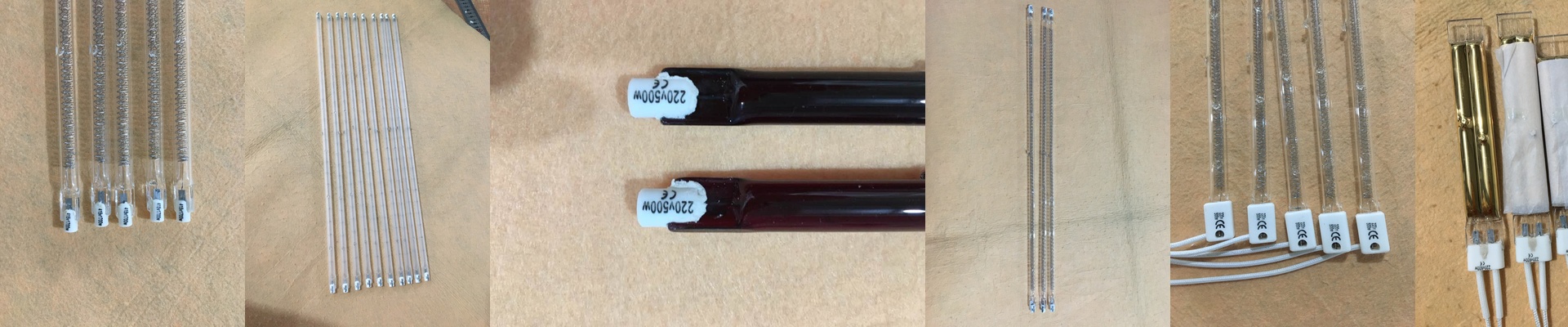
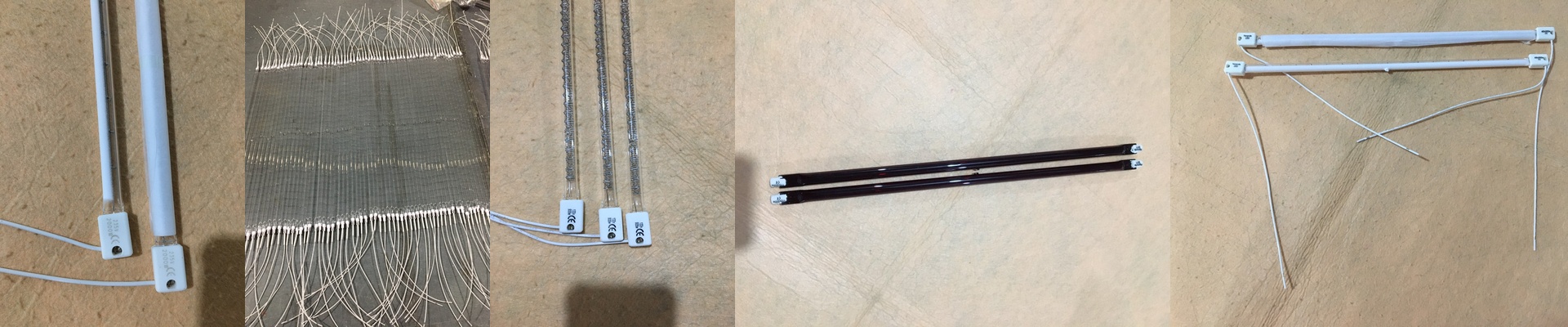
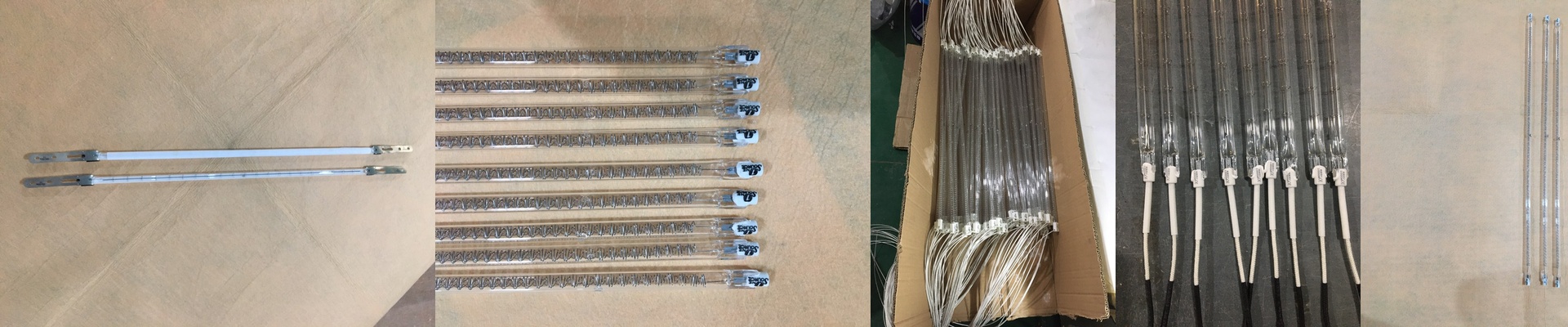
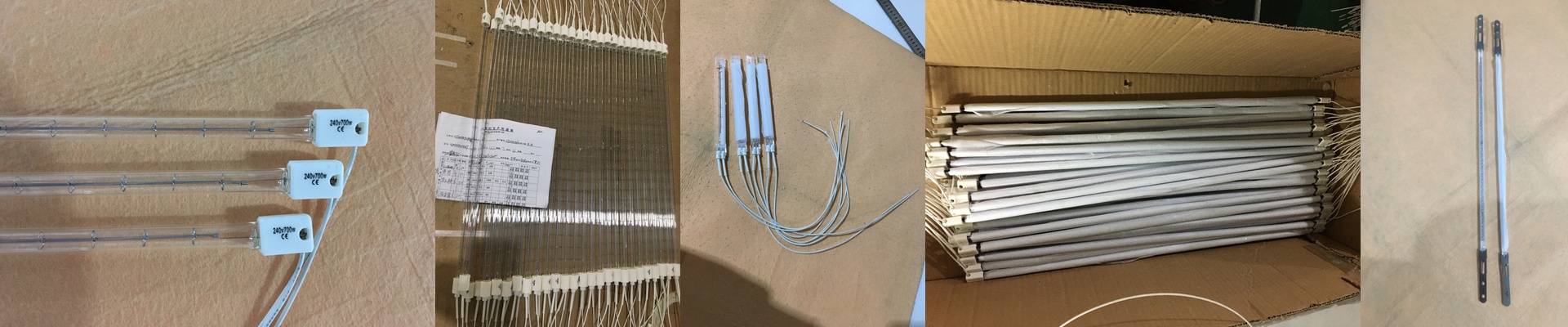
We build electric halogen heating elements to be one thing above all else: a seriously compact powerhouse of heat. These aren’t your basic resistive coils. Think of them as shortwave infrared emitters, designed to pack a huge heating punch into a tiny space. That’s the whole point, really. We’re talking high heat density, right where you need it. That’s why we nail down specific power ratings and voltage setups. Take the 400V input, for example. It lets us crank out 2500W or more without overloading your wiring and connectors. The payoff? Your machine warms up faster, and you get much tighter control over the temperature. Just know this: you’ll need to make some room in your control panel. You’ll need space for a contactor that can handle the load, and you’ve got to leave enough clearance for proper insulation.
What’s Inside, and Why It Matters
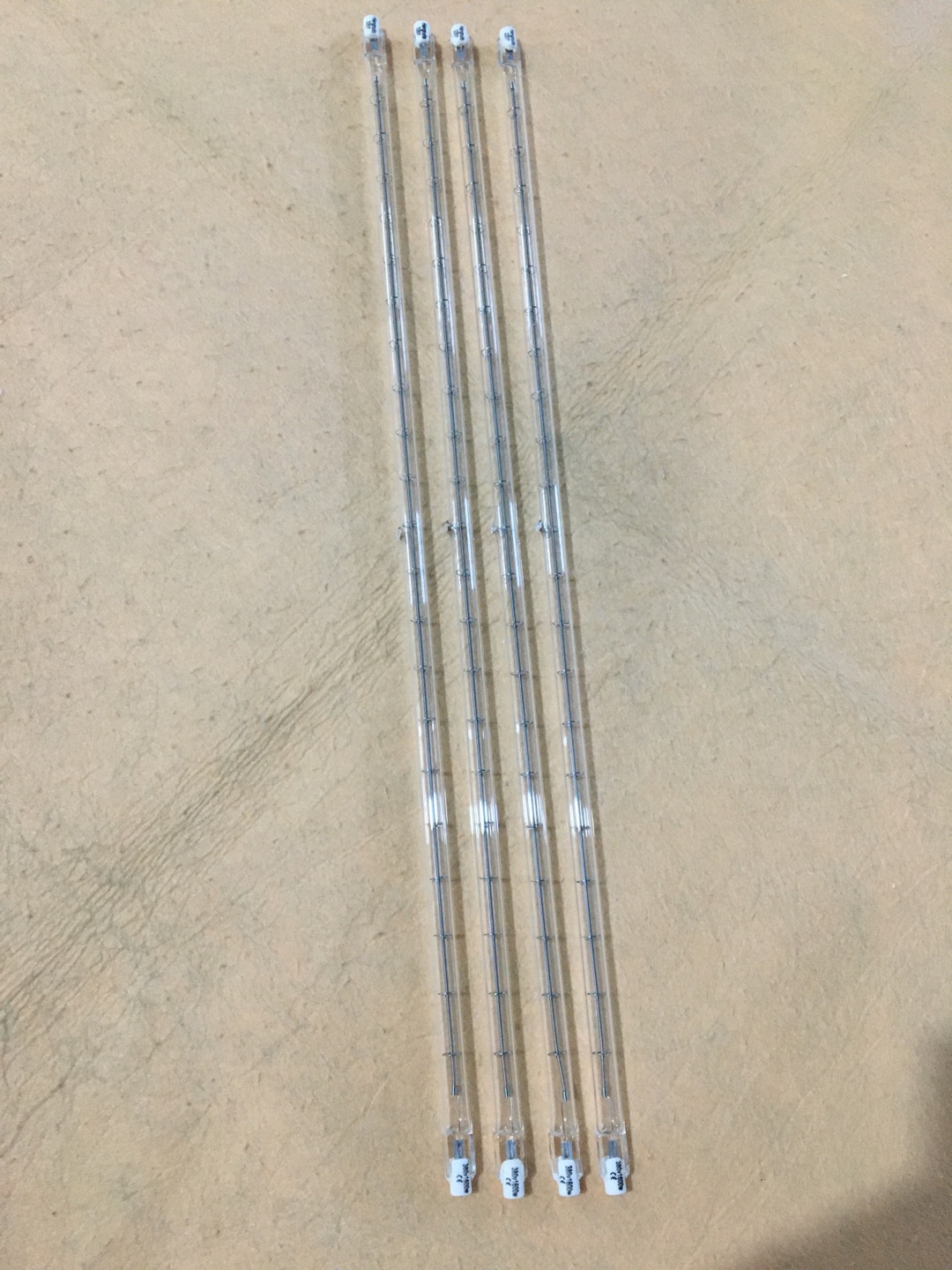
The tube itself is quartz. We chose it because it can take extreme temperature swings and it’s great at letting infrared energy through. Inside, a halogen cycle does some quiet, brilliant work. It catches material that evaporates off the filament and sends it right back where it belongs. This keeps the filament stable, which means less blackening over time and a more consistent output compared to standard infrared lamps. We also coat the outside of the tube. This helps control the type of heat it gives off and protects the tube from grime. Then there’s the base. The R7s base is the standard for linear halogen lamps. It gives you a solid, two-point connection that stays tight, even in high heat and constant vibration. If your machine uses an Sk15, it’s the same idea. A tough, reliable connection that keeps the element locked in place and aligned. No arcing. No flickering contacts. Just steady performance, cycle after cycle.
Where It Shines—And What to Keep in Mind
These elements are perfect when you need to heat something up fast, and you need to heat just one specific spot. Think plastic processing, sealing, curing, or heating a moving web. The shortwave heat gets right to the target, and the small size fits into those cramped spots where a giant oven just isn’t an option. You get serious power and a quick response, all in a small package. But, like anything with that much punch, there are trade-offs. The high heat density means you’ve got to plan your mounting and airflow carefully. You need to make sure you don’t cook the components nearby. And be realistic about lifespan. If you push the element to extreme voltages or run it in a dirty, oily environment, it won’t last as long. But if you keep the quartz clean and match the voltage and wattage to your control system, you’ll get reliable heat, every single time. And your maintenance schedule? It stays predictable.