What Actually Goes Into a Heavy-Duty Heat Lamp?
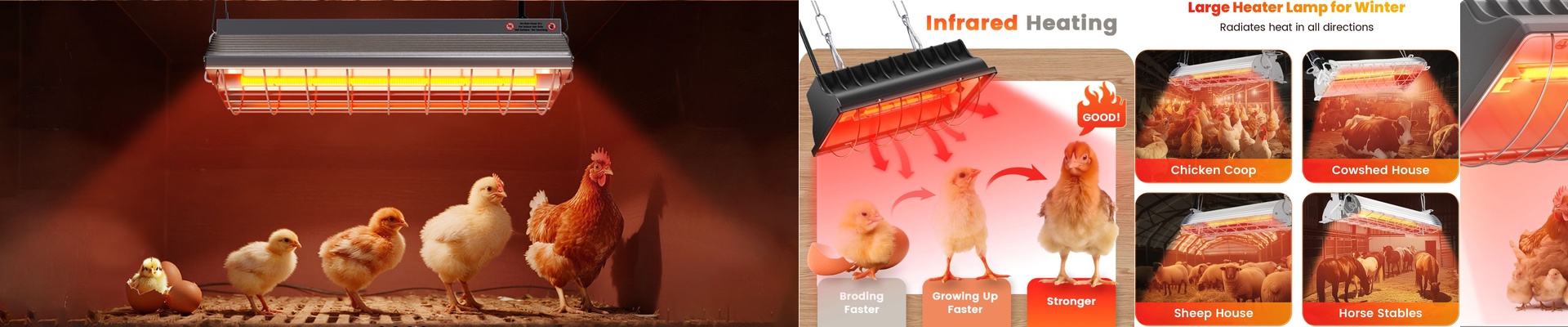
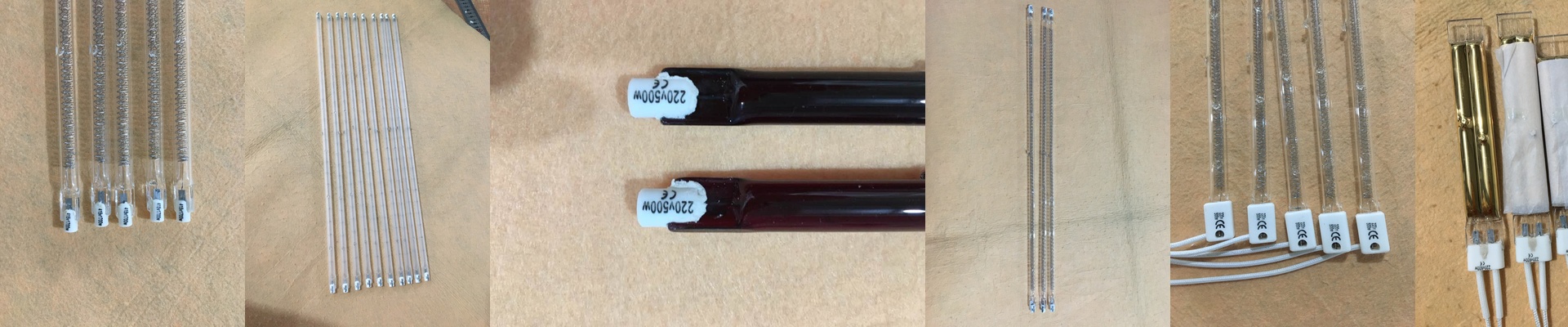
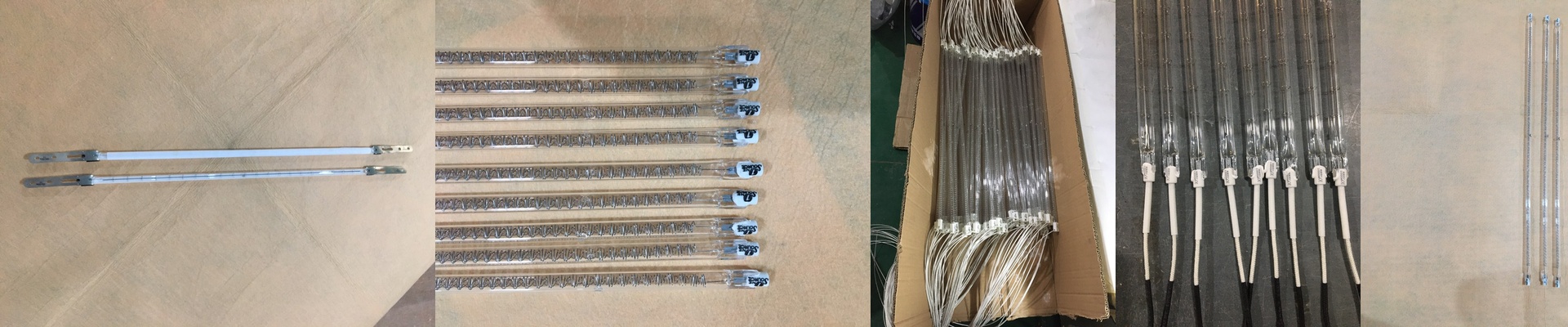
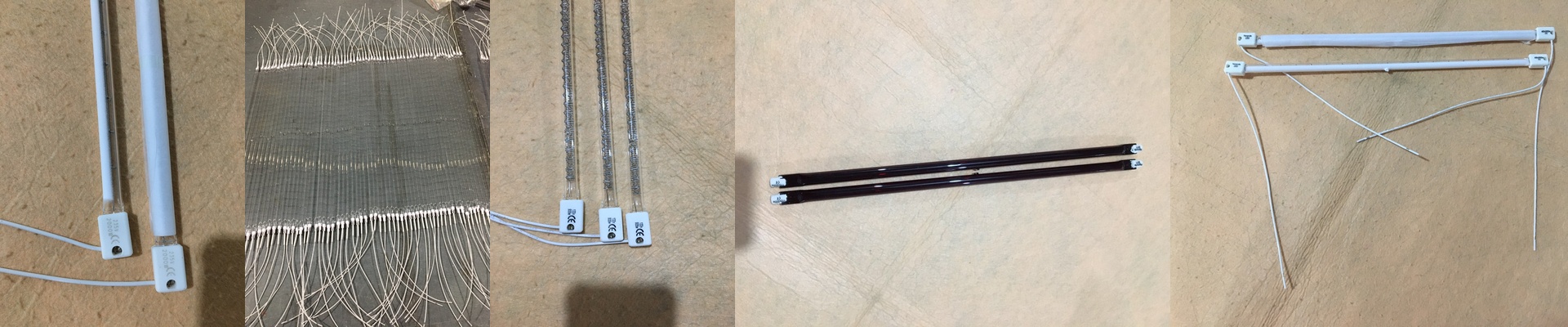
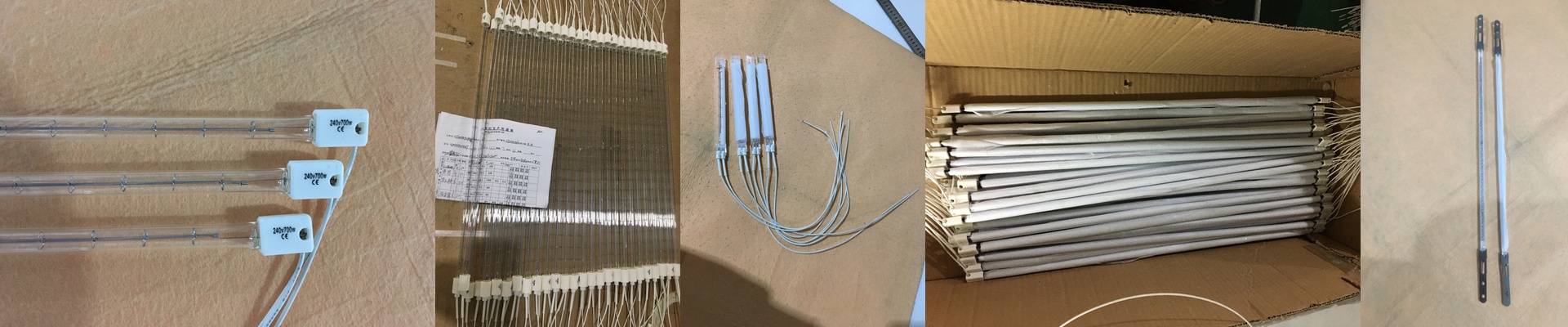
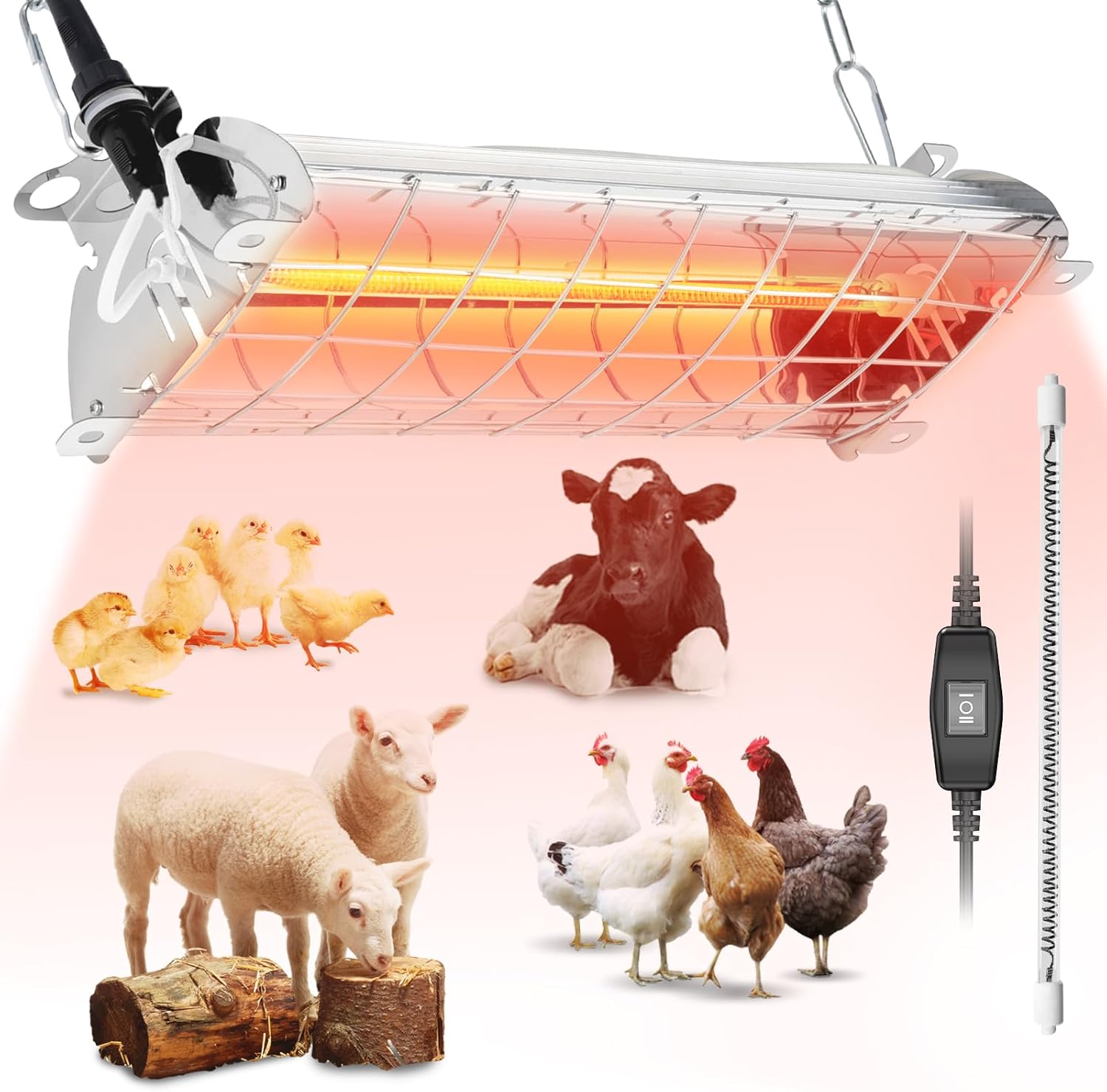
We build our infrared fixtures to the same standards as the big-name livestock brands. If you’ve ever sourced OEM parts for a large farm, you know the deal: there’s a world of difference between a cheap lamp that burns out in a month and a real industrial fixture that can actually handle constant heat. The power side of things Here’s the thing about drafty barns—they eat heat. To keep the temperature steady, you need high wattage. But if your voltage is all over the place, your bulbs are going to pop. That’s why we obsess over voltage tolerances. If you pair a high-wattage tube with a bad ballast or an unstable power supply, you’re just asking for a short lifespan. We calibrate everything so the heat spreads evenly across the element. No hot spots, no cracked quartz glass. Just steady warmth. Built to take a beating We don’t use flimsy materials. The housing is heavy-gauge, so it won’t warp or bend when things get hot. We also treat the reflectors to make sure the heat actually goes where it belongs—down toward the animals—rather than wasting energy on the ceiling. And then there are the connectors. Cheap ones wiggle loose when the machinery vibrates, which leads to arcing. Not great. We use locking mechanisms because a tight connection is the only way to stay safe. Real-world talk Look, these lamps are tough. They’re made for the dust and humidity of a working barn. But let’s be honest: nothing is indestructible. If your facility has really high ammonia levels, you’ve got to keep an eye on the seals. Check them every six months to make sure corrosion isn’t creeping in. To make sure you aren’t getting a lemon, we run every single batch through a burn-in test before they leave the shop. When they arrive, they’ll fit right into your existing setup, matching the footprint and electrical load of the original brand-name gear. It’s just an easy swap.