
Engineering Corrosion-Resistant Infrared Heating Elements for Heavy-Duty Barn Environments
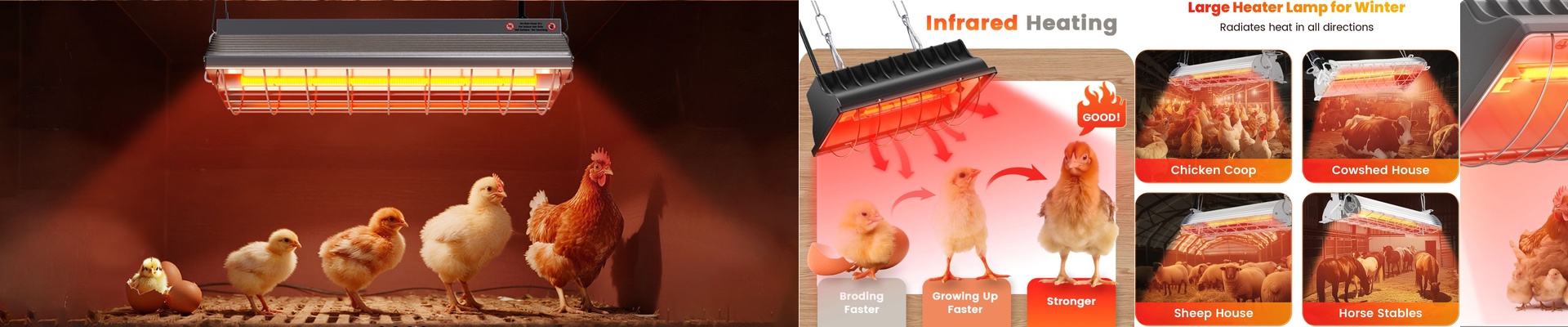
Horse barns are brutal environments for electrical heating. Ammonia from animal waste and high humidity levels eat through standard wiring and compromise seal integrity. We designed our heavy-duty infrared heaters to handle these conditions by upgrading the lead-wire chemistry and the sealing process to match international industrial standards.
Corrosion-Resistant Lead-Wire Specs
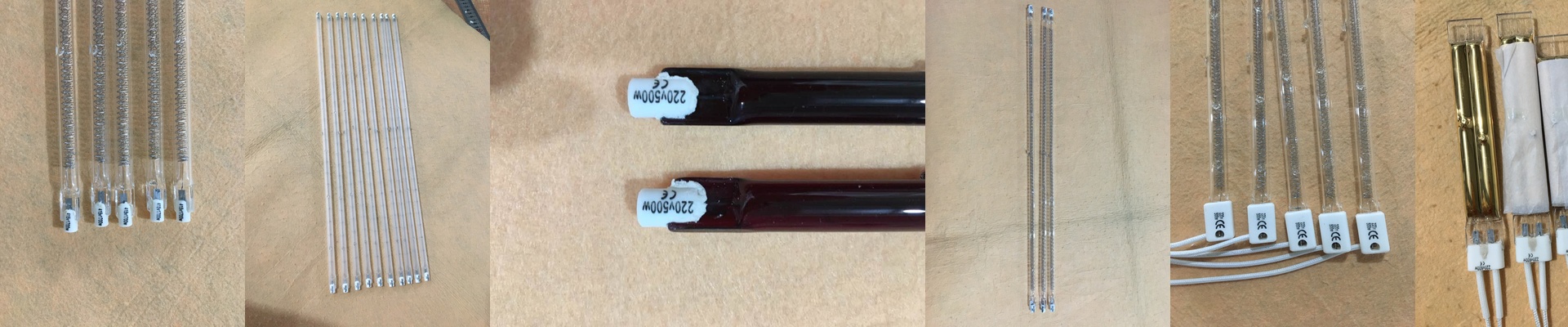
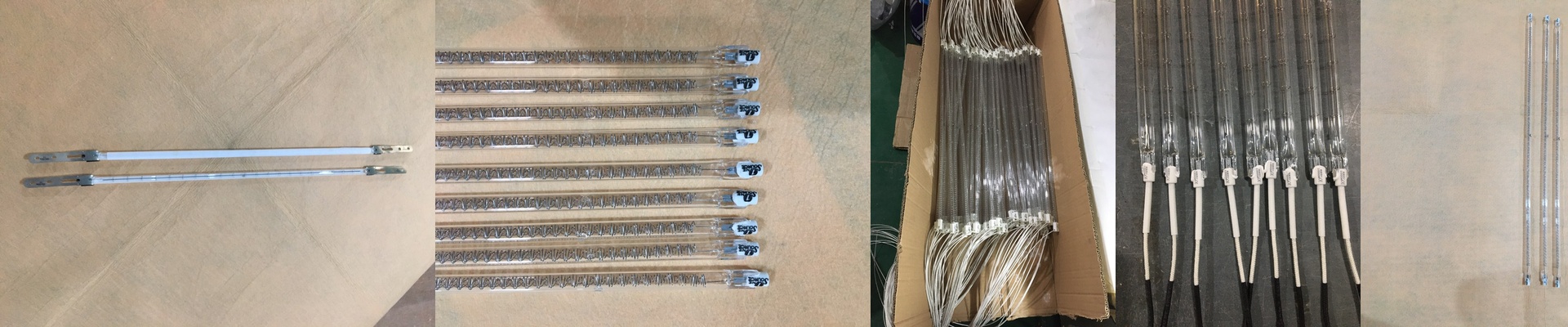
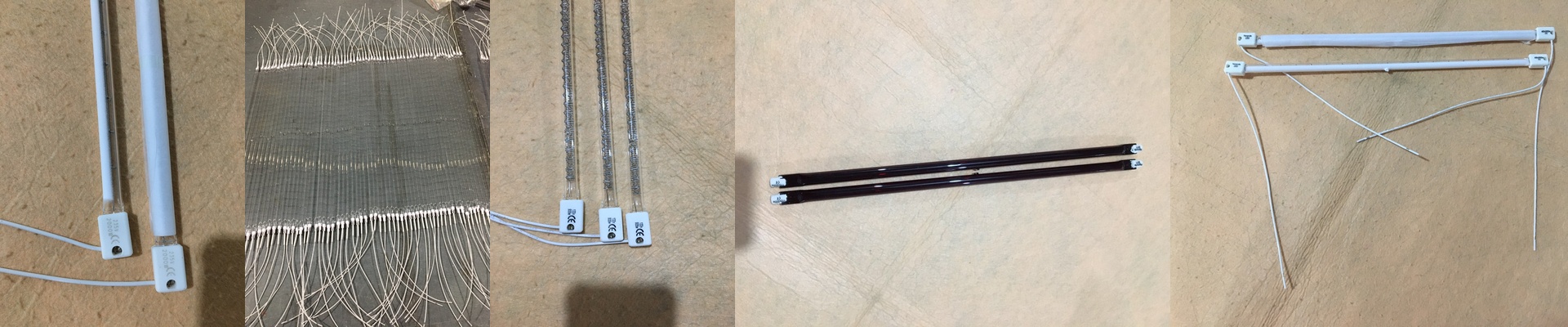
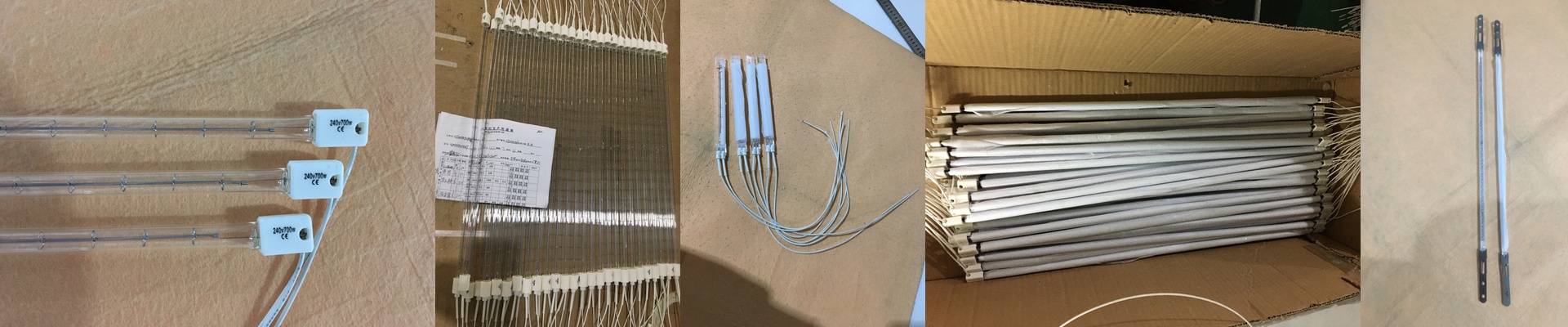
Standard conductors oxidize quickly in livestock settings. We switched to specialized corrosion-resistant alloys for the lead wires. This prevents the “burn out” typically seen at the junction where the heating element meets the power cable. By using these materials, the connection points stay intact even when exposed to caustic airborne particles. You won’t see the typical green oxidation or pitting that leads to premature failure.
Sealing Technology and Structural Integrity
A leak in the seal means moisture hits the filament. Once that happens, the lamp is dead. We implemented a vacuum-sealed process that mirrors the precision of top-tier global brands. The seal is tight. It keeps the internal halogen gas in and the barn moisture out. We moved away from basic adhesives to a high-temperature mechanical seal. This structure prevents the glass-to-metal interface from cracking during rapid thermal cycling. It takes a beating.
Field Implementation and Trade-offs
These heaters are drop-in replacements for most heavy-duty barn setups. Because we increased the material density in the seals and wires, the units are slightly heavier than budget options. You need to ensure your mounting brackets are spec’d for the added weight. The higher heat density allows for faster warm-up times in large open spaces. Just make sure your wiring gauge can handle the current draw to avoid voltage drops across long barn runs.