Introduction
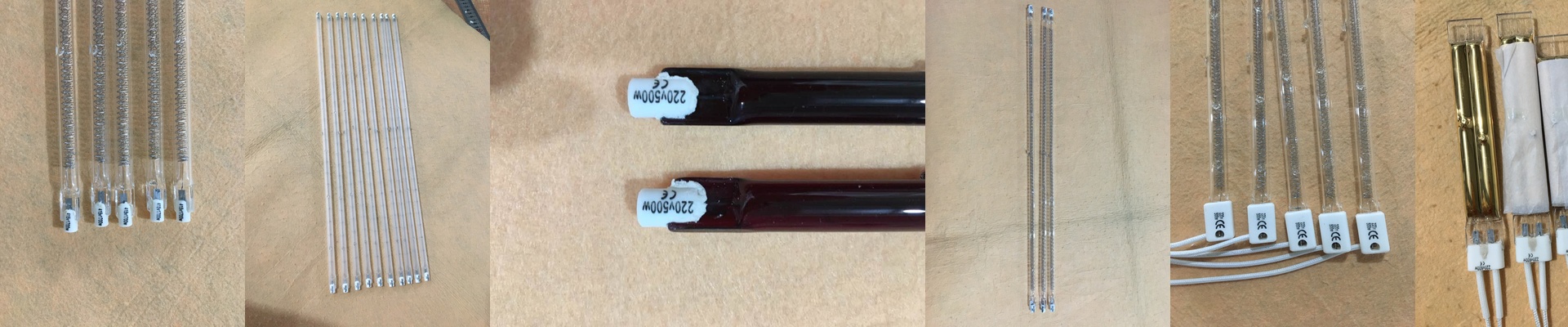
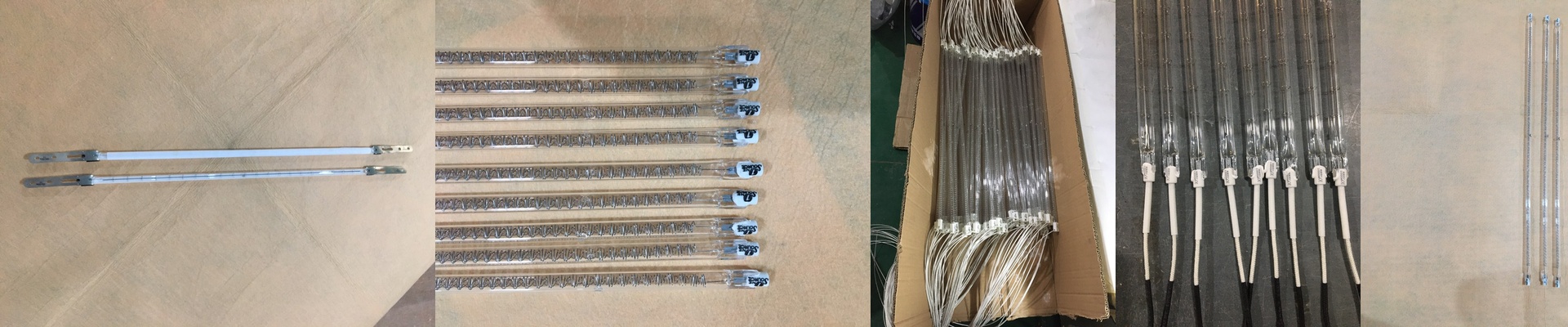
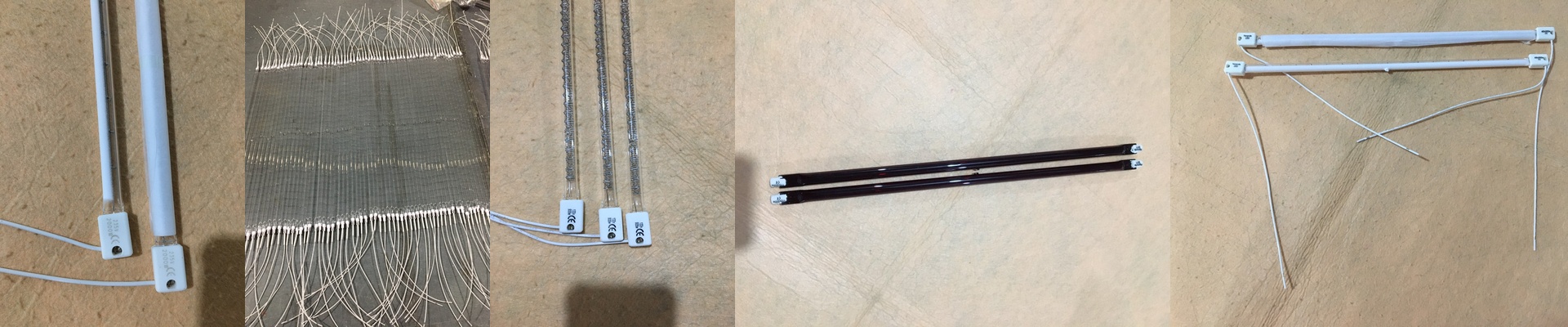
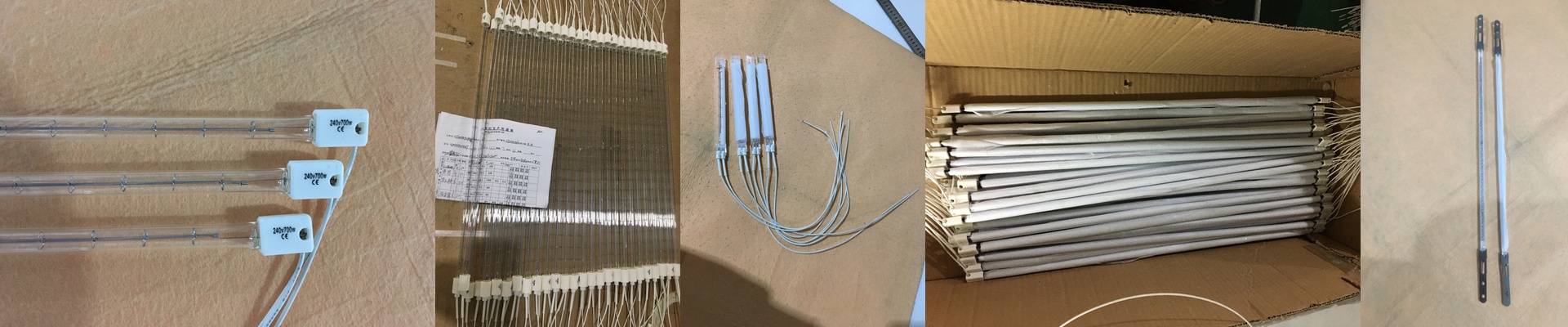
We built this 440V, 3000W infrared lamp to be a straight swap for the Sidel Matrix. Plain and simple. You pop it in, and the machine’s heat behavior stays exactly where you need it. We matched the original on voltage, wattage, and how it handles heat, so the heating zone just keeps doing its thing—no re-tuning needed.
The Power, Voltage, and Heat—Why It Matters
That 3000W rating at 440V? Not random. It’s what the Sidel Matrix heating block needs during the PET blowing cycle—serious heat packed into a tight space. Going with high voltage keeps the current lower for the same power. That means less stress on the wiring and a more stable temperature curve inside the machine. And what you feel on the line? Predictability. The temperature ramps the same way the original did. When you’re running at high cycle rates, that stability is a big deal. Fewer temperature alarms. Less time spent recalibrating every time you change a lamp.
What It’s Made Of: Quartz, Coating, and the Right Connector
The tube is wrapped in quartz, with a high-temperature coating that focuses the infrared output where it needs to go. That coating keeps the heat output even across the whole tube, so you don’t get hot spots or cold spots in the heating zone. We went with an R7s connector because it can handle the current without the contacts getting overheated, and it locks in solid. Swapping lamps is quick—just wire it up, seat it, and the lamp lines up with the reflector the way it should.
Real-World Use: Sidel Matrix PET Blowing
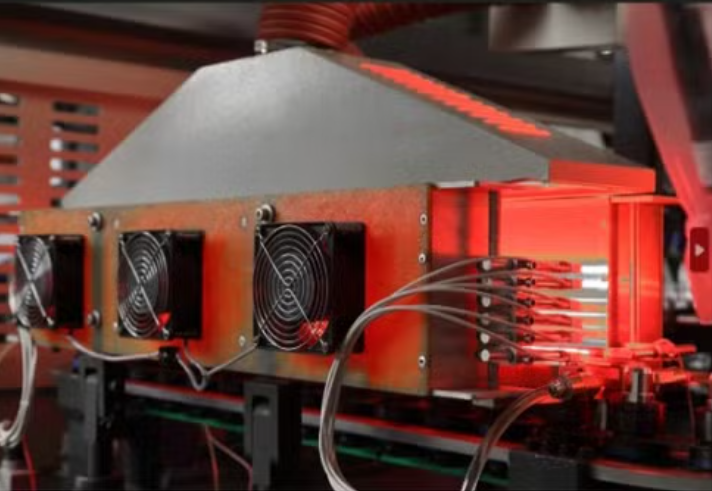
Inside a Sidel Matrix PET blowing cell, the lamp gets hammered with rapid on/off cycles and still has to hold preform temperature steady. This lamp was built for that kind of beating. A heads-up: 3000W throws off a lot of heat. Make sure your machine’s cooling and airflow are up to spec. If they aren’t, heat buildup can cut the lamp’s life short. For you, the payoff is simple—smooth operation. The parameters line up, maintenance is easier, and the component holds up under the heat without drifting.
- One quick reminder: double-check your machine’s voltage and socket type before you install.*