Getting the Most Out of Ruby Halogen Elements with R7s Bases
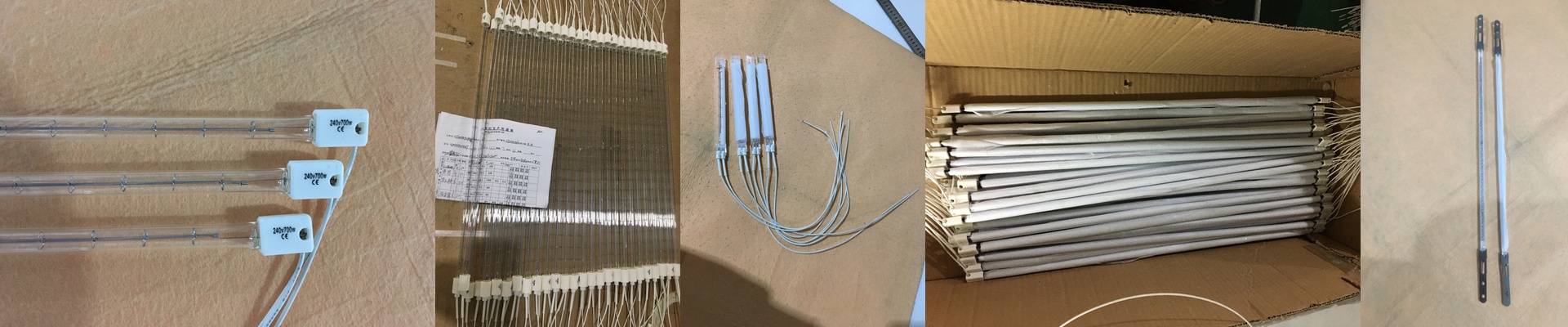
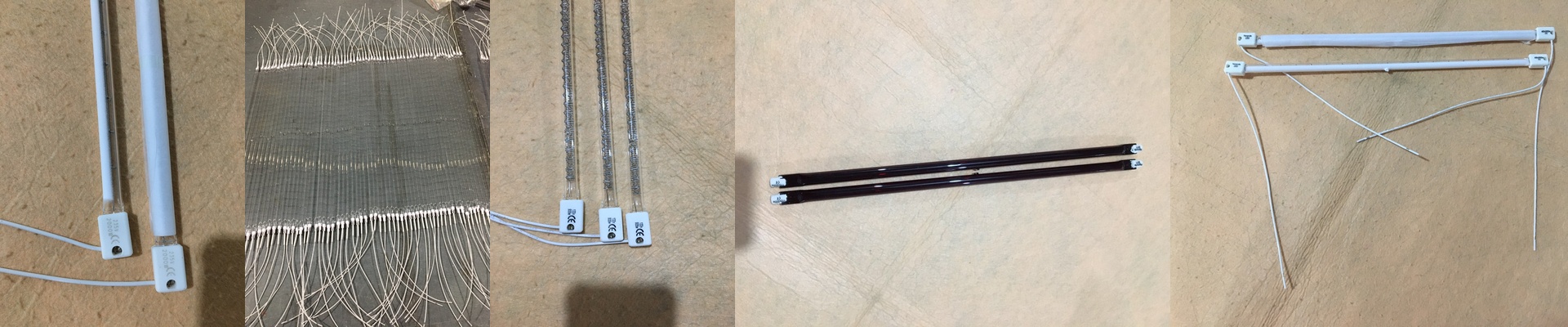
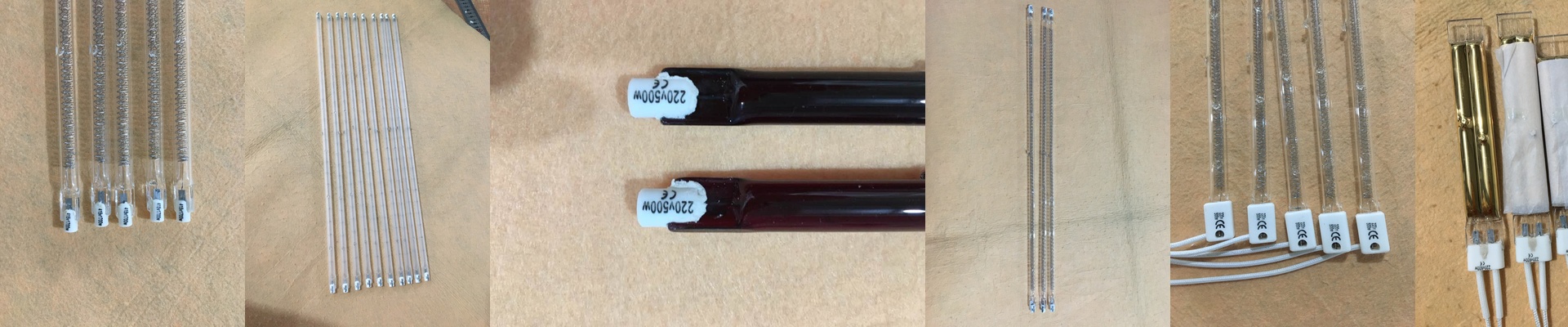
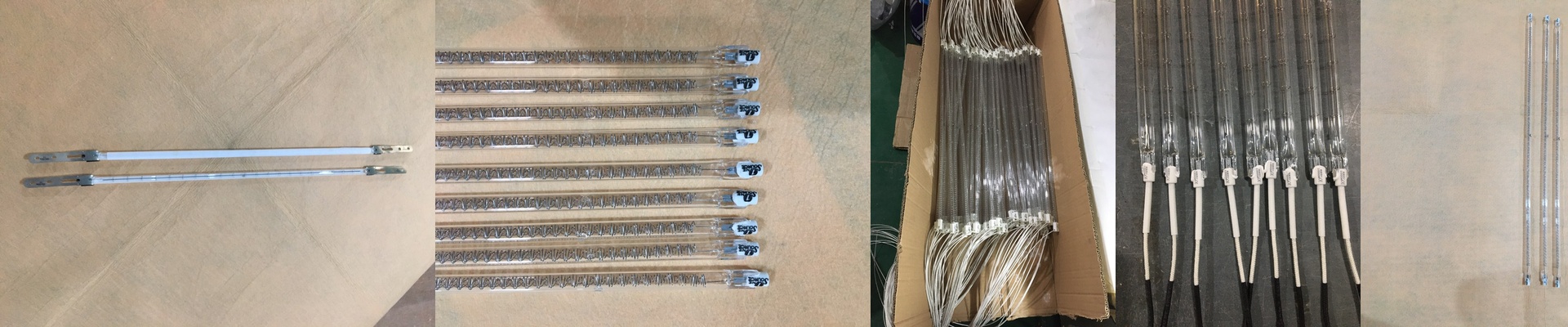
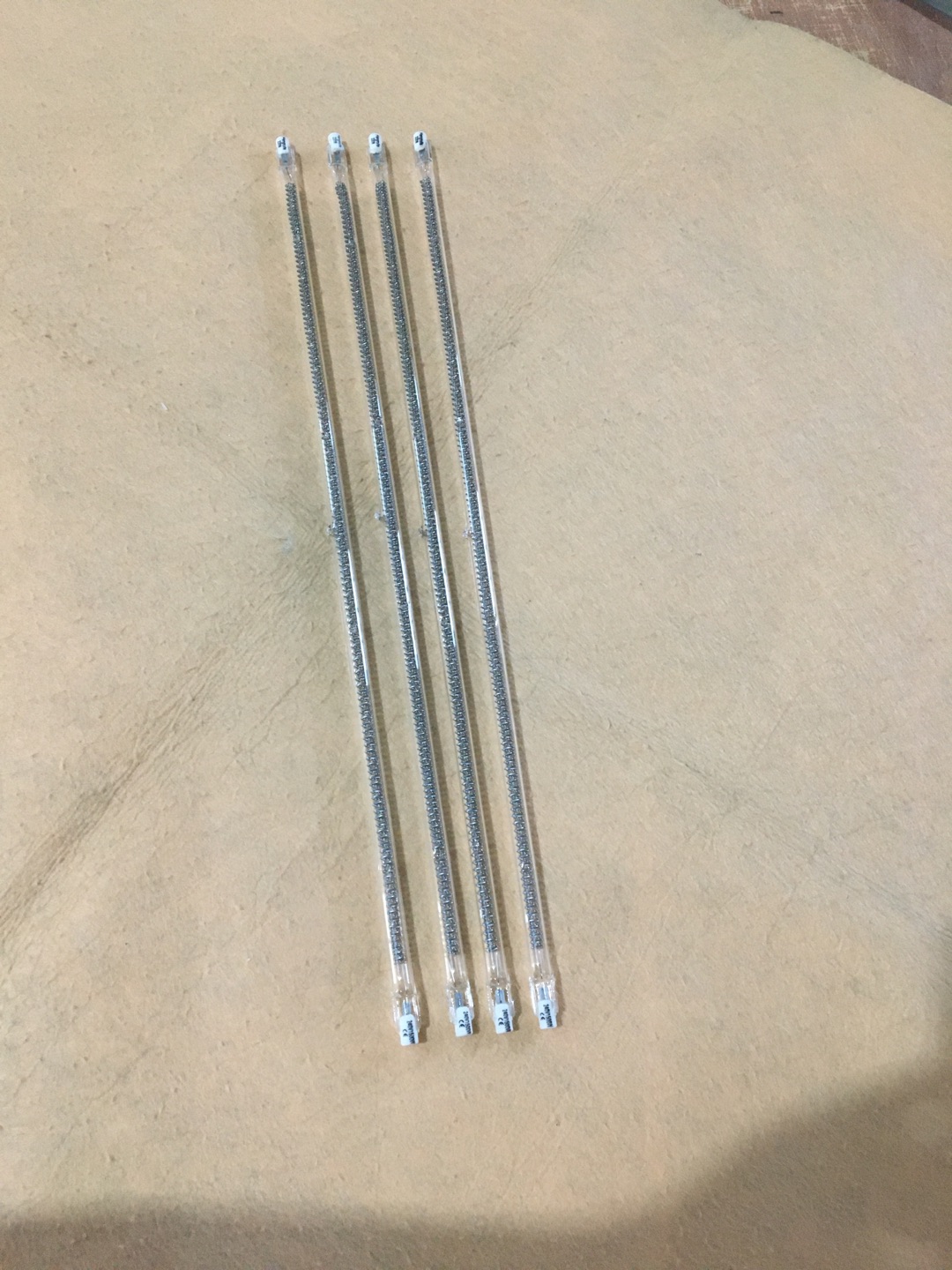
We build these Ruby Halogen elements for one reason: you need intense, shortwave infrared heat, and you need it now. The secret is the halogen gas fill. It keeps the tungsten filament in check so the glass doesn’t get that cloudy, darkened look over time. This means the heat stays consistent from one end of the tube to the other. No cold spots. No guesswork. Let’s talk about the heat. These things react fast. Really fast. Because of how we pair the voltage and wattage, the heat sinks into your materials way quicker than those old long-wave heaters ever could. If you go with a high-wattage tube, you get a really tight, concentrated heat footprint. It’s a lifesaver for things like PET blowing or curing plastics because it slashes your cycle times. Just a heads-up: make sure your power supply actually matches the lamp’s rated voltage. If you don’t, you’re just asking for a burnt-out filament. Why we use the R7s ceramic base If you’ve worked with metal sockets, you know the headache. They warp. They oxidize. They just give up under constant heat cycles. We switched to ceramic because it doesn’t care about the heat. It handles the load without breaking a sweat. Plus, it’s a secure fit, so if you’re replacing a worn-out unit, these just slide right in. You get a tight electrical connection, which means you don’t have to worry about nasty arcing at the terminals. A few things to keep in mind Here’s the thing: these elements pack a massive amount of heat into a tiny space. You’ve got to make sure your housing and reflectors can actually take that kind of temperature. If your cooling system isn’t up to the task, the “heat soak” can end up frying your other machine parts. And a pro tip? Be gentle. Avoid any bumps or physical shocks while the lamp is warming up, or you’ll shorten the life of the filament. Also, use high-temperature leads for your wiring. You don’t want your insulation melting right next to that ceramic base.