Introduction
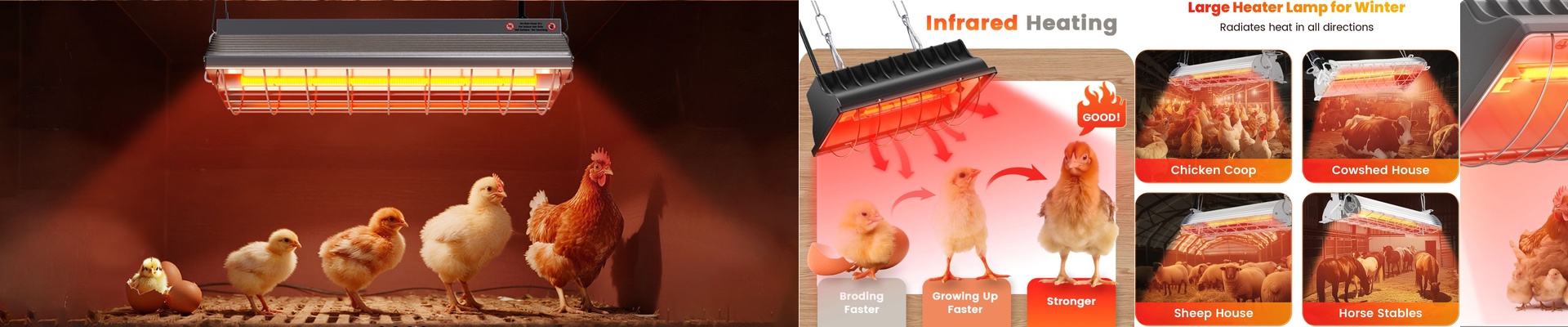
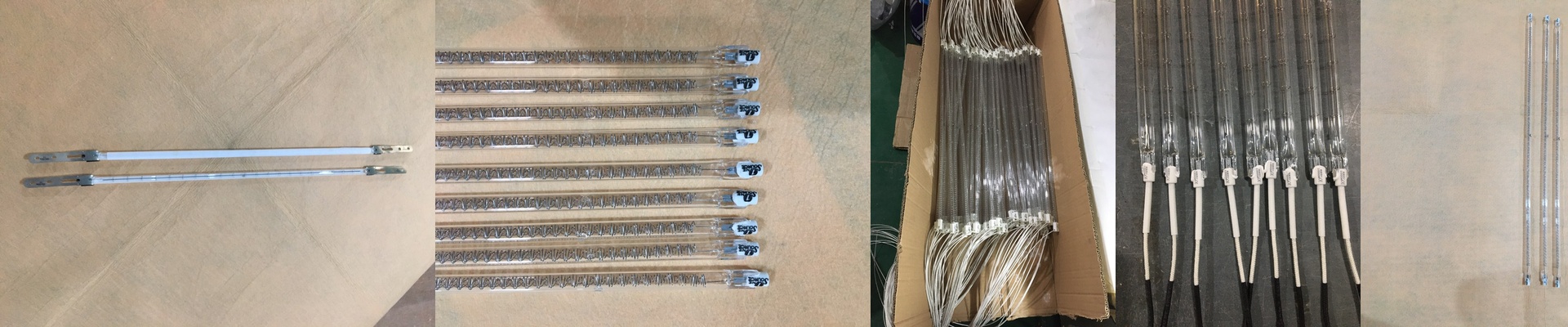
We built this 1200W, 230V infrared halogen heater for engineers who just need heat they can count on—without the bulk. It’s the kind of unit that slips right into existing machinery or fits cleanly into a new design when you need fast, focused warmth.
What Makes It Tick
The 1200W rating at 230V wasn’t picked by accident. It gives you serious heat density while still working with standard electrical setups. You know exactly how much current it pulls, so wiring and component selection for your control panel stay straightforward. And because it runs on 230V, the current is lower than it would be on 110V. That means smaller conductors and less stress on your connections. The wattage is tuned for a quick temperature jump—not for warming up the whole room.
The Heart of the Design
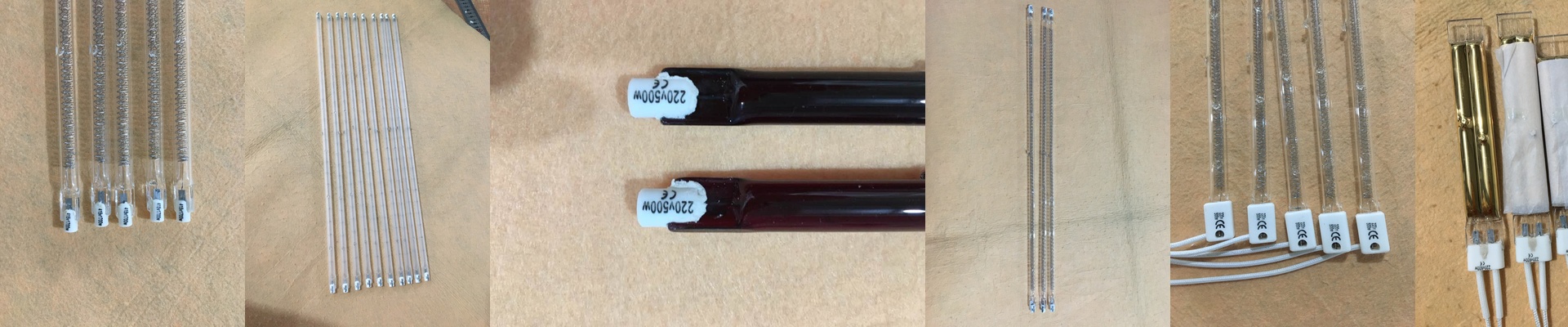
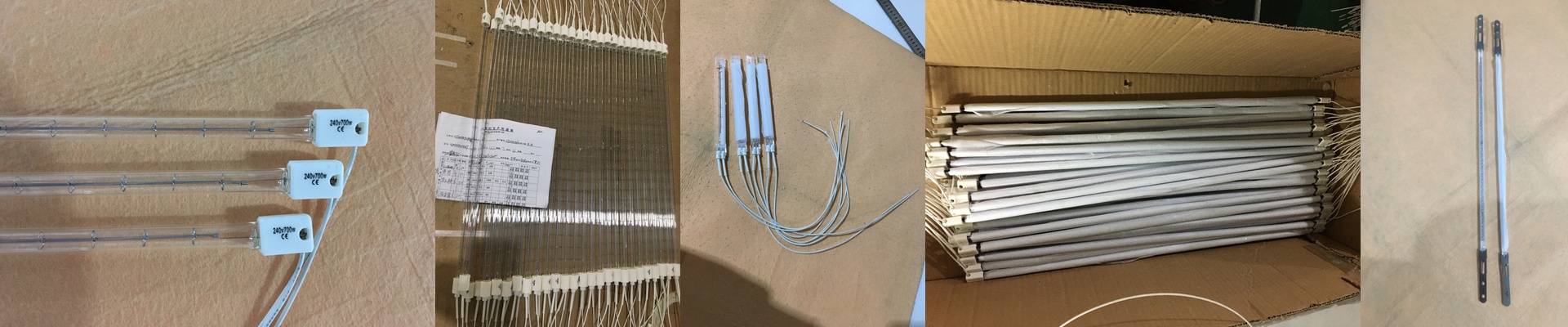
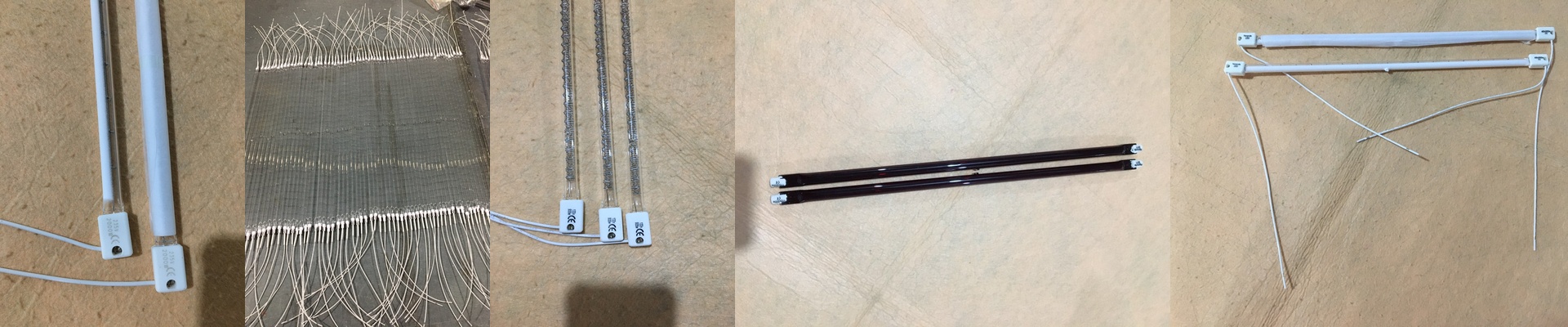
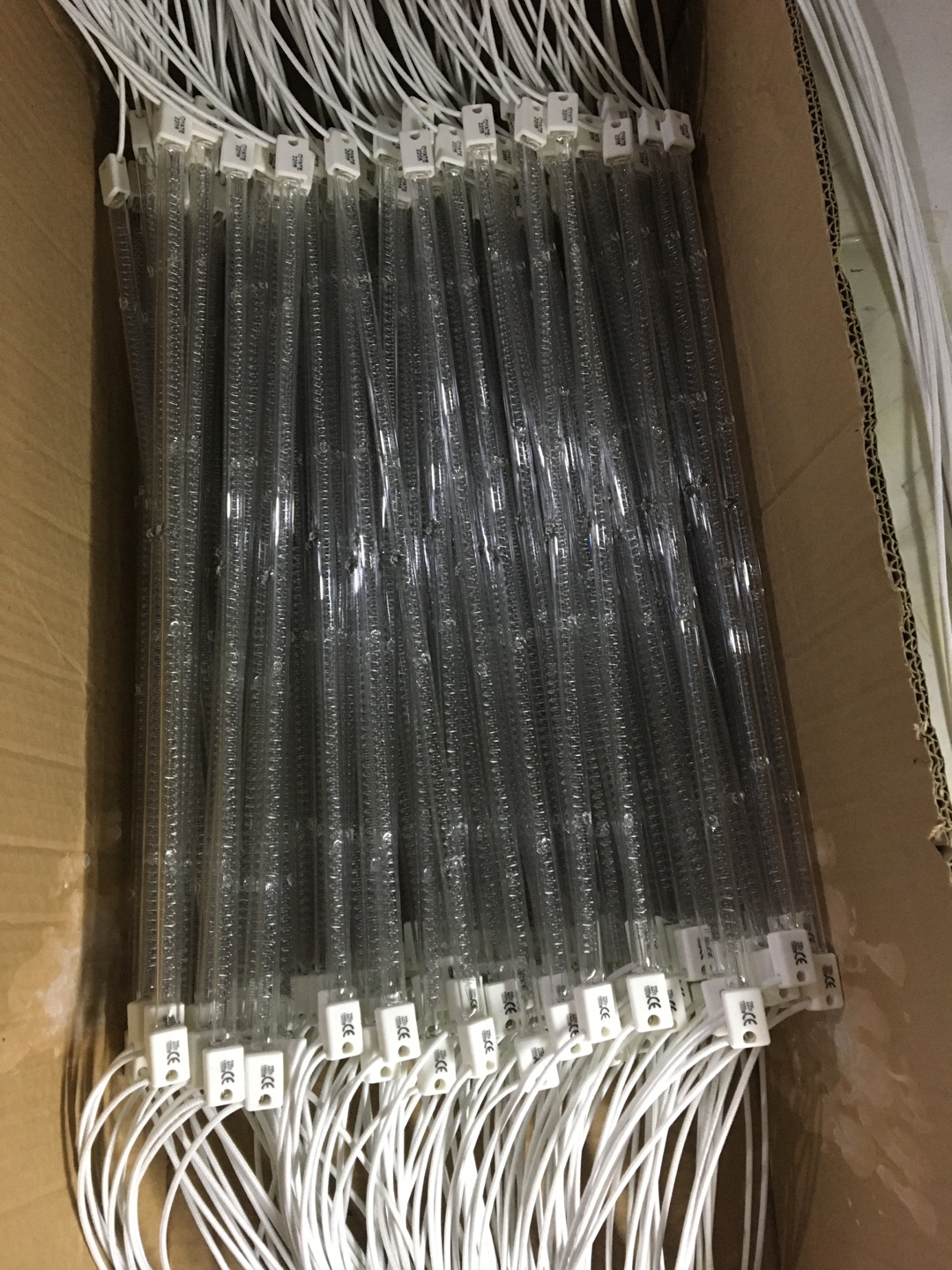
Inside, you’ve got a halogen cycle running within a quartz envelope. That keeps the filament stable even at extreme temperatures and slows down the usual blackening that happens over time. The shortwave infrared output is aimed right where industrial materials absorb it best. So you get faster heating with way less wasted energy. We also coat the quartz to fine-tune the spectrum and keep the element safe from whatever’s floating around in the environment.
Easy Connections, Real-World Use
The R7s connector is simple—just a two-contact ceramic base that handles the heat at the lamp ends. Swapping a unit is fast and tool-free, which is a big win on a busy floor. If you prefer chassis mounting, the Sk15 terminal block lets you wire the heater straight into your machine without extra brackets. Both options are built for the way production teams actually work—quick, clean, and dependable.
Where It Shines
This heater is a go-to for OEM equipment in plastic processing, drying, curing, and pre-heating. The infrared energy hits the target directly, which can shorten cycle times and shrink the space you need for the heating zone.
A Quick Reality Check
Here’s the thing—1200W packed into a small footprint means serious localized heat. Plan for proper clearance, add thermal shielding, and make sure ventilation is sorted. Handle the quartz envelope with clean gloves, and double-check that the voltage matches your supply. A mismatch will burn the unit out early, and nobody wants that headache.