A Smarter Way to Dry Wood Without the Fumes
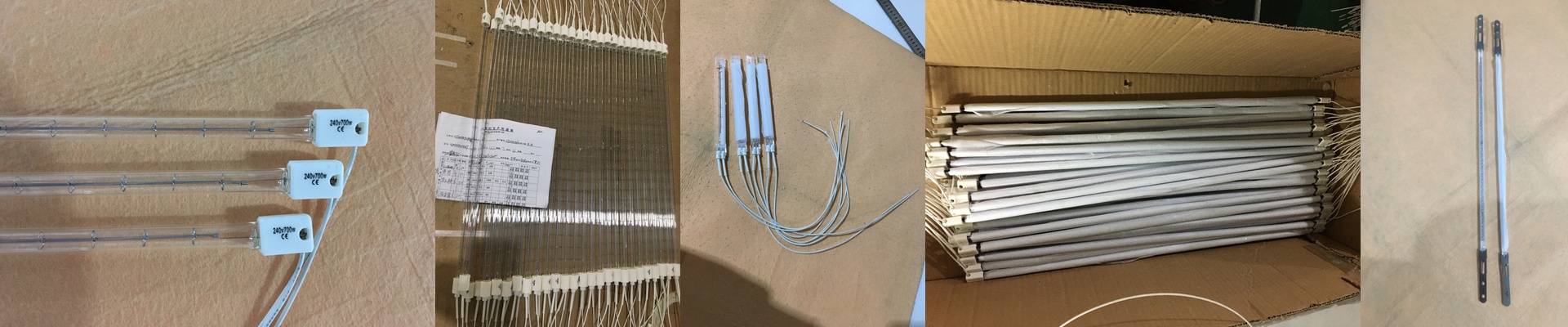
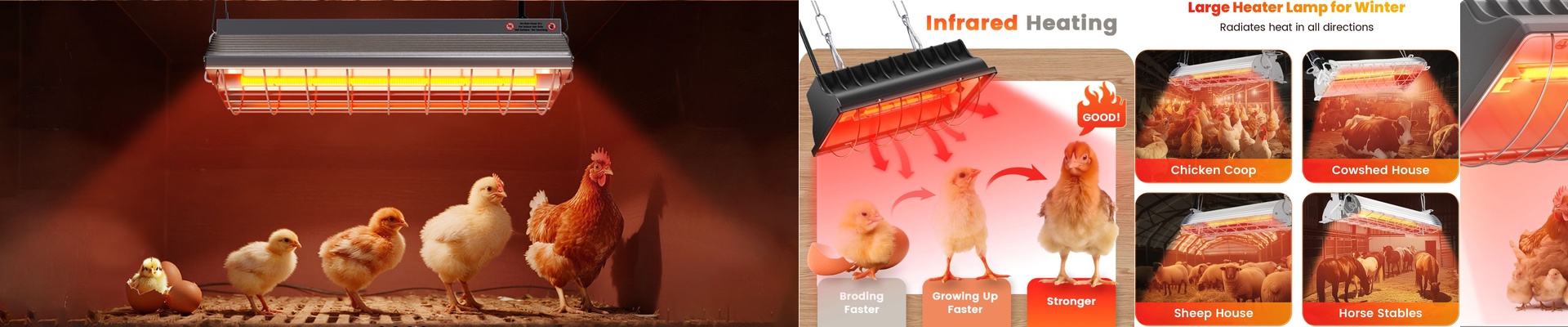
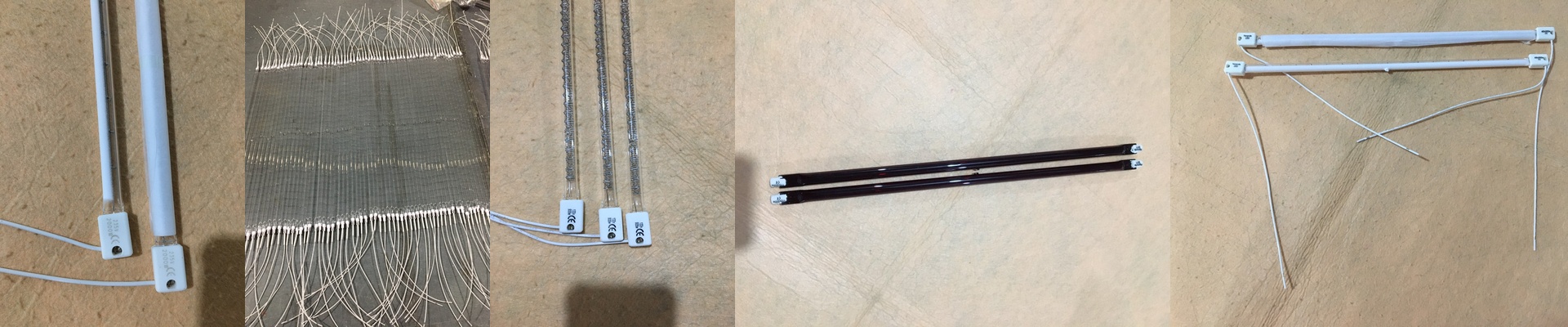
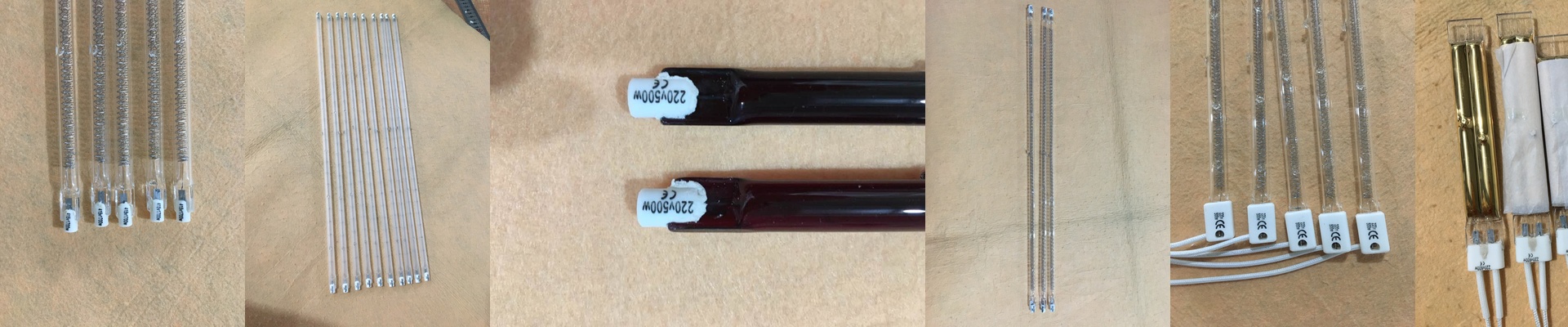
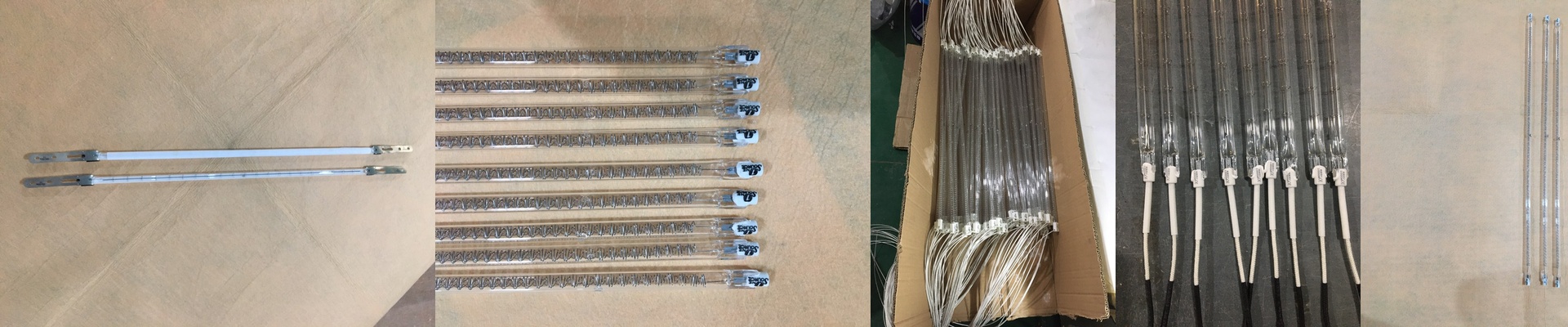
Most wood shops still rely on blasting hot air to dry their coatings. It’s the old way of doing things, and honestly, it’s a pain. You’re basically pushing solvents out of the finish and straight into the air your team breathes, which means you need massive, expensive ventilation systems just to keep the inspectors happy. We do things differently. We use infrared (IR) lamps to flip the script on how heat actually works. Heating from the inside out Here’s the thing: IR lamps don’t waste time heating up the air in the room. Instead, they send energy straight into the wood and the coating. It makes the molecules inside vibrate, creating heat from the core outward. Because the solvent is pushed to the surface so quickly, it evaporates in a flash. You get a bone-dry finish in a fraction of the time it takes a convection oven. Plus, since it happens so fast, those nasty VOCs don’t have time to hang around your shop floor. No more waiting around If you’ve ever used gas burners, you know that annoying “warm-up” lag. It’s a waste of time and money. With IR, you hit full temp in seconds. The second your line stops, you flip the switch and the energy stops. It’s that simple. We usually go with short-wave or medium-wave quartz tubes because they pack a punch. You’re putting the heat exactly where it belongs—on the workpiece—instead of paying to heat your warehouse walls. The reality check Now, I won’t tell you this is a magic wand for every single shop. There are a few things you have to get right. If your coating chemistry isn’t tuned for IR, that sudden spike of heat can cause “solvent pop”—those tiny, annoying bubbles in the finish. You’ve got to find the sweet spot between your lamp wattage and how fast your conveyor is moving. Run it too slow? You’ll scorch the wood. Run it too fast? The core stays wet. And one last tip: check your electrical panel. These lamp banks pull a lot of current the moment they kick on. You don’t want to be the person tripping the breakers every time you start the morning shift.