Stop Fighting Your SIPA Oven: The Secret to Consistent Bottles
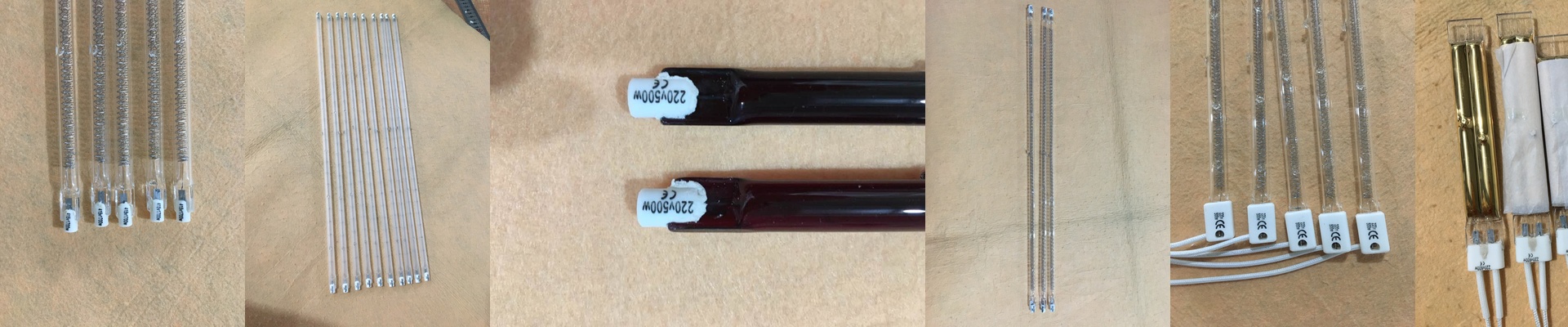
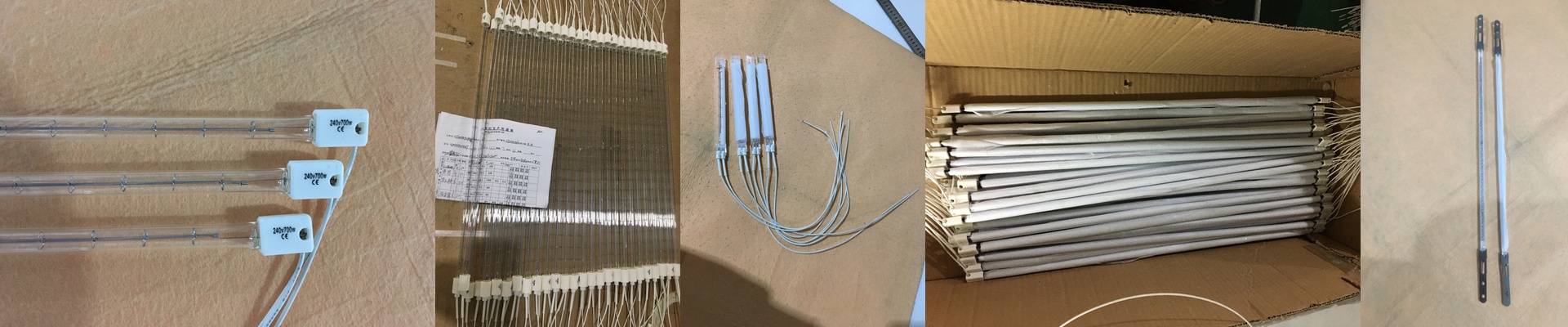
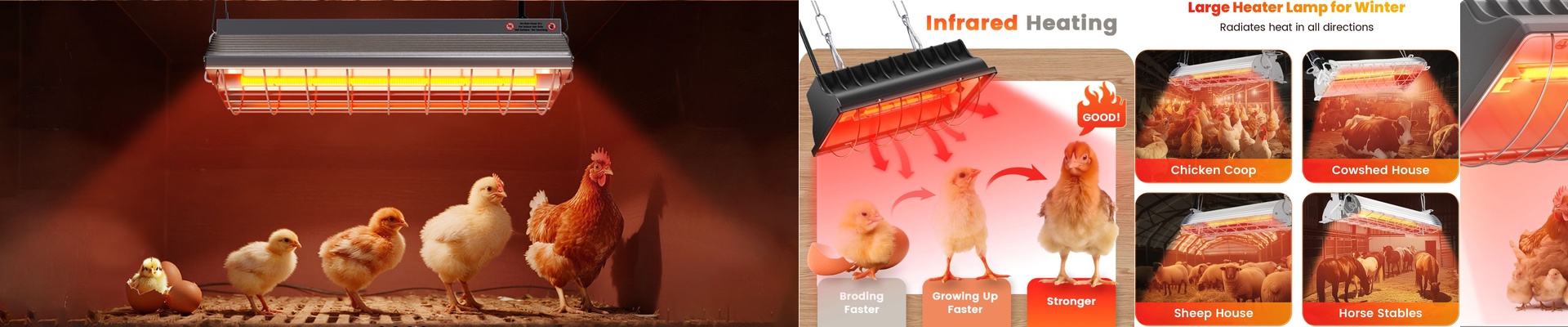
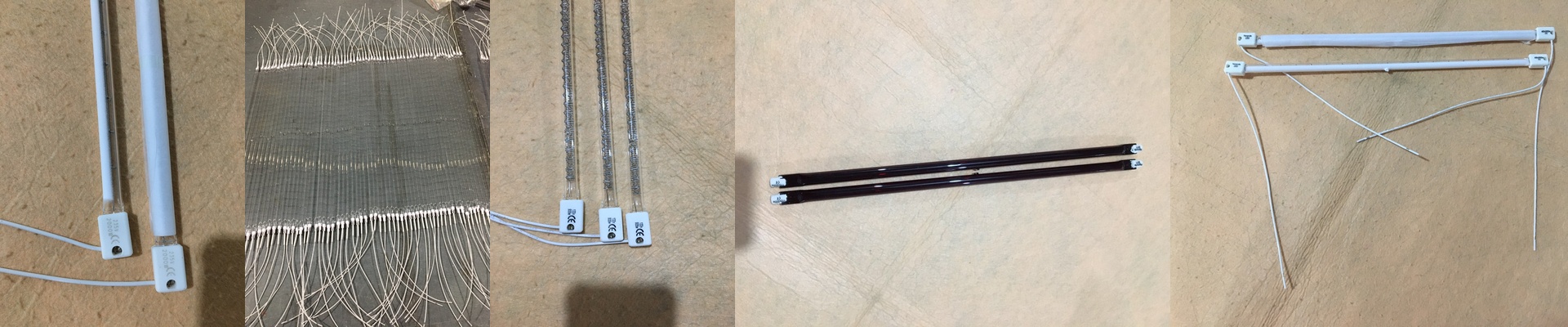
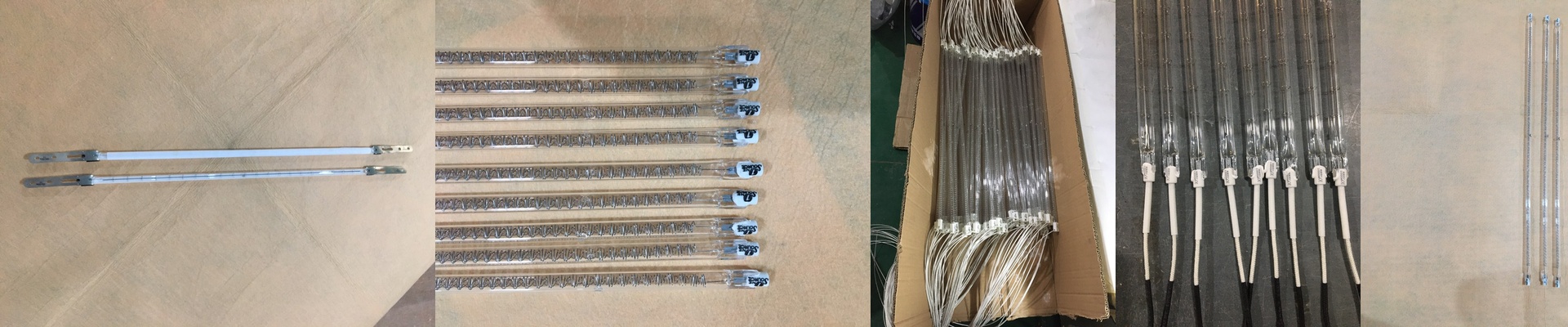
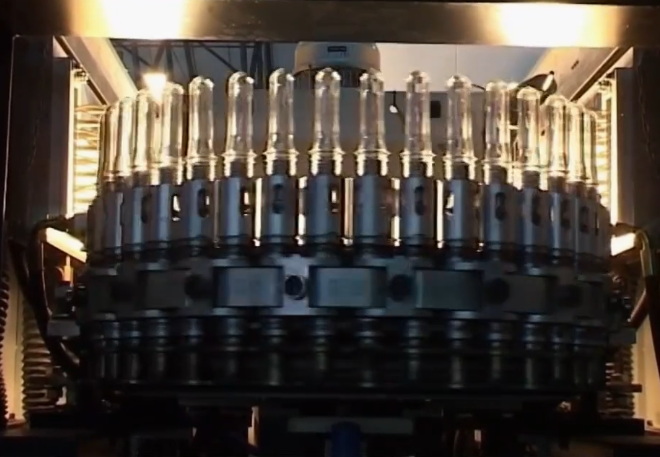
Ever feel like you’re fighting your SIPA rotary machine just to get a decent bottle? You see those wall thickness variations or a weird deformation, and your first instinct is to blame the oven. But here’s the thing: usually, the oven is doing its job. The real culprit is often something much smaller—your infrared lamps. When you mix and match bulbs with different wattages or voltage tolerances, you create “cold spots.” It sounds minor, but it ruins your cycle time and leaves you staring at a pile of rejects. Why “Close Enough” Isn’t Good Enough We focus on 100% power matching because the physics doesn’t lie. If your machine expects a specific wattage and you throw in a bulb that’s off by even 5%, the heat flux shifts. Your PID controller tries to fix it, but it ends up overcompensating. That’s where those annoying temperature swings come from. By sticking to the exact voltage and wattage the SIPA footprint requires, the heat hits the preform evenly. No guesswork. Just a stable, predictable glow. The Nitty-Gritty on the Gear We use high-purity quartz glass and halogen gas to keep the filament temperature steady. And because nobody wants to spend their weekend rewiring a machine, we use standard R7s or SK15 connectors. You just pop them in and you’re back in business. Plus, the coating on the quartz is designed to bounce the heat inward toward the PET. It keeps the energy where it belongs instead of wasting it on the surrounding air. One Quick Warning High-density heat is great for fast cycles, but it’s a bit of a double-edged sword. Pushing for maximum wattage puts more stress on your sockets. If your sockets are old, worn, or oxidized, that extra current can burn them out fast. Do yourself a favor: check your contact points before you wire up a new set of high-power bulbs. It takes two minutes and saves you a massive headache later. When your lamps actually match the machine’s original electrical draw, everything just… works. Your thermal profile stays flat, your reject rate drops, and you can finally stop babysitting the blow molding process.