Getting the Heat Right: Sidel Matrix IR Lamps
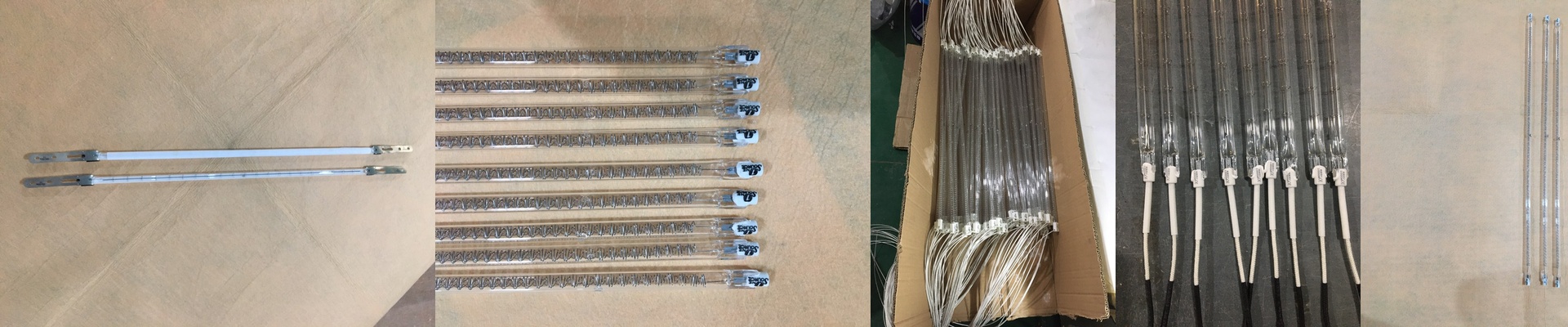
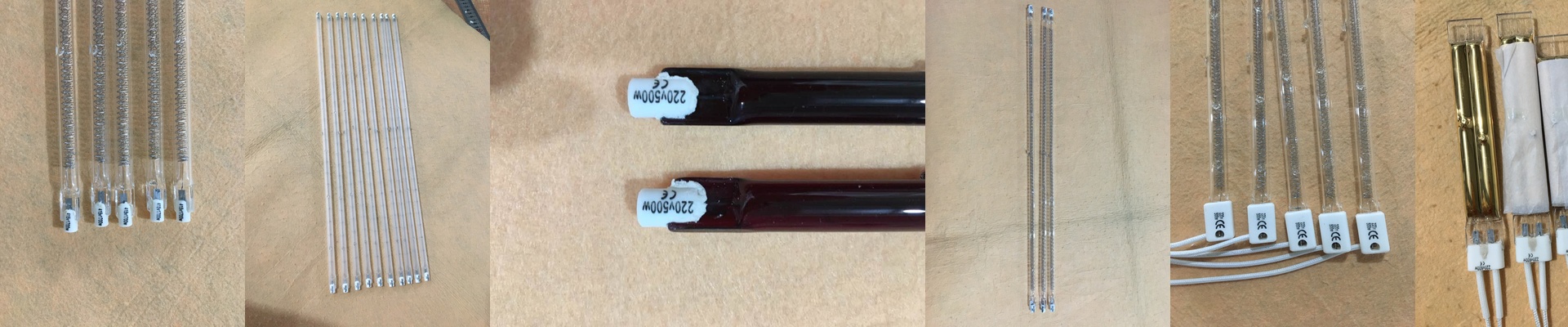
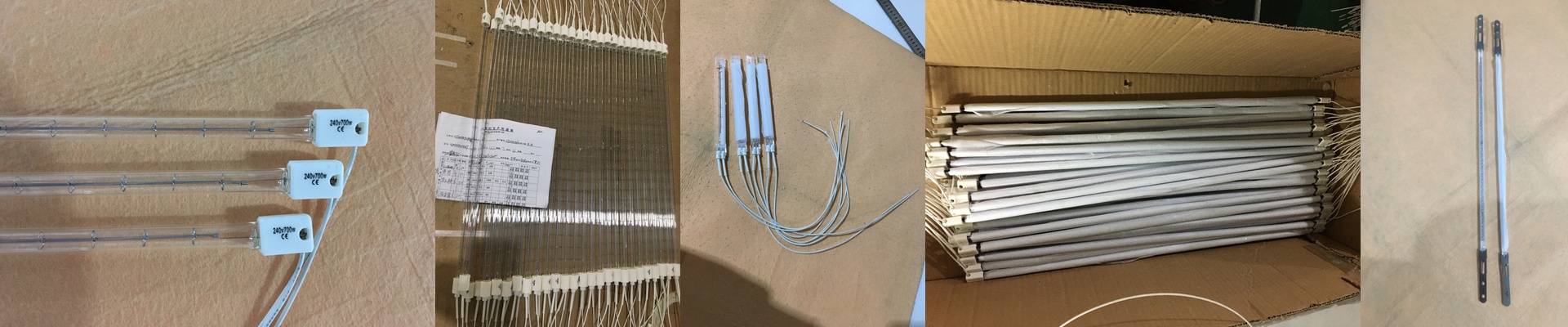
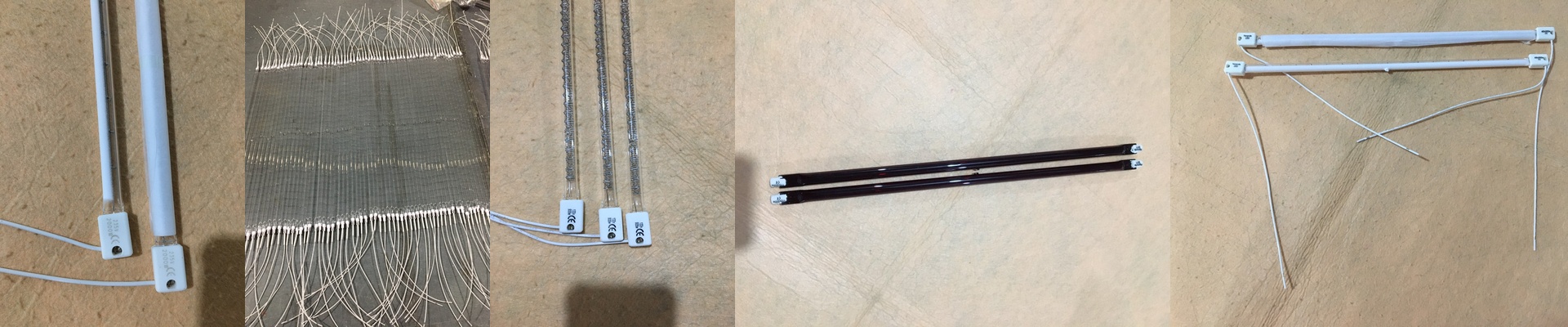
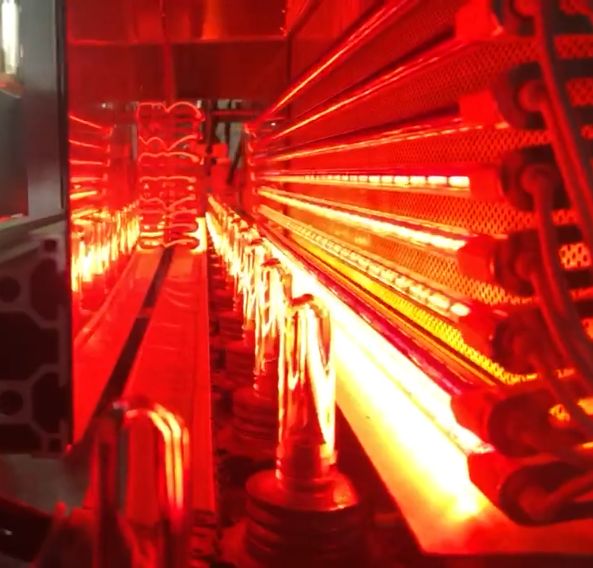
Here is the problem when you swap out OEM lamps in a Sidel Matrix blower: you risk messing up your temperature curve. It sounds like a small detail, but if the heat density is off by even a tiny bit, your preforms won’t heat evenly. That’s how you end up with wonky wall thickness or that annoying pearlescence in your PET bottles. We build our lamps to match the original parameters exactly so you don’t have to deal with that headache. Matching the footprint We don’t just look at the wattage and call it a day. We dig into the voltage and current draw to make sure they mirror what Sidel requires. Why? Because your power supply shouldn’t feel a load imbalance. We also keep the filament geometry and quartz thickness the same as the original. This keeps the emissivity constant, meaning you get that same short-wave IR penetration depth. It’s the reason our temperature curves actually track with the factory specs. The build and the fit Our tubes are made from high-purity quartz. They have to be; they’re taking a beating with the rapid thermal cycling of a blowing machine. As for the install? It’s a drop-in replacement. We use standard industrial connectors, so you won’t be messing around with your wiring. One thing we obsess over is the filament centering. If a filament is shifted by just a millimeter, the heat hits the preform surface unevenly. We keep those tolerances tight because that’s where the quality happens. A quick reality check High-density IR lamps push out a massive amount of heat. That’s great for faster cycle times, but it puts a lot of stress on your reflectors. Here is the thing: if your reflectors are pitted or oxidized, even a perfect lamp won’t hit the target temp. You’ve got to keep those mirrors clean to actually get what you paid for. I always suggest checking your reflector integrity every time you change a lamp. It beats wasting the output of a brand-new tube.