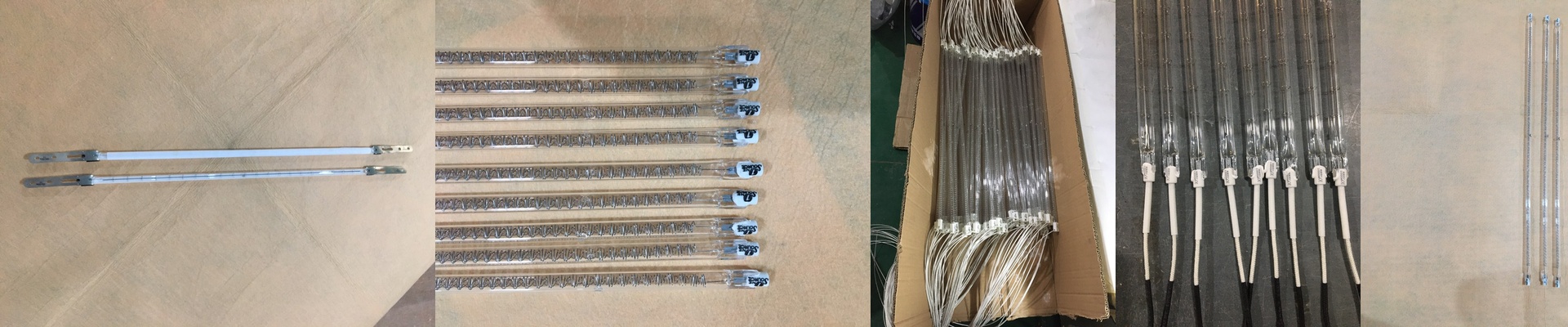
Getting Your SIPA SFR 16 Lamps Right
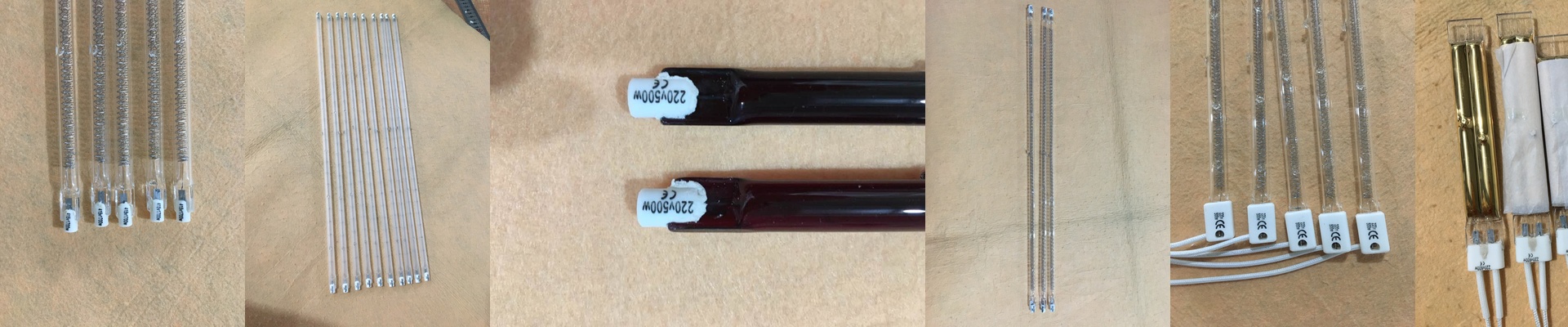
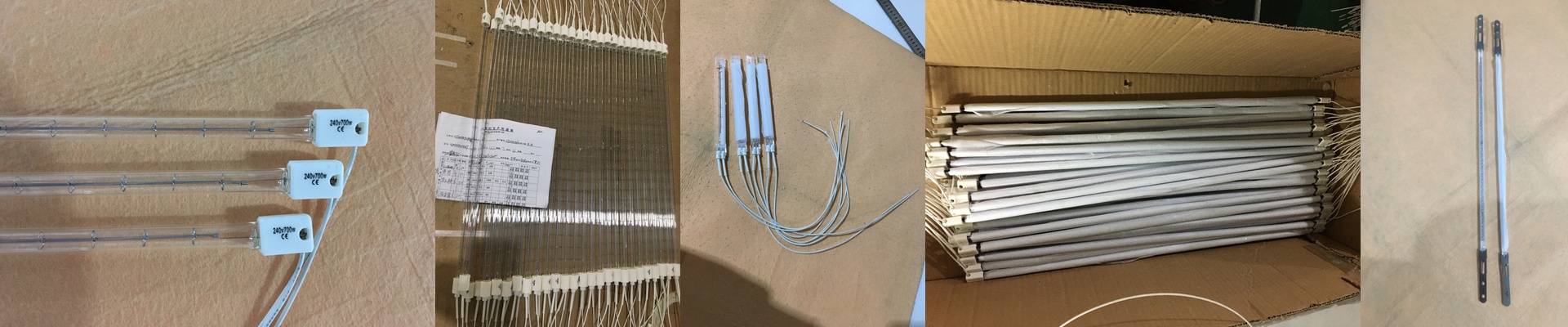
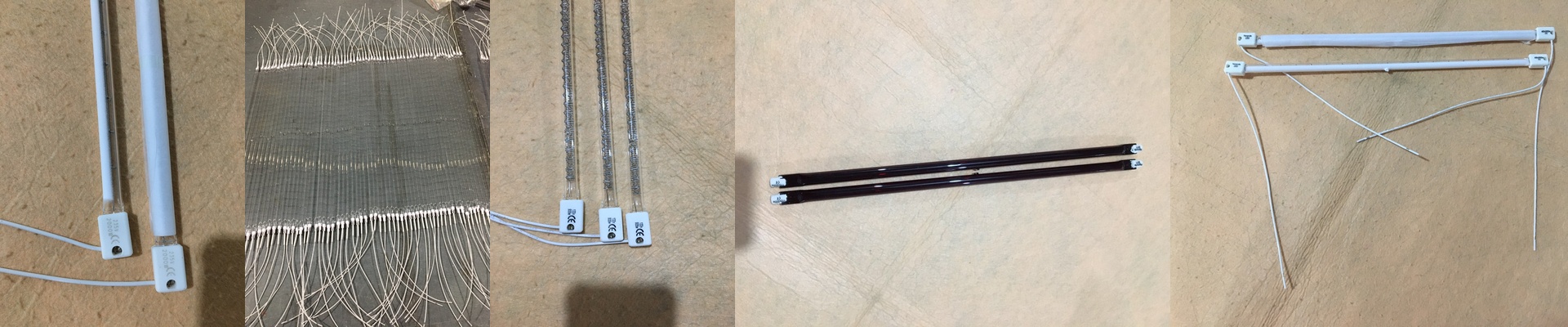
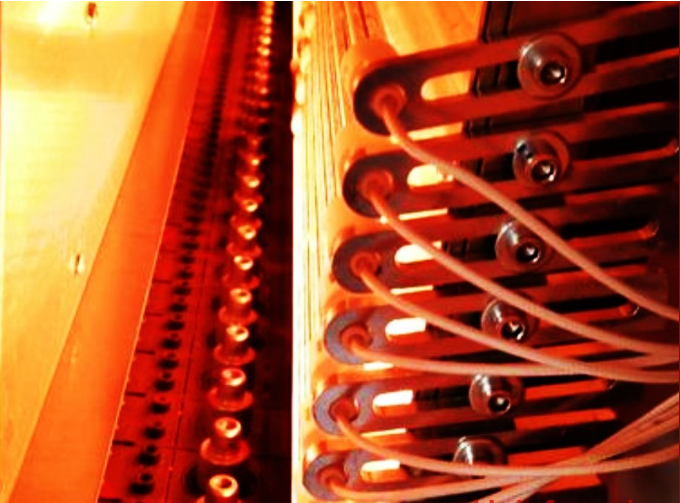
If you’ve ever run a PET blowing line, you know the headache of heating elements. It’s a finicky balance. If the wattage or voltage is even slightly off, you’re looking at uneven preheating. That’s how you end up with thin walls or, worse, bottles bursting right on the line. We build our infrared lamps specifically for the SIPA SFR 16 rotary system so you can just swap them in and get back to work. The deal with power and voltage The SFR 16 needs short-wave infrared radiation to get those preforms hot, and it needs to happen fast. We make sure our lamps hit the exact voltage and wattage your rotary oven expects. But here is the thing: you’ve got to check your power supplies. If the load doesn’t match, you’re either going to under-heat the plastic or fry the filament way too early. It’s a simple check that saves a lot of grief. Built to last (and fit) We use high-purity quartz glass because these things take a beating from rapid thermal cycling. Most of our lamps use standard R7s or Sk15 connectors. That means they’re a true drop-in replacement. No rewiring the oven. No hacking away at the lamp holders. Just plug and play. Plus, we use a halogen gas fill to keep the filament strong, so the lamps don’t give up the ghost the moment they hit high temperatures. Real-world installation tips Our lamps fit about 95% of the blowing machines out there because we stick to the industry standards. But a heads-up: high-output lamps get hot. Really hot. If your cooling fans are clogged with dust or your ventilation is acting up, the housing will overheat. That kills the quartz envelope faster than anything else. And please, keep your reflectors clean. A dirty reflector is a silent killer. It tanks your efficiency, which forces the lamps to run even hotter to keep up. That’s a one-way ticket to a premature failure.