Let’s Talk About Piglet Heat Bulbs
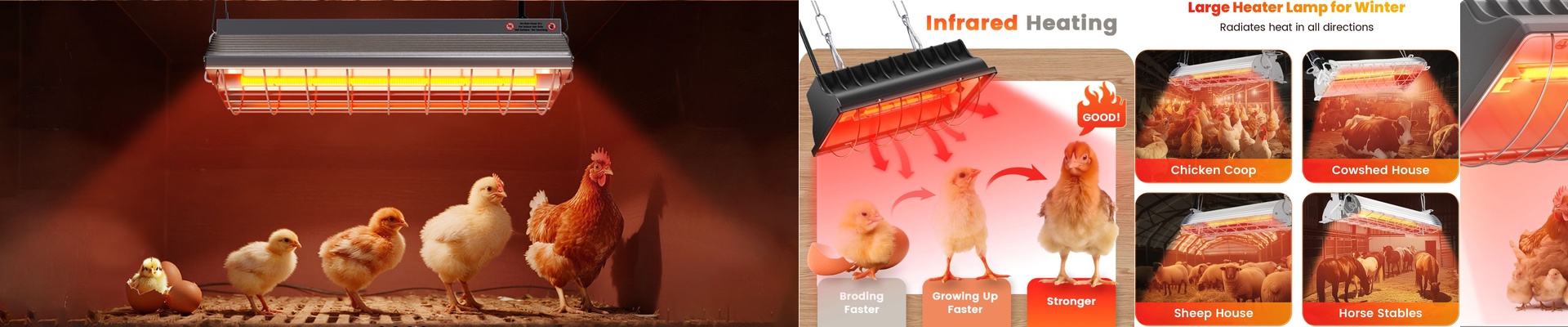
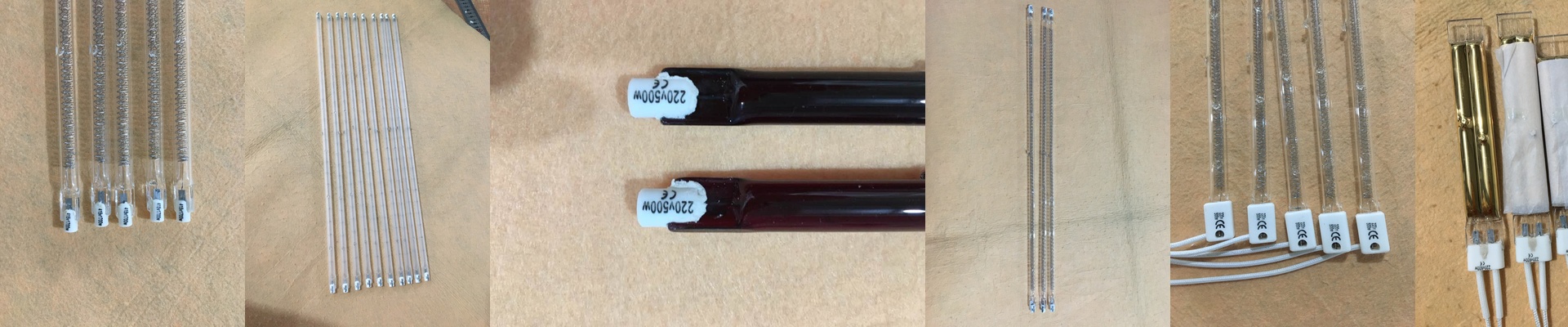
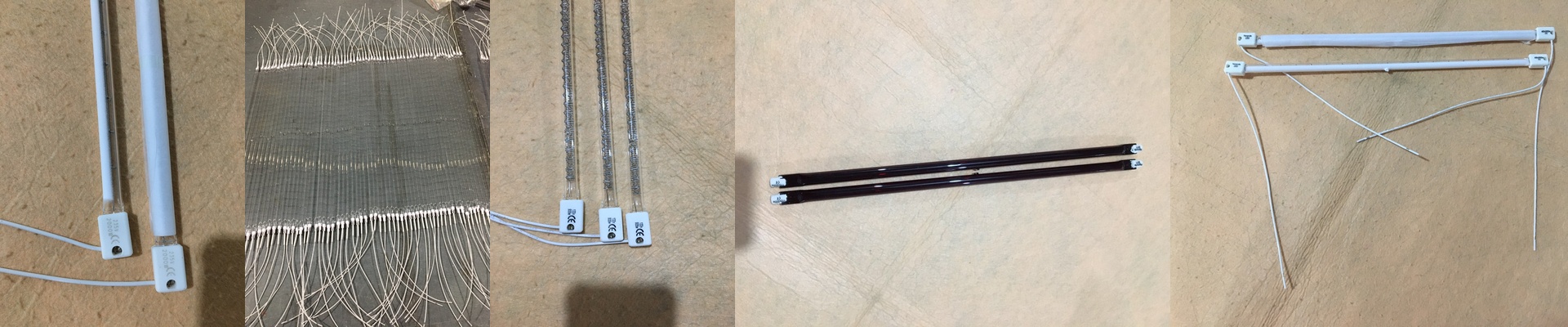
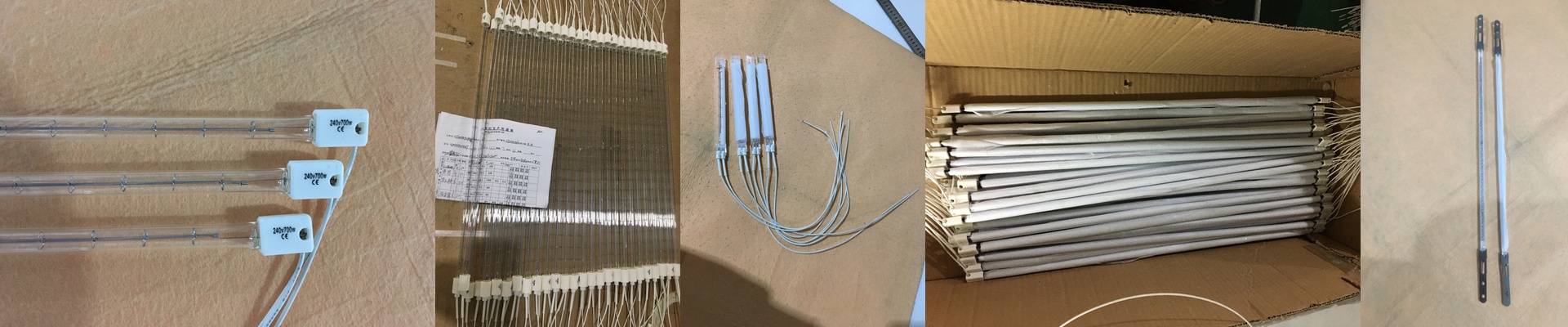
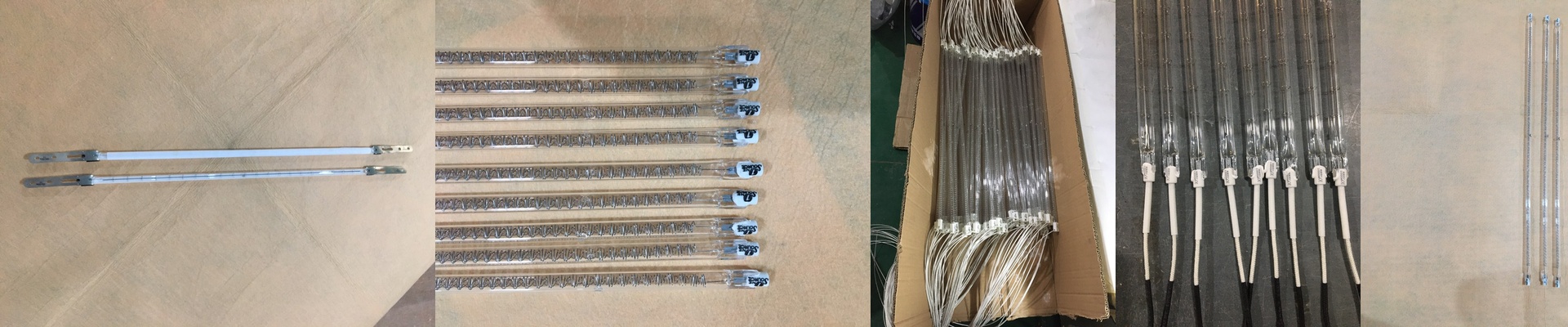
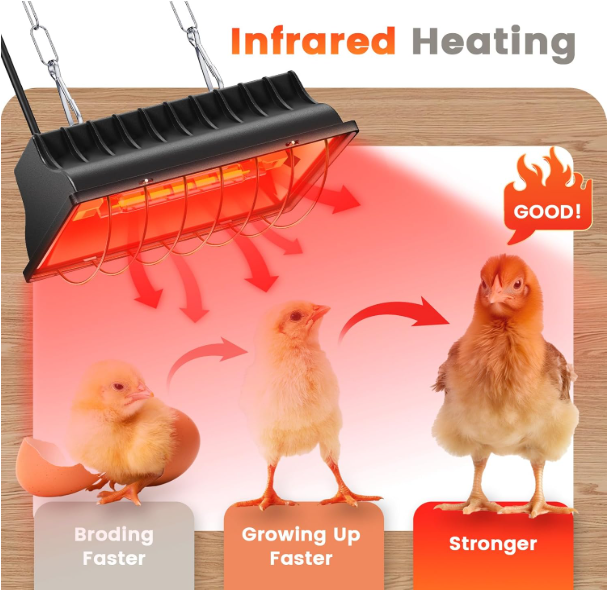
Keeping piglets warm is a balancing act. You need a bulb that puts out serious heat but doesn’t just burn out the moment things get messy. We looked at why most replacement bulbs fail and realized it usually comes down to two things: the wires and the seals. So, we fixed them. The wiring problem If you’ve spent any time in a barn, you know the smell of ammonia. It’s tough on everything, especially copper wiring. Most standard bulbs use basic insulation that just can’t handle the moisture and the constant heating and cooling. They crack, they oxidize, and then—pop—the connection burns out at the terminal. We swapped those out for high-grade, corrosion-resistant conductors. They’re flexible and tough. Plus, we made sure the gauge matches the big-name brands, so you can just pop these into your current fixtures without any fuss. The seal Here’s the thing about halogen bulbs: the vacuum seal is everything. If there’s even a tiny leak, the filament oxidizes and the bulb dies way too early. It’s a frustrating cycle, especially with cheap bulk bulbs. We changed the way we seal them, using a process that mirrors the heavy-duty industrial stuff. It keeps the internal pressure steady and the gas where it belongs. It sounds like a small detail, but it’s the difference between a bulb that lasts and one you’re replacing every other week. A quick tip on installation These bulbs put out a lot of concentrated heat. That’s great for the piglets, but it can be hard on your equipment. Make sure your housing is vented well. If things are too tight, the heat builds up and stresses your sockets. And do yourself a favor: check your socket tension every six months. A loose connection creates arcs, and those will fry even the toughest wires. We focused on the gritty parts of the job. Better seals and tougher wires just mean you spend less time on a ladder changing bulbs and more time actually running your farm.