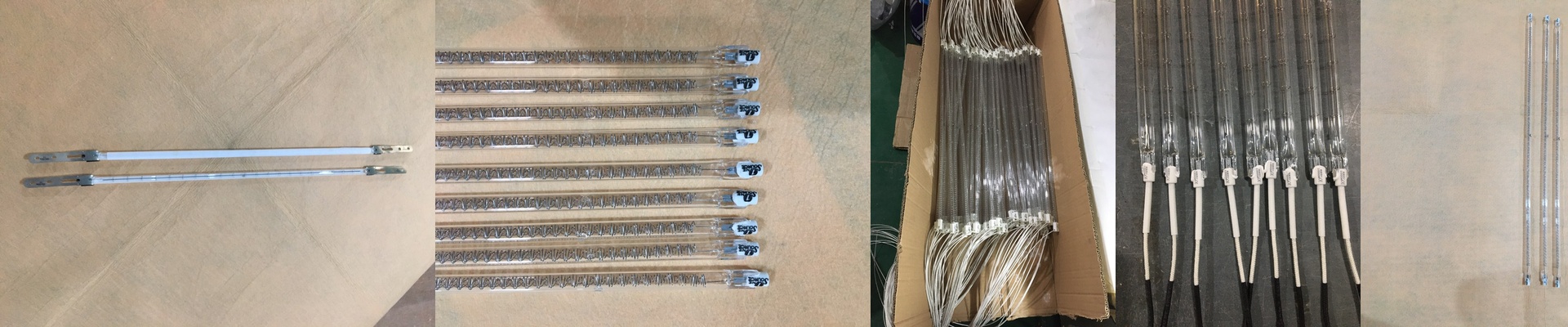
Let’s Talk Halogen Shortwave Dryers
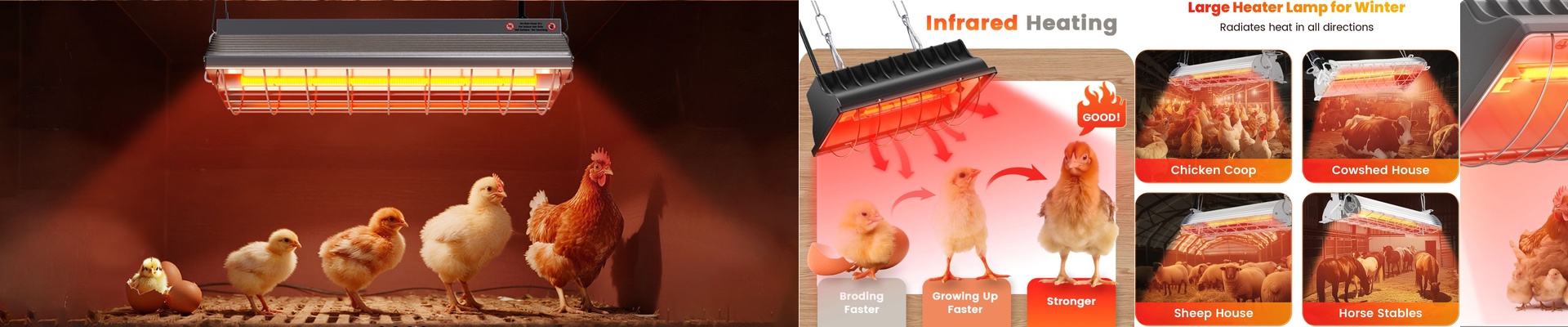
Here is the deal with halogen heat lamps: they use shortwave infrared radiation. In plain English? They shoot energy straight into your part without wasting time heating up the air around it. If you need to kill moisture or hit a fast cure cycle on an industrial line, this is usually the way to go.
Getting the Power Right
When you’re picking out a dryer, it all comes down to voltage and wattage. That’s what gives you your heat flux. If you’re working with materials that have a lot of thermal mass, you’ll want high-wattage tubes packed into a short length. That creates the kind of intense heat you actually need. But be careful with your power supply. Stick to the rated voltage—usually 220V or 400V. If you push the filament too hard, you’ll burn the lamp out way too soon. On the flip side, if you under-power it, you’ll never hit the surface temperature needed for a proper cure.It’s a balancing act.
The Build: Quartz and Plugs
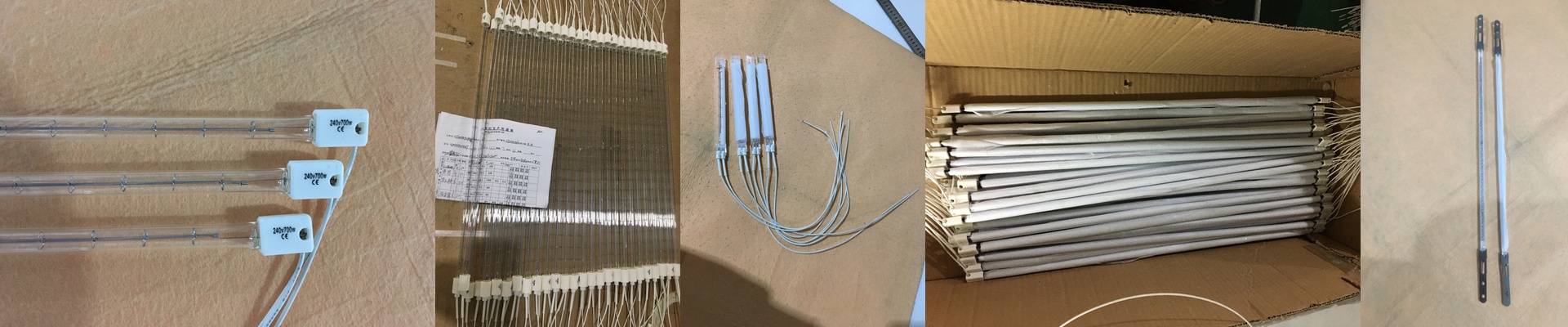
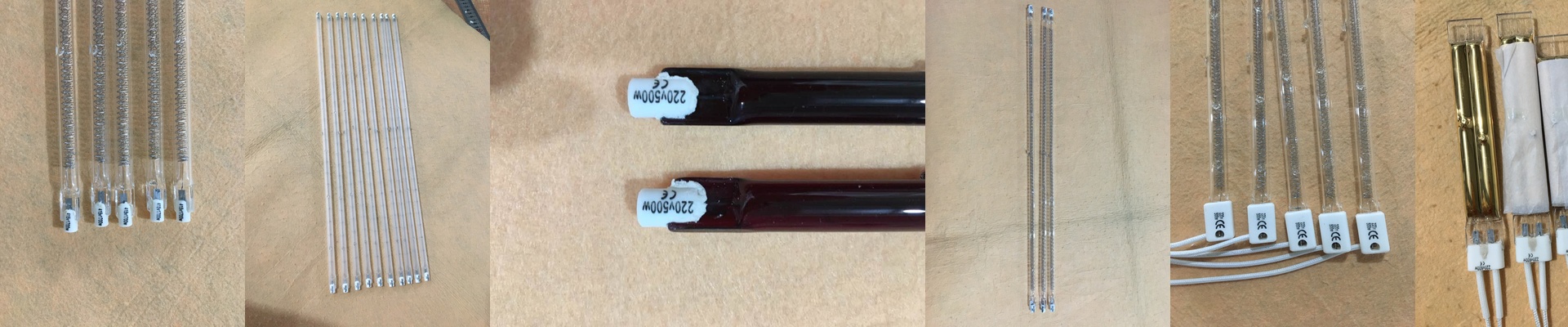
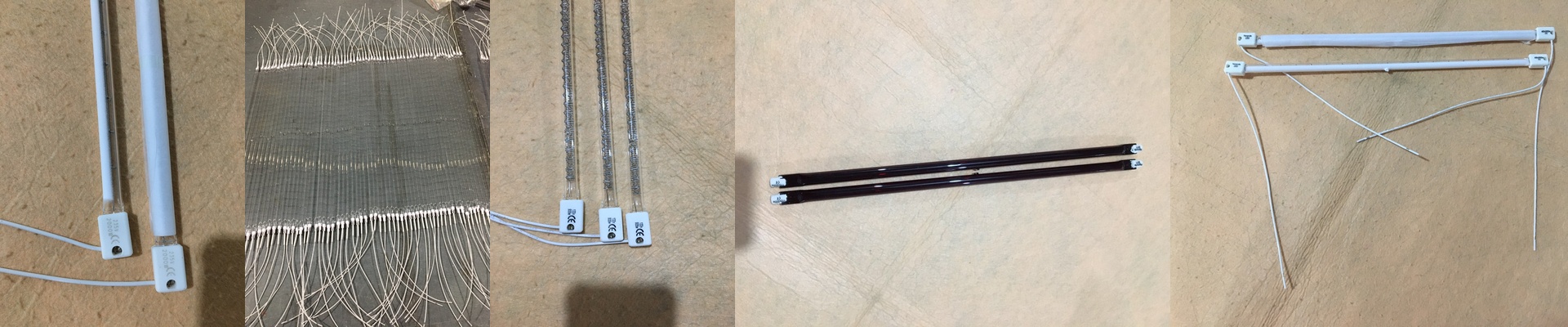
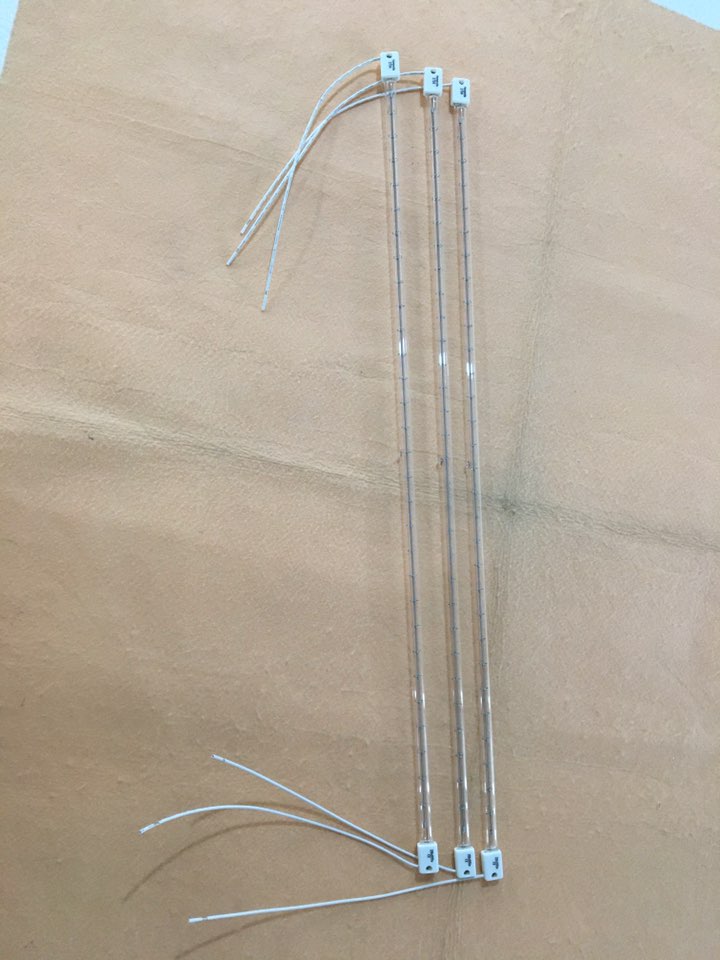
We house the tungsten filament in high-purity quartz glass. Why? Because quartz can take the hit of rapid heating and cooling without cracking. Some of our lamps even have a special coating. This shifts the emission spectrum so the heat actually sinks into the material instead of just scorching the top layer. As for the plugs, we use R7s or Sk15 connectors. They’re basically drop-in replacements for most industrial housings. They fit tight, which is exactly what you want—it stops arcing at the terminals when you’re running high current.
The Trade-offs
These lamps heat up almost instantly. It’s impressive. But that intensity can be a double-edged sword. If your conveyor speed isn’t dialed in just right, you risk warping your substrate. You also have to keep an eye on your cooling system. If the housing gets too hot, your wiring will start to degrade. And a quick tip: make sure your PID controllers are tuned for shortwave response times. Otherwise, you’ll overshoot your target temperature before the system even realizes it’s too hot.