Why Your Piglet Heat Lamps Actually Stop Working
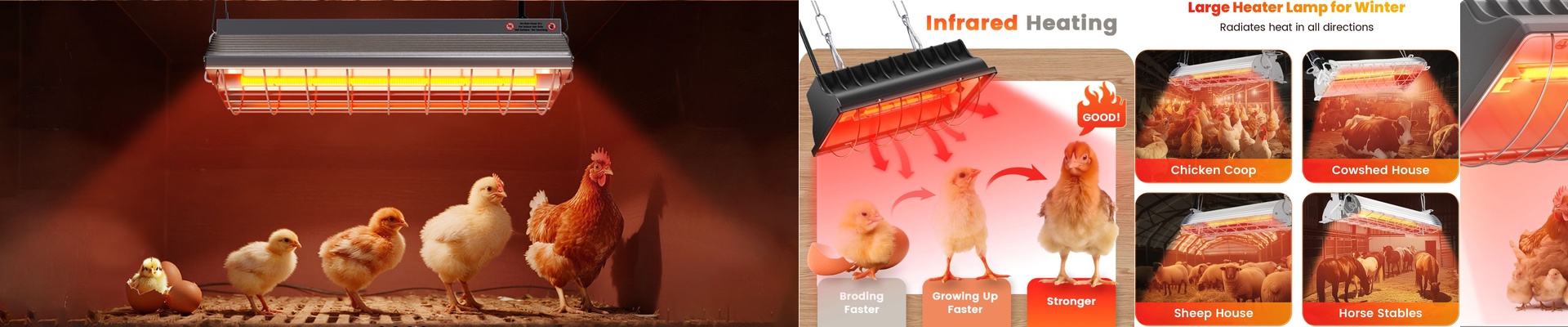
If you’ve ever bought cheap import lamps, you know the drill. They claim they’ll last forever, but after a few weeks, you notice the piglets are huddling closer together. They’re cold. The lamp is still “on,” but it’s not actually heating. That’s called luminous decay. Basically, the heat just fades away. We decided to fix that. Our goal was simple: build a lamp that puts out the same amount of heat on hour 5,000 as it did on minute one.
The science of the “cloudy” bulb
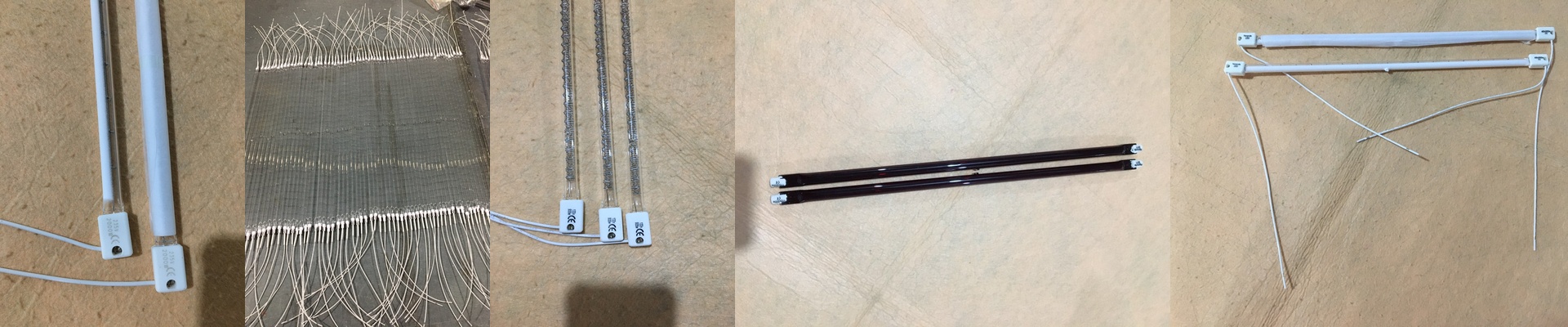
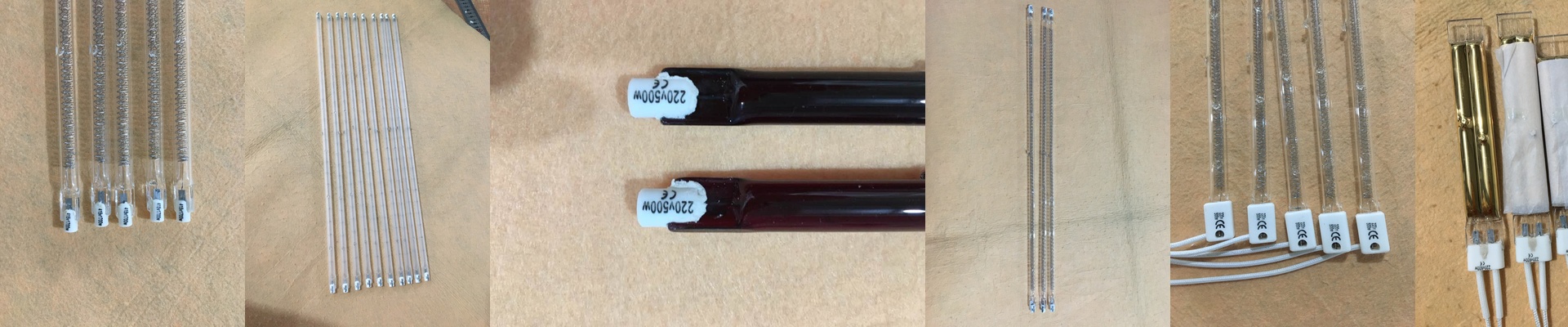
Here is what’s actually happening inside the glass. The tungsten filament inside the bulb slowly evaporates. That vapor settles on the inside of the quartz, creating a dark, cloudy film. Think of it like a dirty window—the heat simply can’t get through. To stop this, we use a specific halogen gas mix. It acts like a little vacuum, pushing those tungsten atoms back into the filament where they belong. But there’s a catch. If that gas mix is even slightly off, the bulb clouds over and your heat density tanks. We spent a lot of time getting the chemistry right so you don’t have to worry about your piglets getting a chill in the middle of the night.
Built to actually last
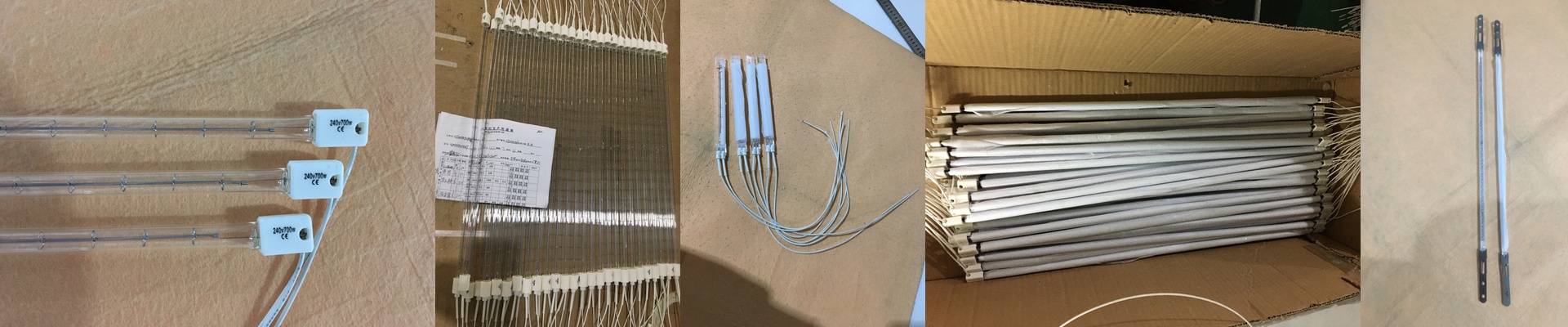
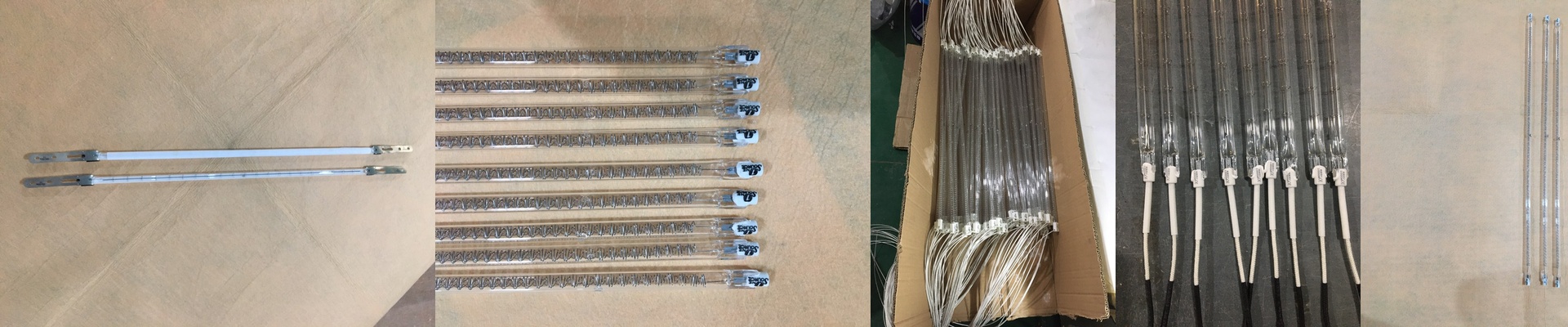
We use high-purity quartz because it can handle being turned on and off without cracking. The real nightmare, though, is the seal. If there’s even a tiny leak, the halogen gas escapes and the lamp pops instantly. It’s frustrating. That’s why we tightened our vacuum tolerances. We wanted that 5,000-hour lifespan to be a reality, not just a number on a spec sheet. Plus, we tweaked the shape of the filament. Instead of creating one dangerous “hot spot” in the center that could burn a piglet, the heat spreads out evenly across the whole creep area.
A quick warning on your sockets
One thing to keep in mind: these lamps put out a lot of power. If you plug a high-output lamp into a cheap, plastic socket that isn’t rated for the wattage, the socket will melt long before the bulb ever burns out. It’s a mess and it’s dangerous. Check your housings. Make sure they can handle the heat and keep some air flowing around the fixture. Your equipment will last longer, and your barn stays safer.