Getting Your Sidel SBO and Matrix Heating Just Right
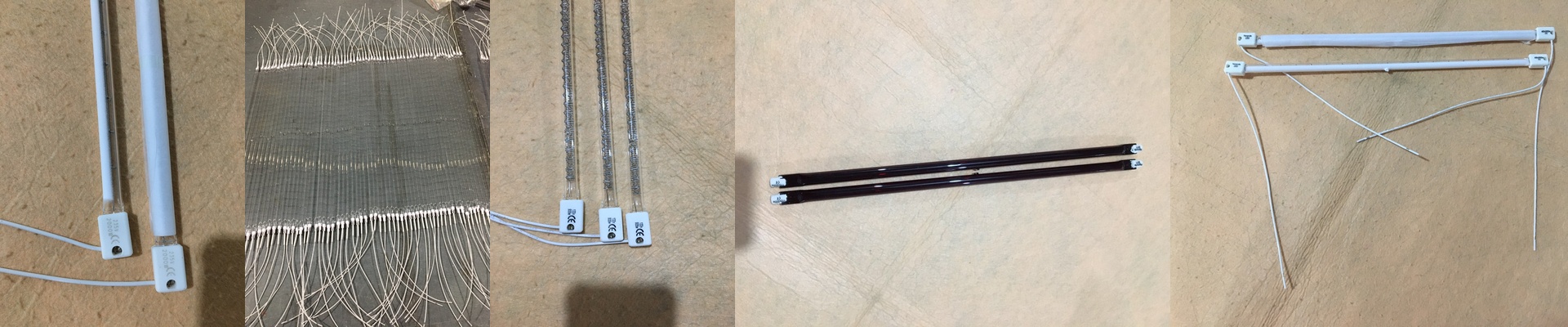
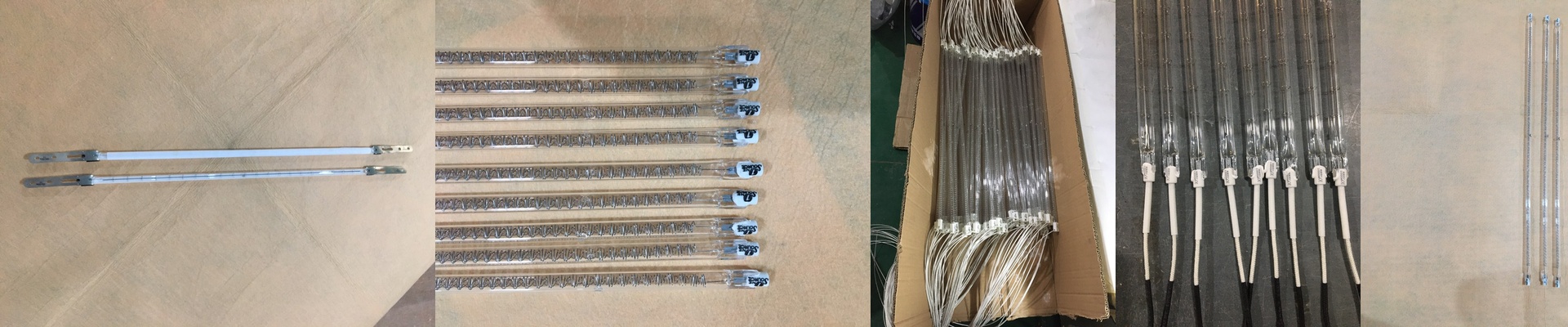
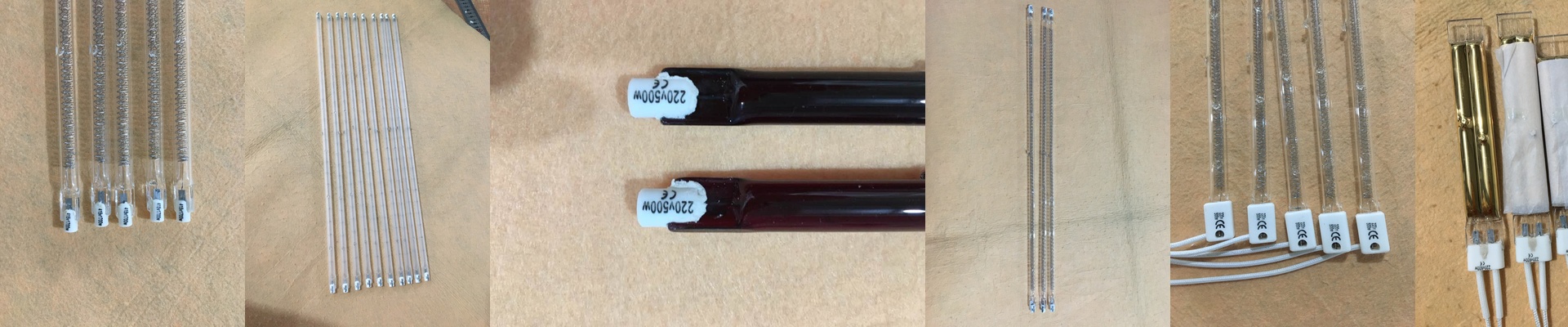
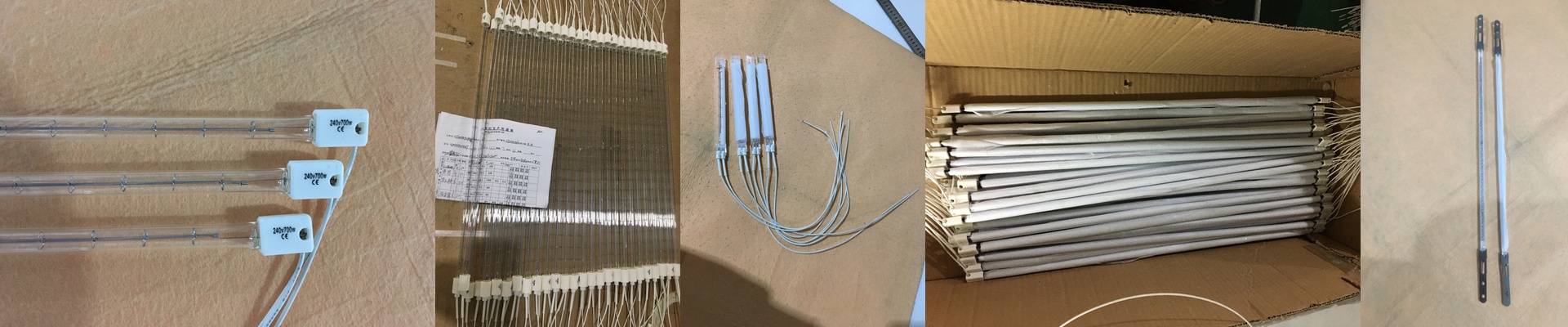
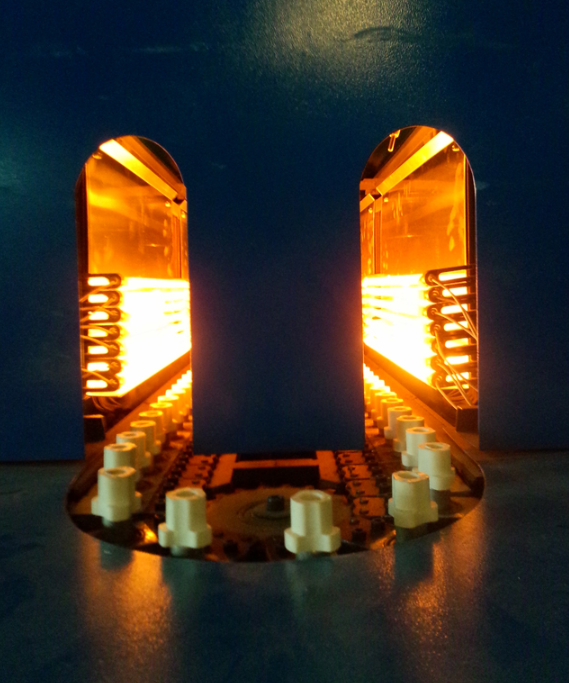
If you’ve spent any time around PET blowing, you know the struggle. You need the core of that preform to hit the glass transition temperature perfectly, but if you overdo it, you’ll scorch the outer wall. It’s a delicate balance. That’s why we make our lamps the way we do. We build them specifically for Sidel SBO and Matrix footprints, factory-direct, so you aren’t guessing if they’ll fit. The Voltage Trap Here is the thing: moving from an old-school SBO to a newer Matrix changes the whole heat game. We don’t just send you a “generic” bulb. We match the exact wattage and voltage for your specific machine generation. Why? Because if you put a high-output Matrix lamp into a system with an undersized transformer, you’re going to fry your circuit. It’s a quick way to turn a simple maintenance task into a total nightmare. We make sure the power specs align so you don’t have to worry about current spikes. Built to Take a Beating We use heavy-wall quartz glass. This isn’t some fragile piece of equipment; it’s designed to handle the thermal shock of rapid cycling without cracking. We also obsess over the filaments. They’re centered within a fraction of a millimeter. It sounds like overkill, but it’s the only way to keep the heat profile consistent across the preform. Plus, we use standard R7s and SK15 connectors. That means you just plug them in. No adapters. No “creative” wiring. No rigging things together with hope and a prayer. Swap and Go These are true drop-in replacements. The length and pin spacing are spot on, so you won’t be spending your downtime fighting with mechanical adjustments. You just swap them out and get the line moving again. One quick tip: shortwave IR lamps are fast, but they’re hot. Really hot. They put a lot of pressure on your oven’s ventilation. If your cooling blowers are clogged with dust or just dying, the oven housing will overheat, and your lamps won’t last nearly as long as they should. Keep that airflow clean. We handle the physics of the heat transfer. You just handle the swap during your scheduled stop and get back to production.