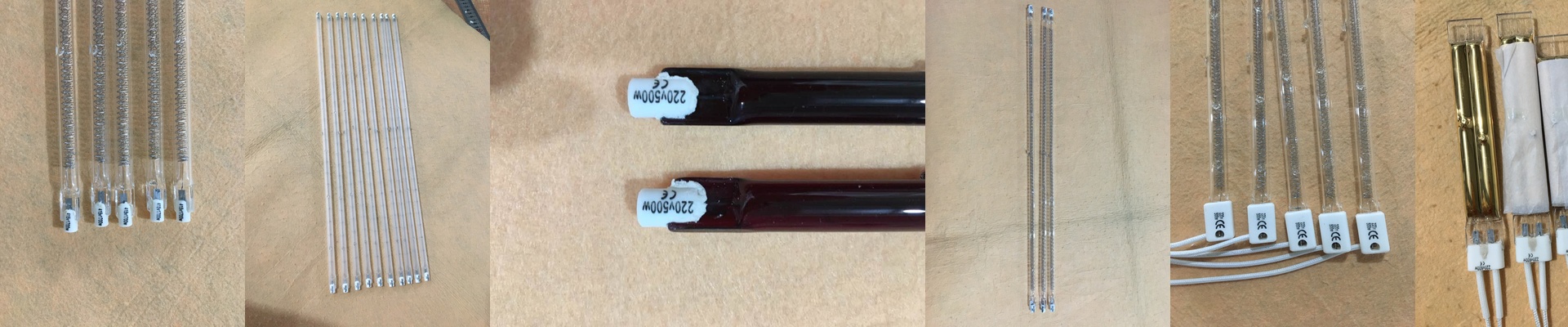
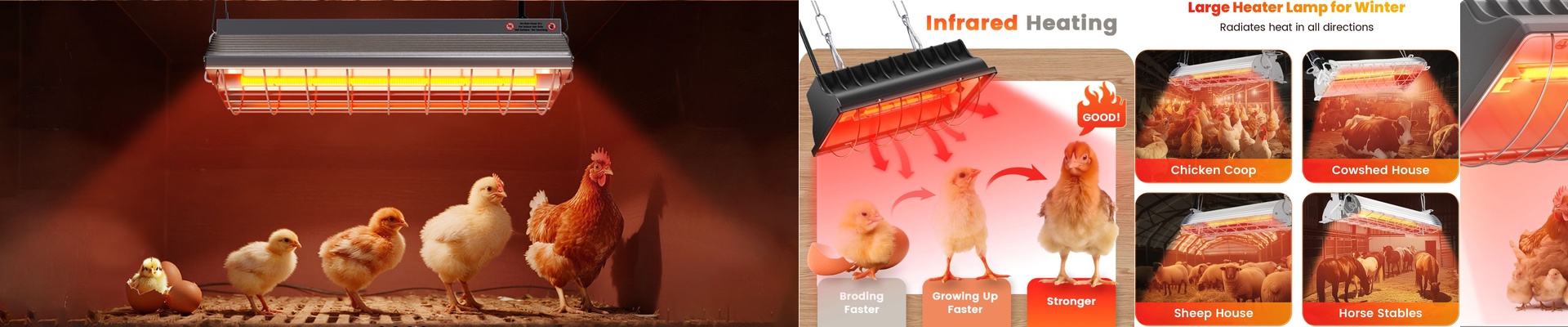
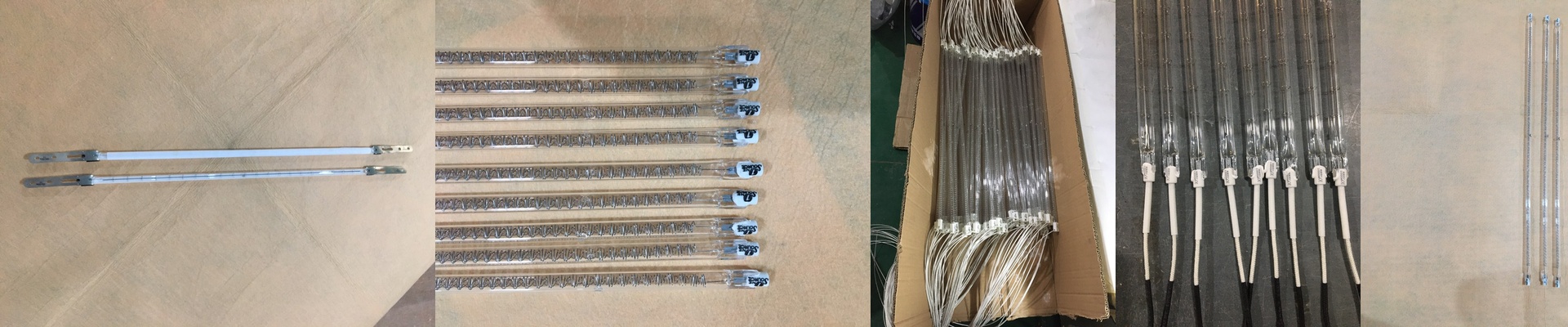
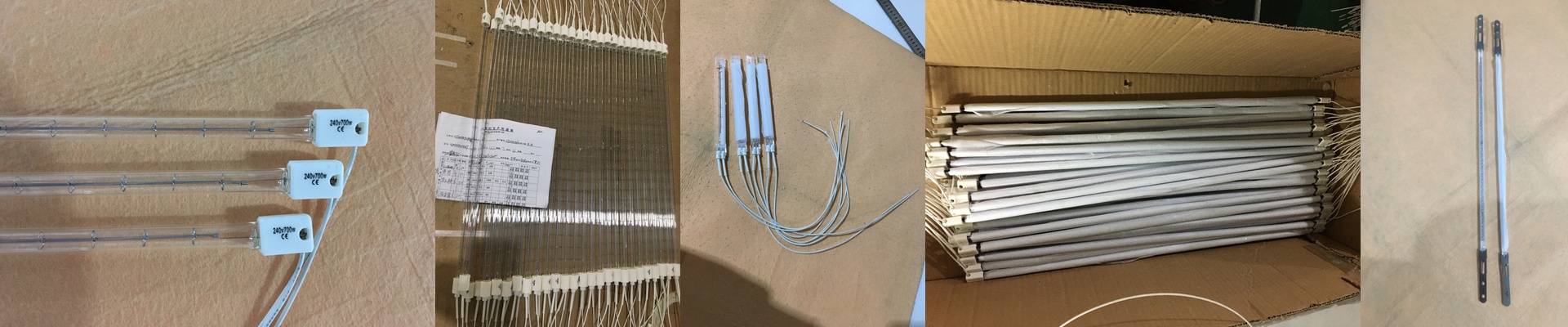
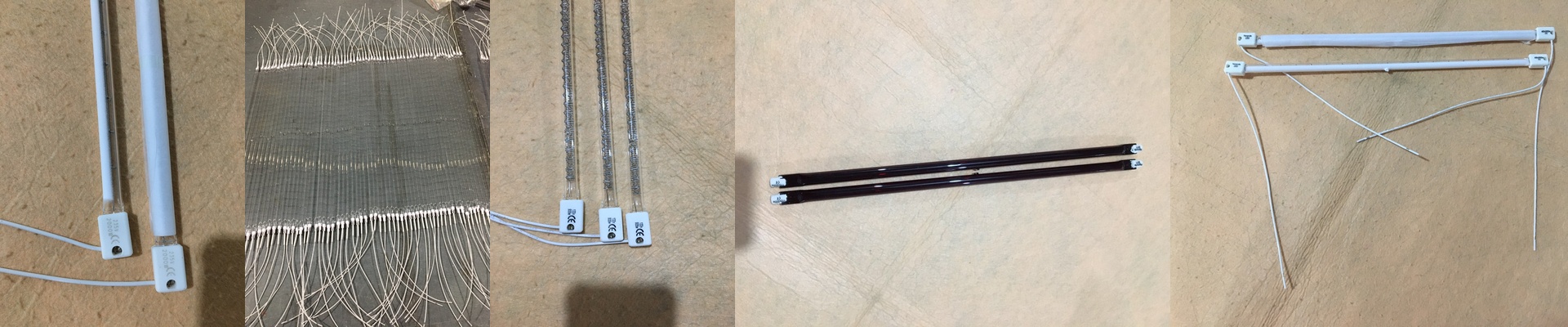
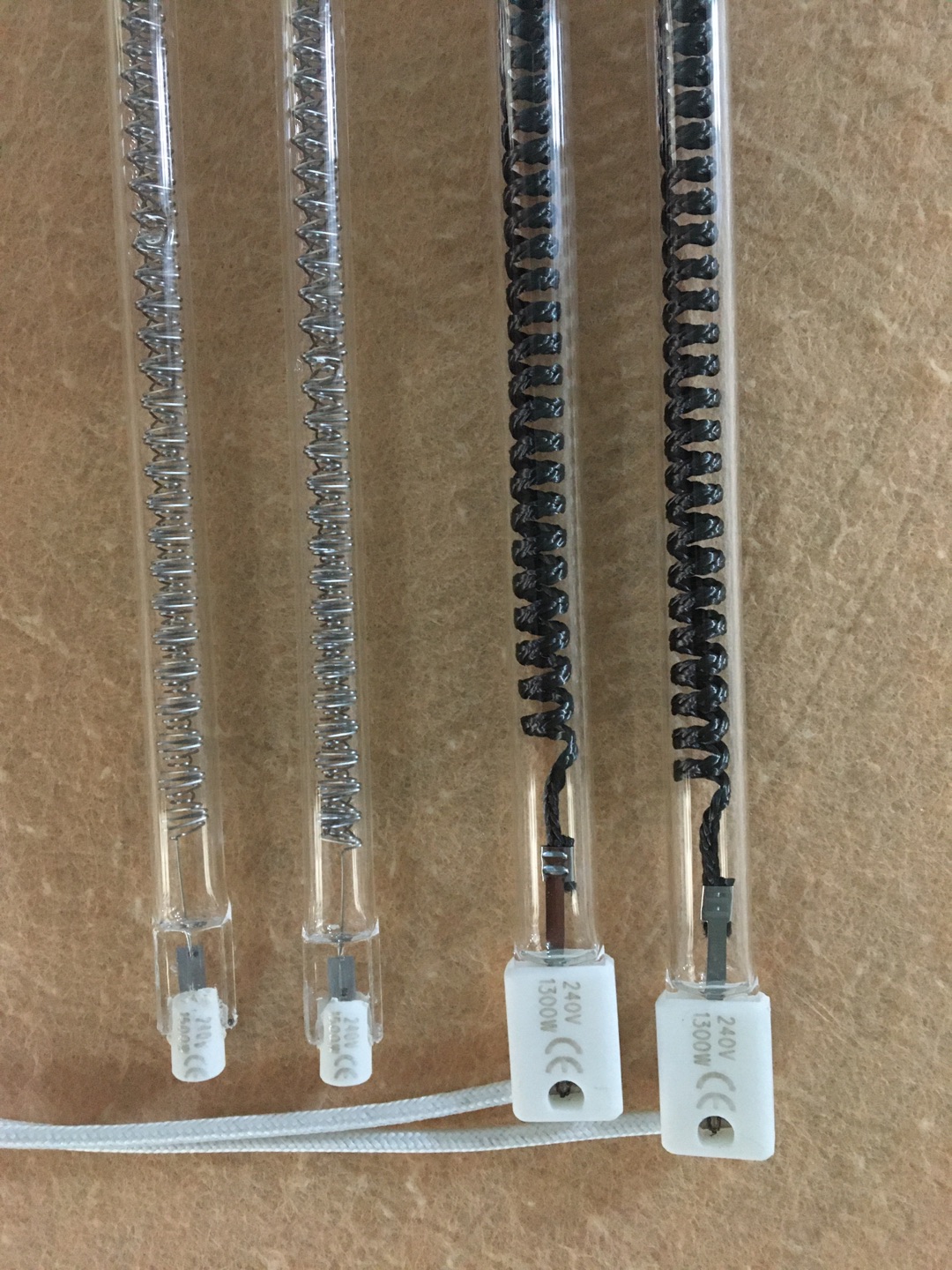
We build halogen infrared heater lamp tubes for engineers who need serious heat in a tight spot—and can’t afford downtime. These aren’t your run-of-the-mill heaters. They’re purpose-built to give you fast, focused infrared output, exactly when you need it. Think rapid-response heating, quick curing, and clean material processing. Power, voltage, and size—what really matters It all comes down to power density. Take a 2500W lamp in a short 300mm tube, for example. That’s a lot of heat packed into a small space. The payoff? Lightning-fast ramp-up and tight control in automated setups. We spec these at 400V to match industrial control circuits and keep current low. Less current means smaller wiring and less voltage drop over long runs. But it also means you need solid insulation and proper clearance in your design. As for size, it’s all about matching the tube to the target zone. Short tubes concentrate the energy. Longer tubes spread it out for a wider heat profile. What’s inside—and why it works The halogen cycle keeps the quartz envelope clean. Evaporated tungsten gets redeposited right back onto the filament. That keeps output steady and stretches the lamp’s life compared to standard IR bulbs. The quartz body handles thermal shock and runs hot enough to keep the halogen cycle humming. Many versions add a reflective coating on the rear section to push infrared energy forward. Less wasted heat. More usable output. For termination, we use R7s and other industrial connectors. They give you solid contact, easy replacement, and a secure mechanical fit. They hold up to vibration and repeated lamp changes without arcing or loosening. Where these shine—and what to watch for Halogen infrared tubes are a natural fit for PET blowing, plastic welding, adhesive curing, and coating drying. Places that need intense heat fast, in a compact machine footprint. Because the output is concentrated, you can target heating zones precisely. That cuts cycle time and makes results more repeatable. The trade-off is thermal management. High power density means you need proper cooling and shielding to protect nearby parts and keep ambient conditions stable. When you spec these tubes, you get a drop-in heat source that wires up clean, holds steady under load, and keeps production moving. No fuss. Just dependable heat, where and when you need it.