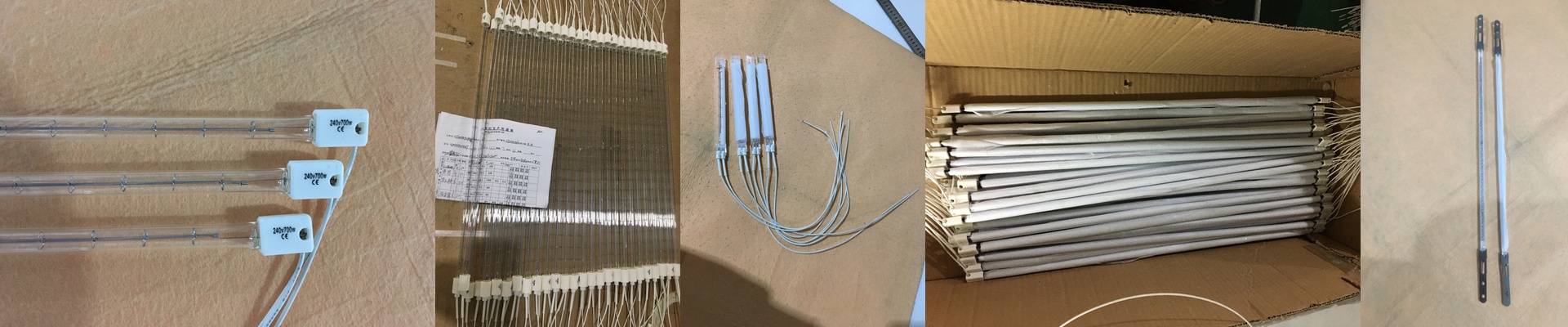
Introduction
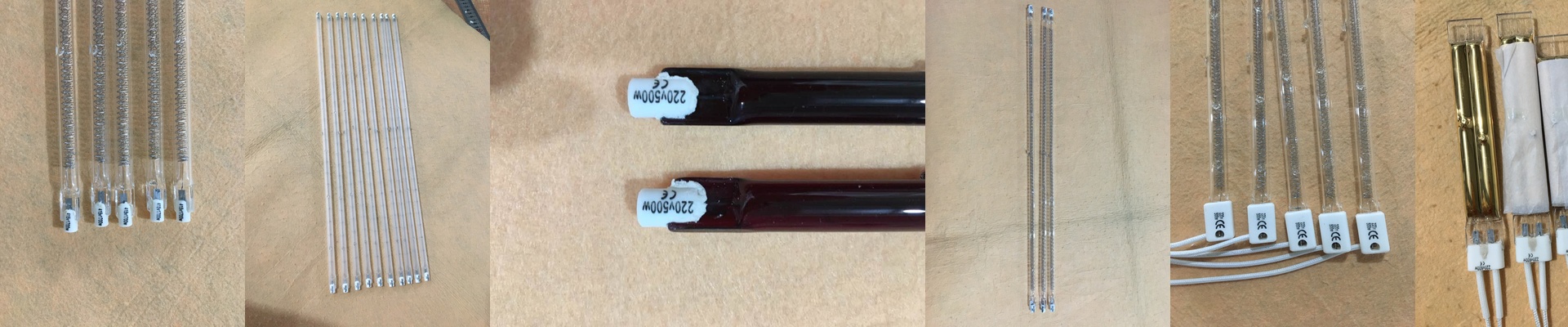
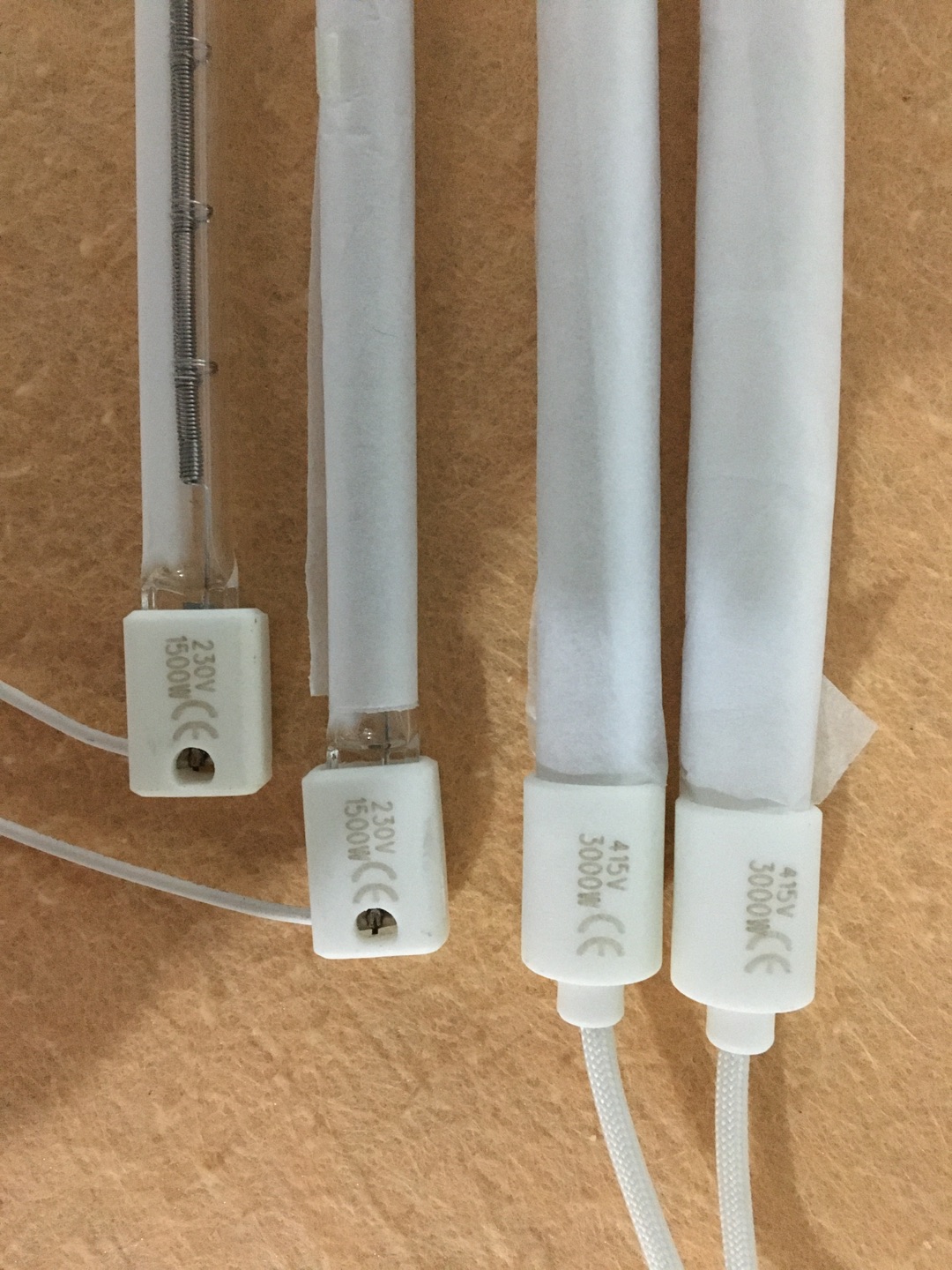
Picture this: you’ve got a tight spot, and you need heat—fast. That’s exactly why we built this 1500W IR halogen lamp. It’s all about getting intense, focused heat right where you need it, when you need it. For industrial heating that can’t afford to wait, it hits the mark with a quick ramp-up, steady output, and the kind of reliability you need when the pressure is on.
The Power Behind the Heat
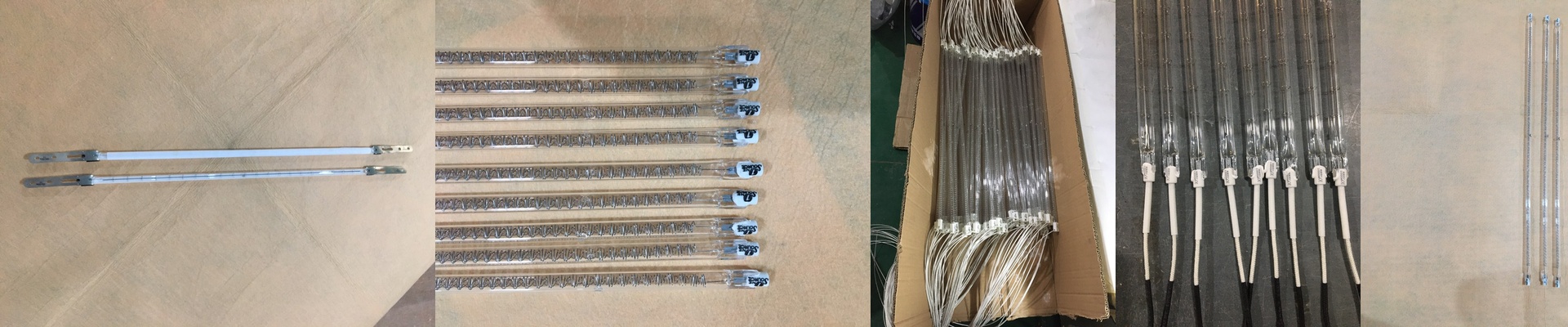
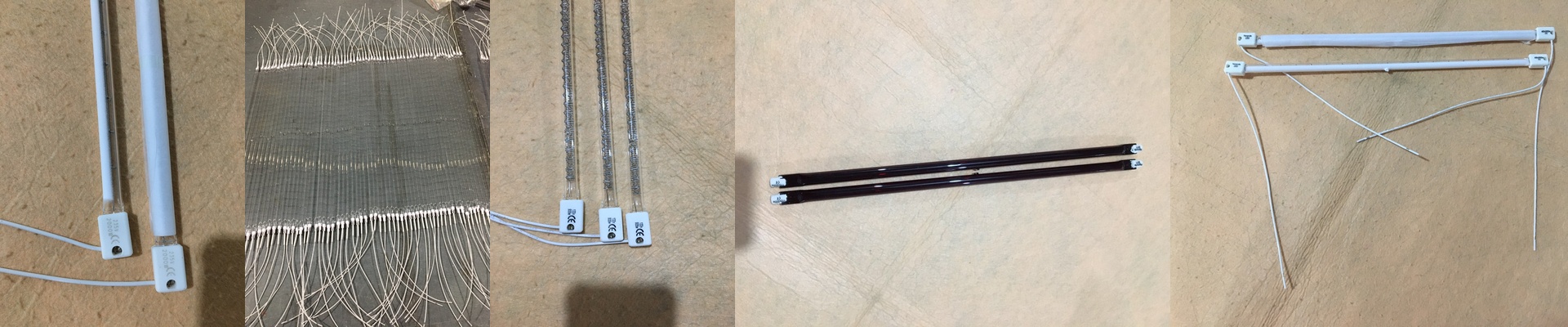
Here’s the thing about this 1500W lamp: it packs a serious punch into a small space. That high heat density is perfect when you’re just heating a specific spot or need to create a tight thermal zone. And it’s flexible, too. You can match it to your voltage—whether that’s 120V, 240V, or 400V. That means you keep the current draw under control and save your wiring from unnecessary stress. Then there’s the tube length. Go shorter, and you get a more intense, concentrated beam. Go longer, and you cover a wider area without losing that crucial watt density. It’s all about tailoring the heat to your exact needs.
Built to Last
Inside, the halogen cycle does its quiet work, keeping the filament stable and the light output consistent for the life of the lamp. And the housing? It’s pure quartz. It handles the extreme heat without breaking a sweat and stays optically clear, so the infrared energy gets through cleanly and efficiently. That IR coating is a clever touch, too. It tunes the heat’s spectrum to match what your materials absorb best. Translation? You get more efficient heat transfer, and that means less wasted energy. And when it comes to installation, it’s a no-brainer. With R7s and SK15 end caps, it’s a straight-up, drop-in fit. You can wire it up and lock it into place with standard fixtures in no time.
Where It Shines (And What to Keep in Mind)
This lamp is your go-to for jobs like heating plastic, curing coatings, activating adhesives, or drying components. The real beauty is how fast it fires up. That immediate heat gives you tighter control over your cycle times, which is a huge relief when you’re trying to keep things moving. Just one thing to remember: with that kind of watt density, you need to manage the heat. Proper airflow and a solid thermal plan are key to making sure the surrounding parts don’t get cooked.