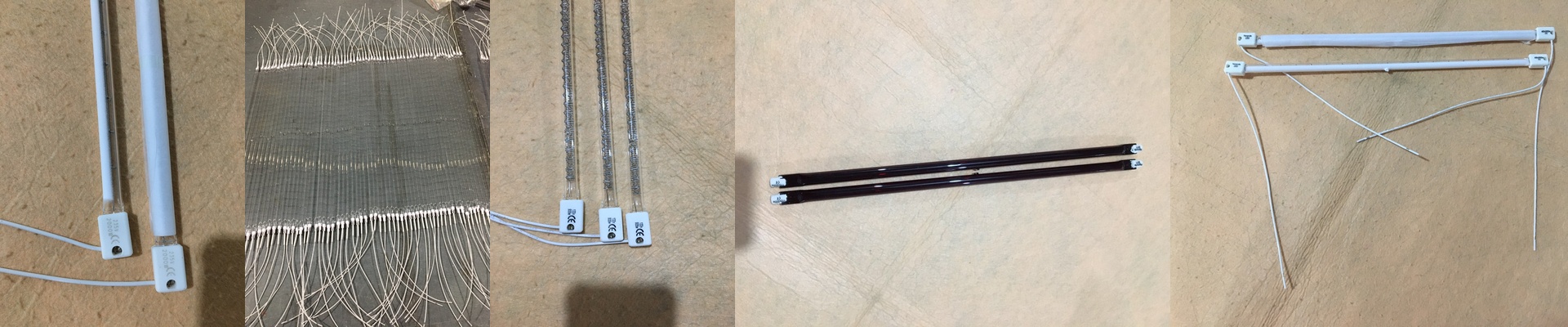
Stop Overpaying for Edgebanding Spare Parts
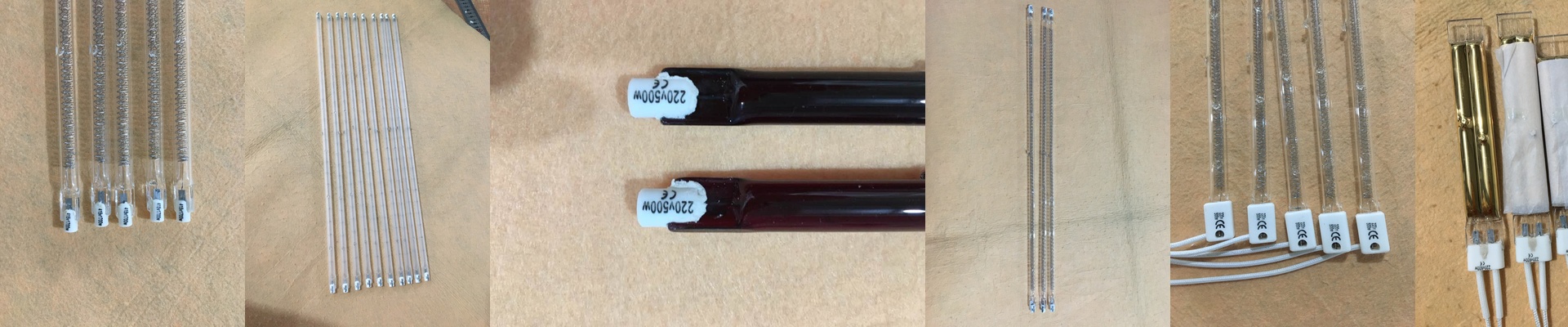
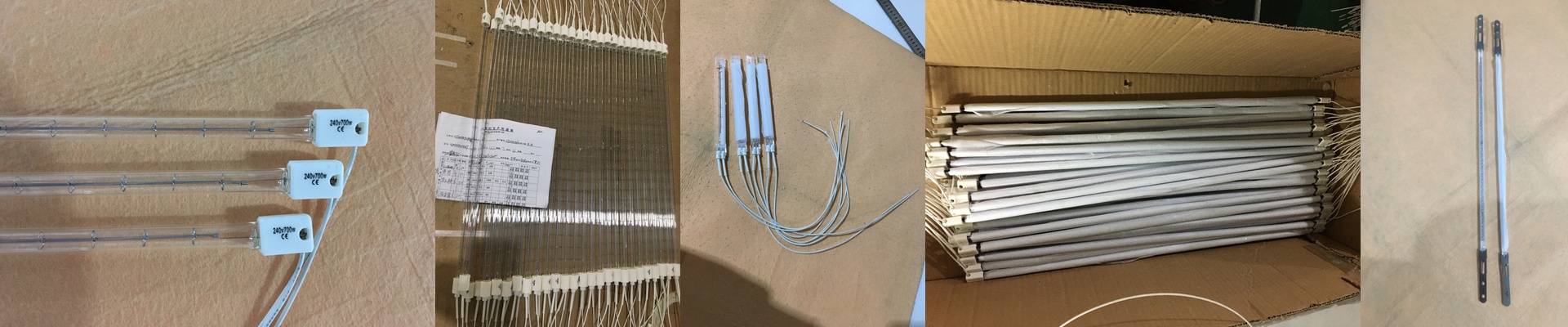
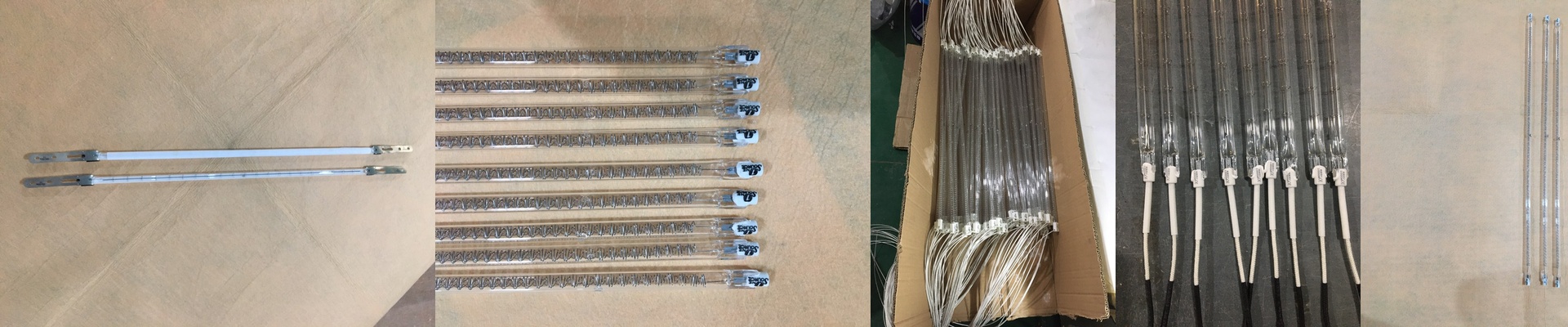
Let’s be honest: high-end furniture machinery is great until you need a spare part. That’s when the OEM brands hit you with a markup that feels like a robbery. We wanted to see if a standard domestic IR heating lamp could actually do the job without ruining your production. The short answer? Yes. But you can’t just grab any bulb off the shelf. You have to get the heat and the electricity exactly right. The “Don’t Eyeball It” Rule When it comes to electrical specs, “close enough” is a recipe for disaster. We measure everything down to the millimeter. Think about it: if you drop a 230V lamp into a 400V circuit, it’s going to pop instantly. On the flip side, if the voltage is too low, your glue won’t stick, and you’ll be staring at a pile of wasted edgebanding. We make sure the wattage per centimeter matches the original perfectly. That way, the heat hits the glue line exactly how the machine designers intended. The Nitty-Gritty: Quartz and Plugs We use high-purity quartz glass because these things take a beating from thermal shock. Then there are the connectors—usually R7s or SK15. Most people ignore them, but these are usually where things go wrong. If they aren’t built to handle high current, they pit or melt. It’s a nightmare. We also stick with shortwave IR. It sinks into the adhesive way faster than longwave, which means you don’t have to slow down your conveyor belt just to get a good bond. The Trade-off You Need to Know Here’s the thing about heat density. If you cram high wattage into a short tube, you get a massive blast of heat. It’s great for fast cycle times. But there’s a catch. That extra stress on the filament means the lamp might not last as long as a longer, lower-wattage tube. And a pro tip: keep your cooling fans clean. If the housing gets too hot, your lamps will burn out early, no matter who manufactured them. Just wire it up, tweak your PID controller, and you’ve got the same performance as the big-brand parts without the ridiculous price tag.