Stop Turning Your Workshop Into an Oven
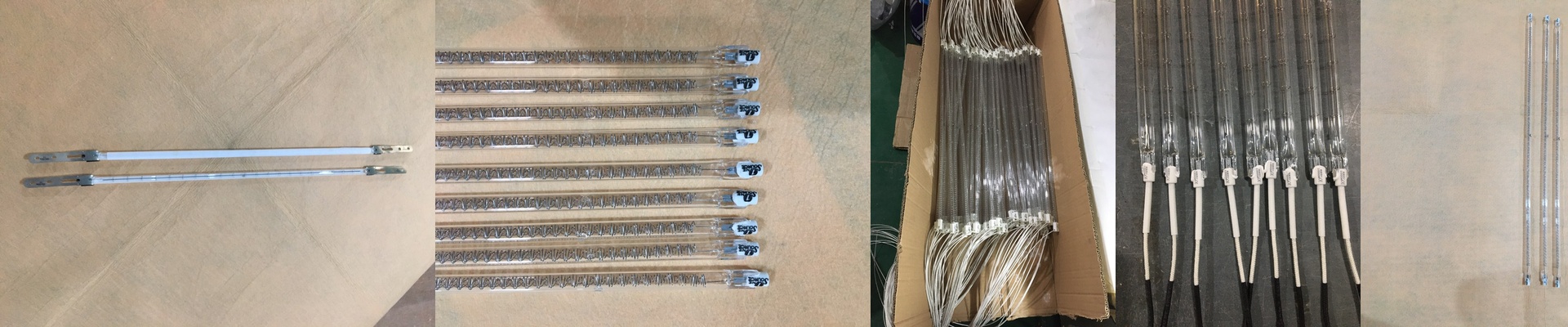
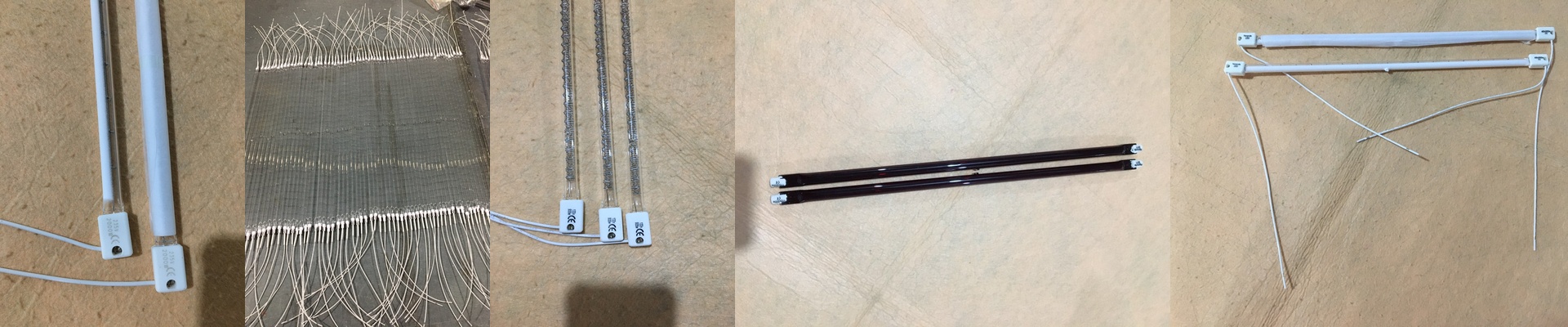
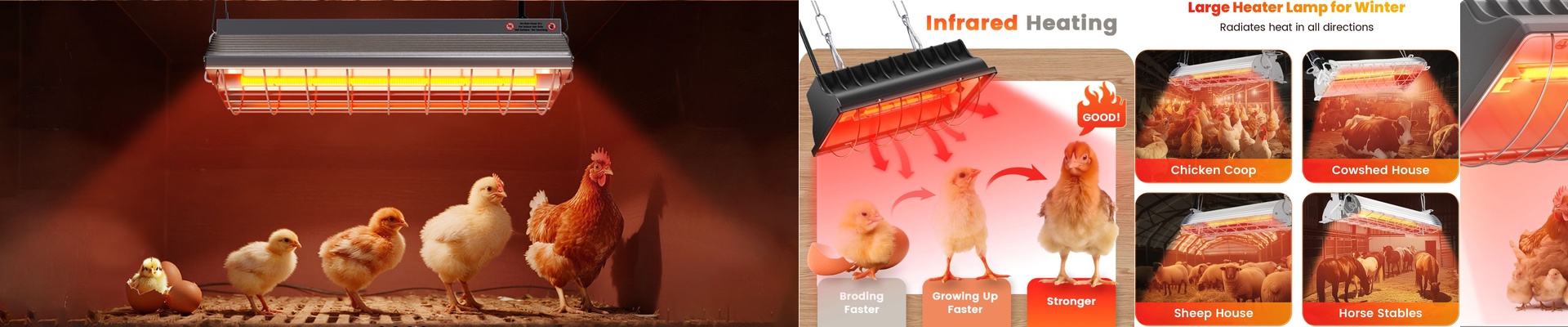
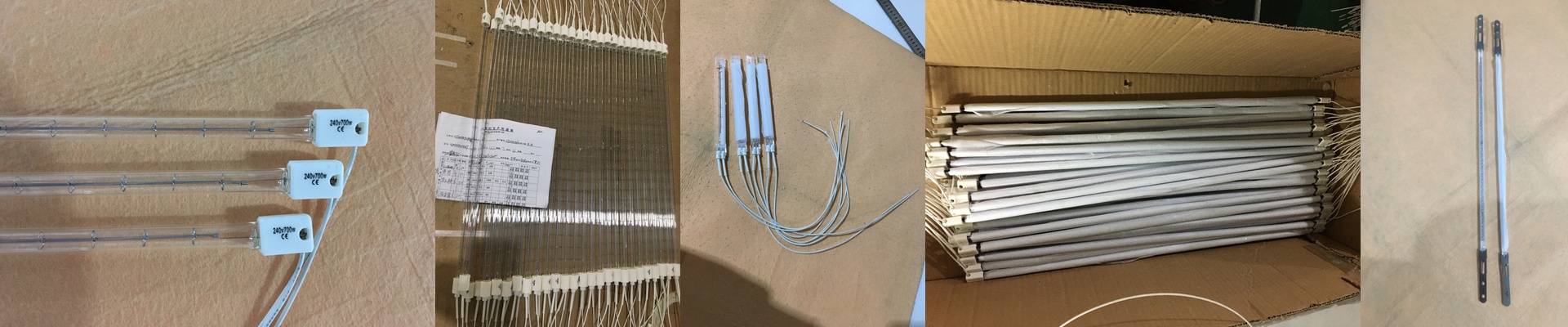
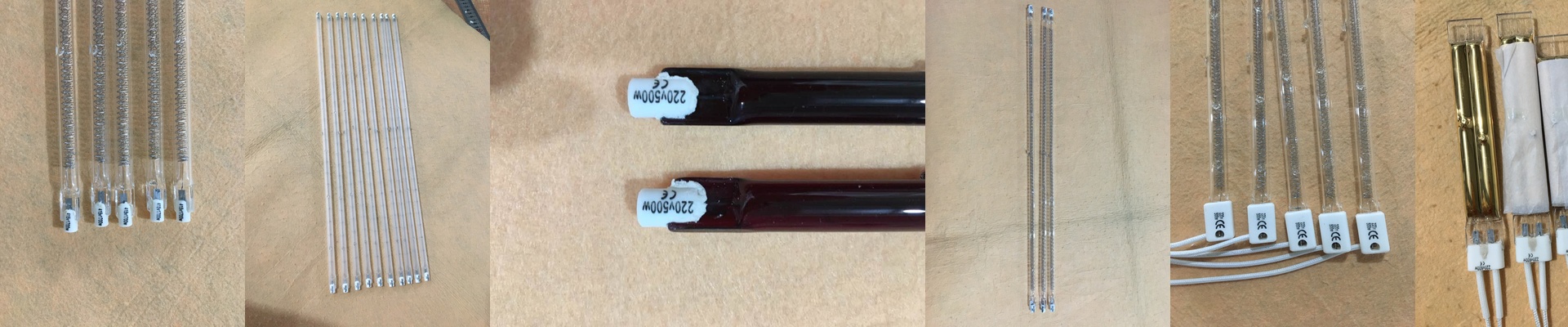
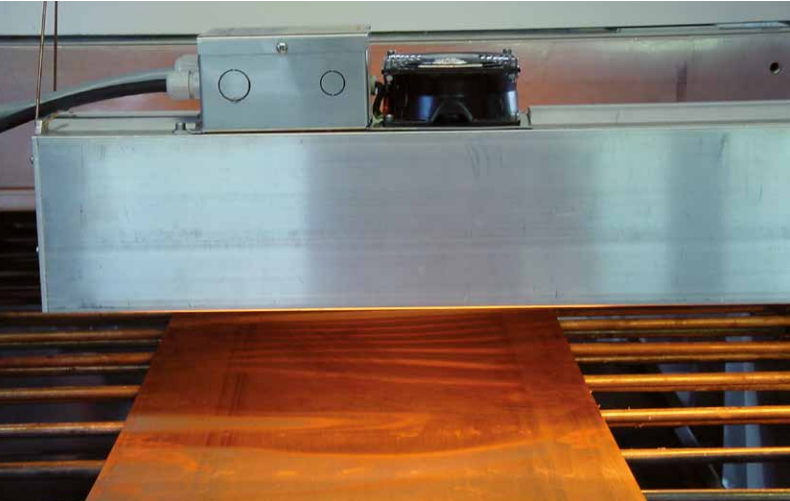
If you’ve ever worked in a timber drying plant, you know the feeling. By mid-July, the whole shop feels like a sauna. That’s because traditional convection heating is basically a brute-force approach: you heat up all the air just to get the wood to dry. It’s wasteful, it’s expensive, and it makes your ventilation system work overtime just to keep everyone from passing out. We do things differently with directional infrared (IR). Here is the trick: IR lamps don’t bother with the air. They send energy straight into the surface of the timber. Because we focus the beam, the heat goes exactly where it needs to go and nowhere else. It’s a night-and-day difference. Your wood hits the right temperature for moisture loss, but the operator standing a few feet away? They’re actually comfortable. Picking your gear When you’re browsing our spare parts, you’ll see a bunch of different wattages and lengths. If you need heat to penetrate deep and fast, go for a high-wattage shortwave tube. Just a heads-up on the technical side: if you’re running high-voltage systems, double-check your wiring. You don’t want to fry your terminals because the current draw is too high. We use quartz envelopes for our lamps to keep that heat tight and stop them from burning out too early. Making it work Our lamps are designed to drop right into your existing housings. Simple. But there is a catch. Because these lamps are so intense, the housing itself takes a lot of heat. The real secret to keeping them efficient, though, is cleanliness. If your reflectors get covered in dust, you’re in trouble. That dust scatters the light, and suddenly your precision tool is acting like a giant, expensive space heater again. Keep the optics clean. It takes a minute, but it’s the only way to keep the shop cool and the wood drying fast.