Getting Your Wood Paint Curing Right
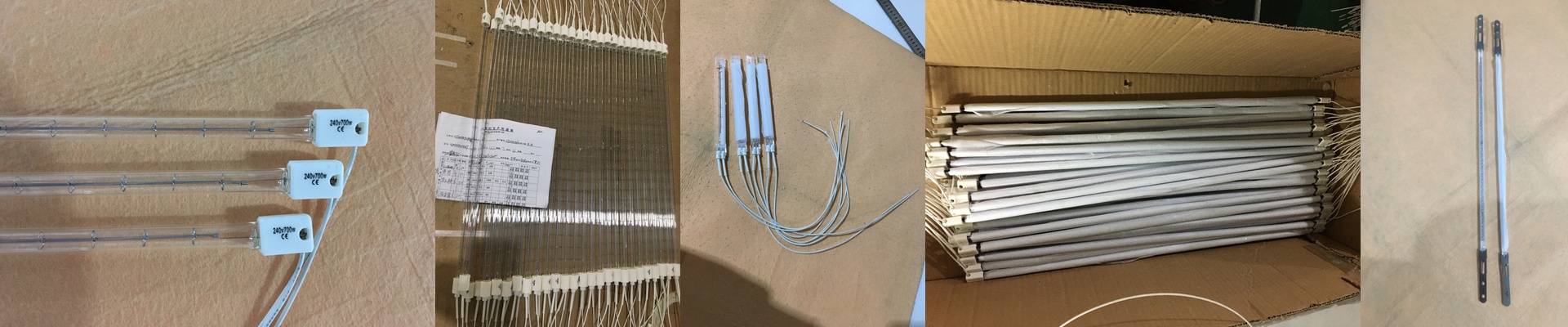
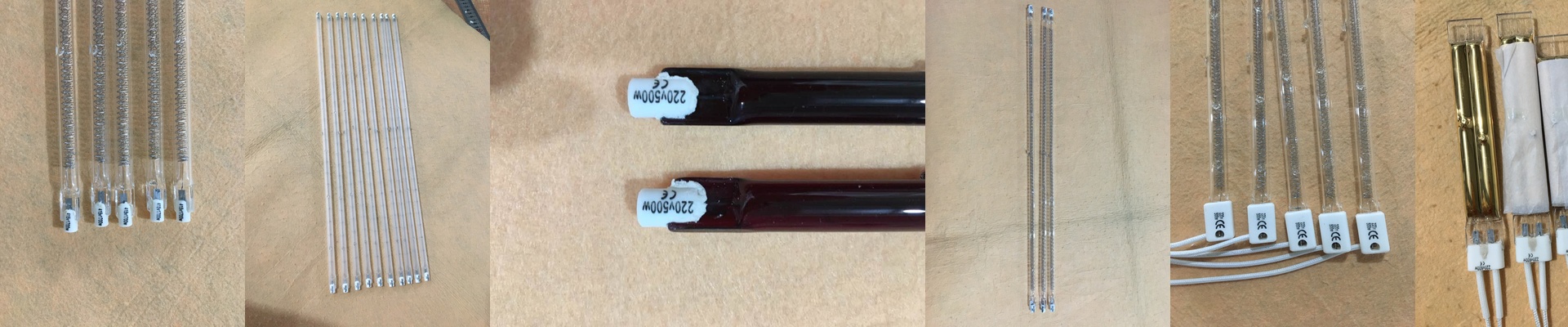
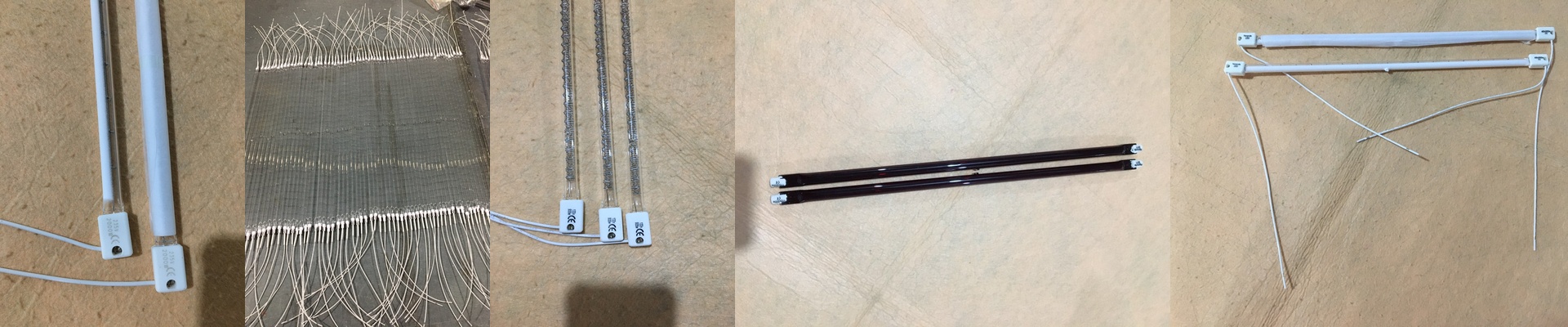
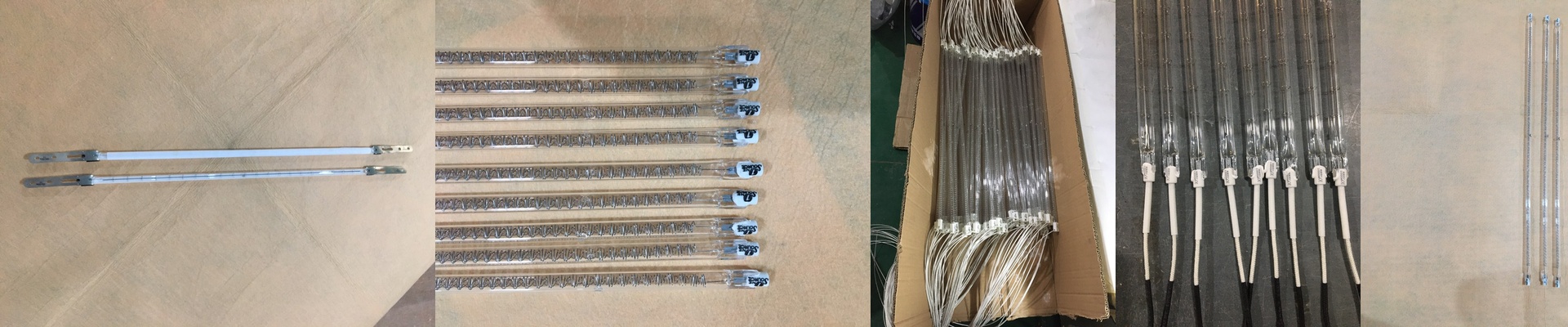
Curing wood paint is a bit of a balancing act. You need enough heat to get the coating to bond, but if you push it too hard, you’re looking at bubbles or—even worse—scorched wood. That’s exactly why we build our infrared lamps the way we do. The Heat Factor When it comes to finishing lines, we usually go with high wattage density. Why? Because you need that paint skin to set fast. But here’s the thing: you have to match your wattage to how fast your conveyor is moving. If your line is flying and the lamps can’t keep up, you’ll end up with a tacky, sticky mess. On the flip side, too much heat and you’ve just burnt your product. It’s a tight window. Also, don’t forget your cooling system. If the housing gets too hot, the lamps will burn out way sooner than they should. The Glass and the Secret Sauce We use high-purity quartz glass. It’s tough. It can handle the shock of being turned on and off rapidly without cracking. Plus, we add a specialized coating to many of these lamps. Instead of just baking the surface, this coating pushes the heat deeper into the lacquer. It’s the difference between a surface-level dry and a cure that actually lasts. Real Support, Not Just a Piece of Paper Our lamps use standard connectors, so they usually slide right into most industrial ovens without a fight. Now, the big brands will tell you they have a 24-month warranty. That’s great, but a warranty doesn’t help you when your production line has a temperature dip at 2 AM. We do things differently. We actually get out to your shop floor. We’ll help you wire everything up and tweak the temperature profiles until they’re perfect for your specific setup. No guessing, no “trial and error” with expensive materials. We’re there to make sure it actually works in your world, not just on a spec sheet.