Quartz vs. Ceramic: Which one actually saves you money in the brooder?
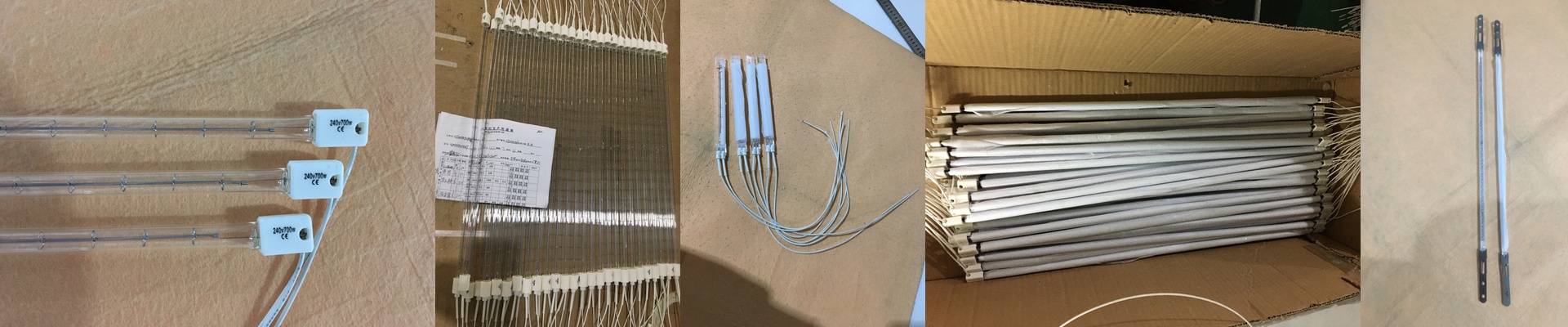
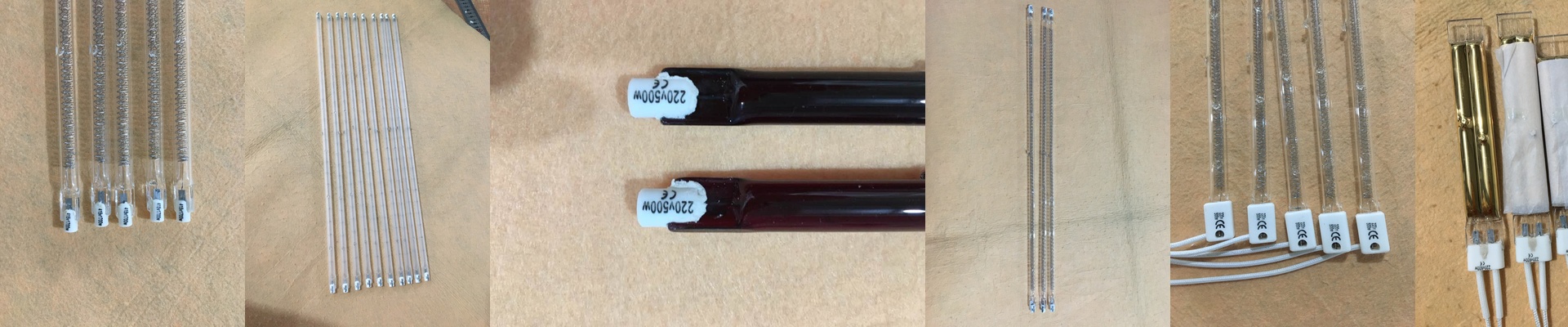
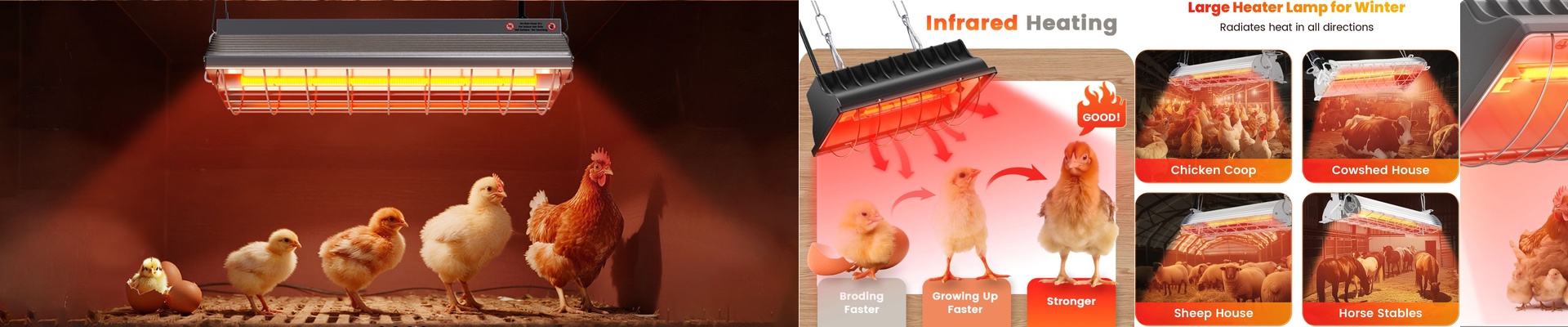
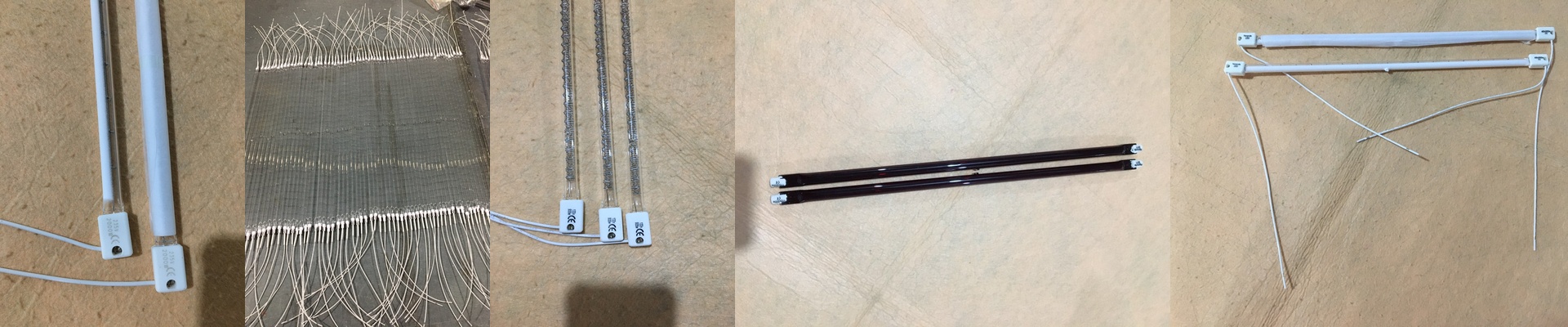
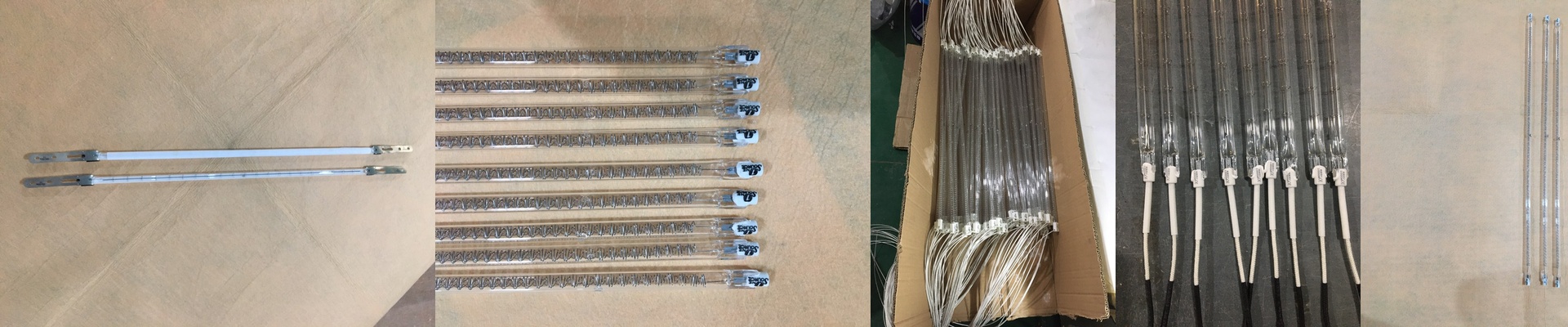
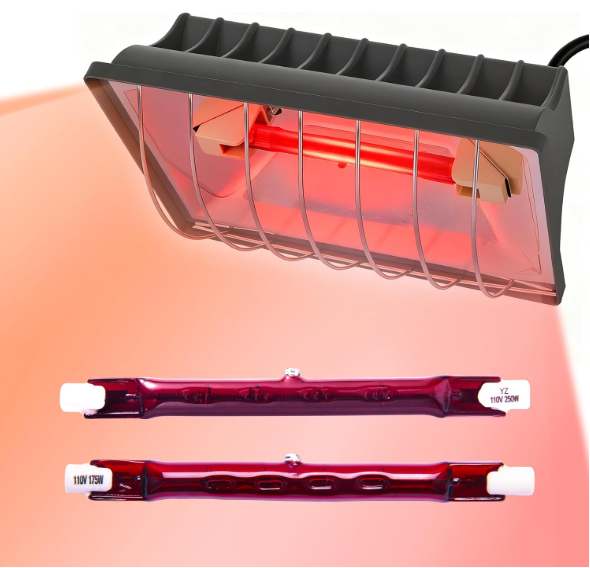
When you’re setting up a brooder, you usually end up staring at two options: ceramic emitters or quartz infrared lamps. On the surface, ceramic looks like the easy win. They’re cheap to buy and they don’t put off any light, which sounds great. But if you’ve spent any real time on a factory floor, you know that the “cheap” option usually ends up costing you more in the long run. Here’s the thing about ceramic heaters: they’re slow. They rely on thermal mass, meaning they take forever to warm up and just as long to cool down. It’s a lag that makes hitting a precise temperature feel like a guessing game. Quartz lamps are a different beast entirely. They use short-wave radiation to send heat straight to the chicks. They don’t waste time heating up the air first. The second the power kicks in, you feel it. No more annoying temperature swings that stress out your flock. And then there’s the durability issue. Ceramic elements have a habit of cracking. They go through these heating and cooling cycles over and over until a tiny micro-crack forms, and then—pop—the whole thing burns out. Quartz tubes are built for this. We use high-purity silica glass that can handle extreme heat without warping or giving up. You get a steady, reliable wattage for thousands of hours without having to worry if the lamp is about to die on you. Now, it’s not all perfect. Quartz lamps put out light, and some breeders worry that’ll mess with the chicks’ sleep. You can fix that with a bit of shielding or a coated tube, though. Also, they’re glass. If you drop one, it’s over. You can’t treat a quartz lamp like a ceramic brick. But when you look at the math? The quartz lamp wins. Think about all that energy wasted waiting for a ceramic block to finally get warm. Compare that to the instant heat of infrared. It’s a simple swap that stops the waste and keeps your environment stable. Your wallet—and your chicks—will thank you.