Keeping Calves Warm: The Real Deal on Infrared Heat
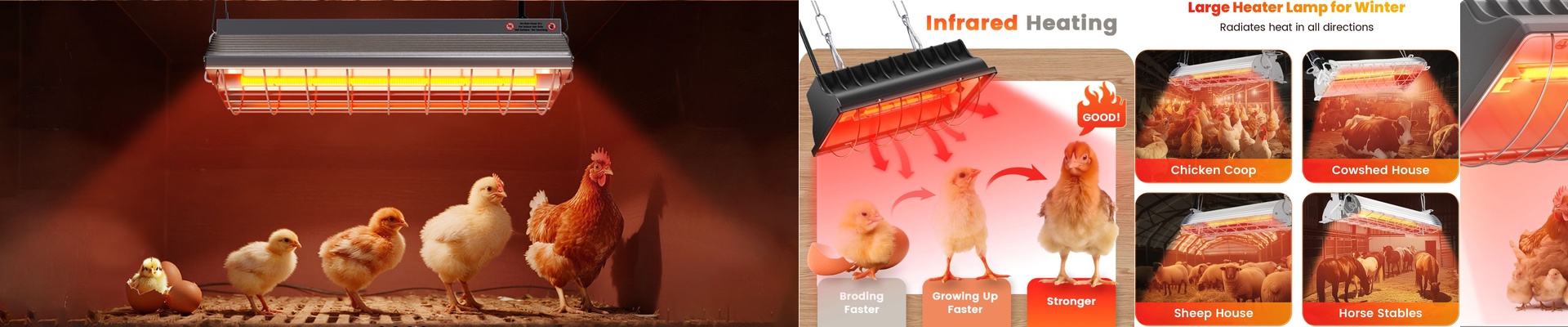
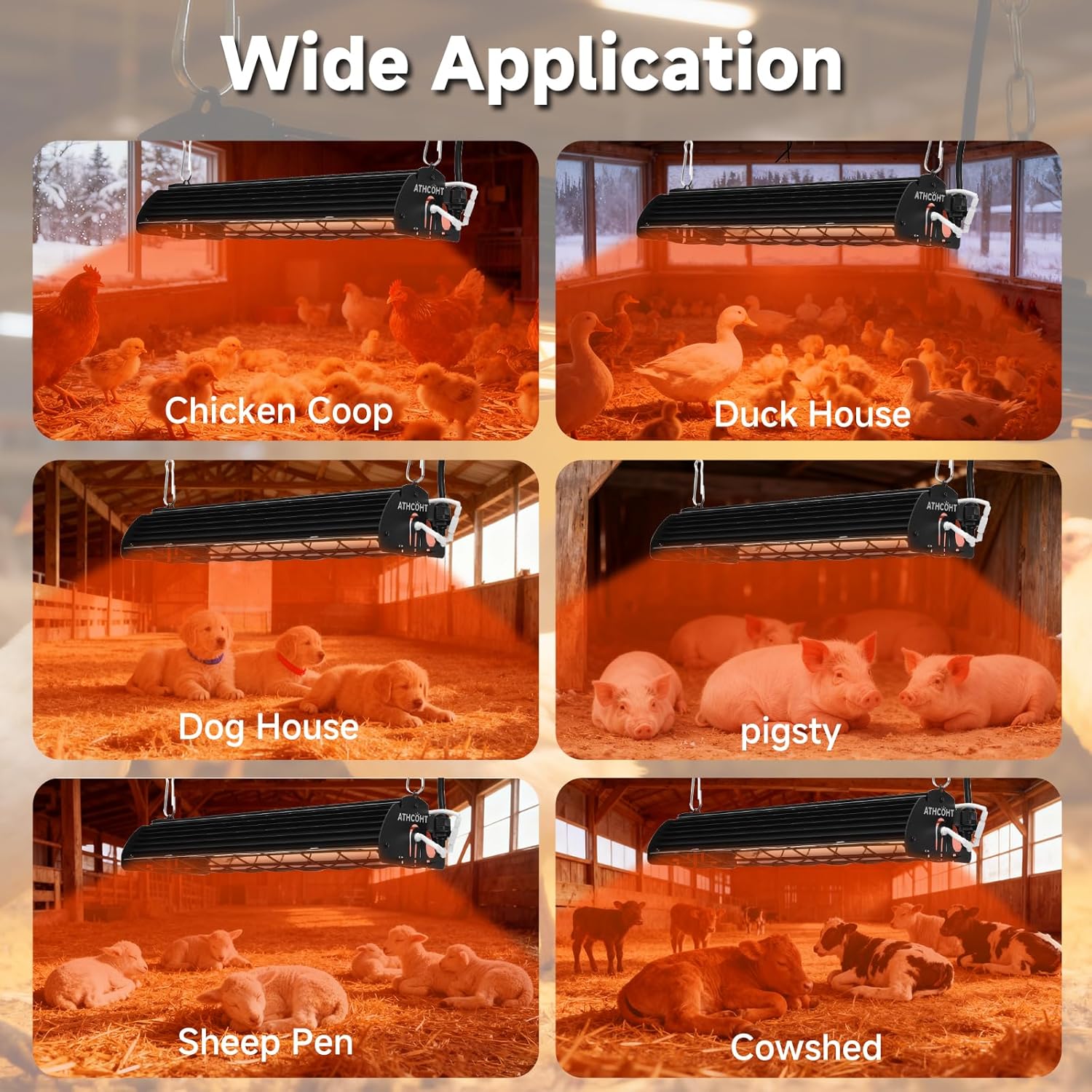
Let’s be honest: newborn calves and cold barns don’t mix. If they get too chilled, you’ve got a real problem on your hands. That’s where infrared lamps come in. Instead of trying to heat up the entire drafty barn—which is basically like trying to heat the outdoors—these lamps send heat straight to the animal. It’s direct, it’s fast, and it works.
Getting the Power Right
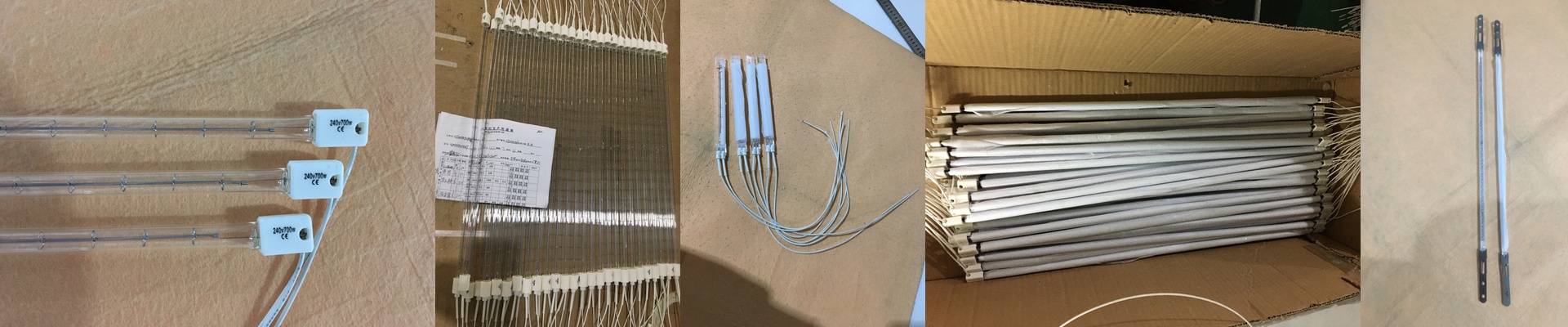
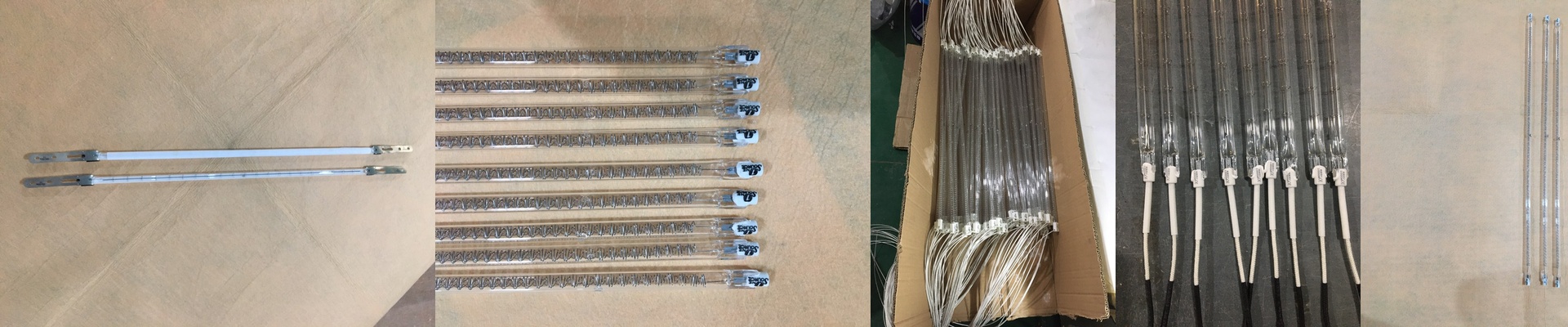
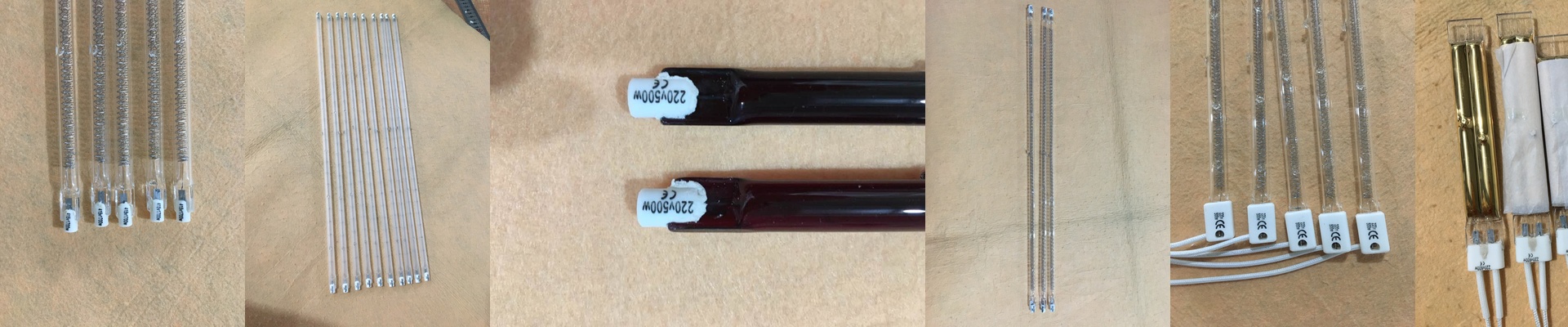
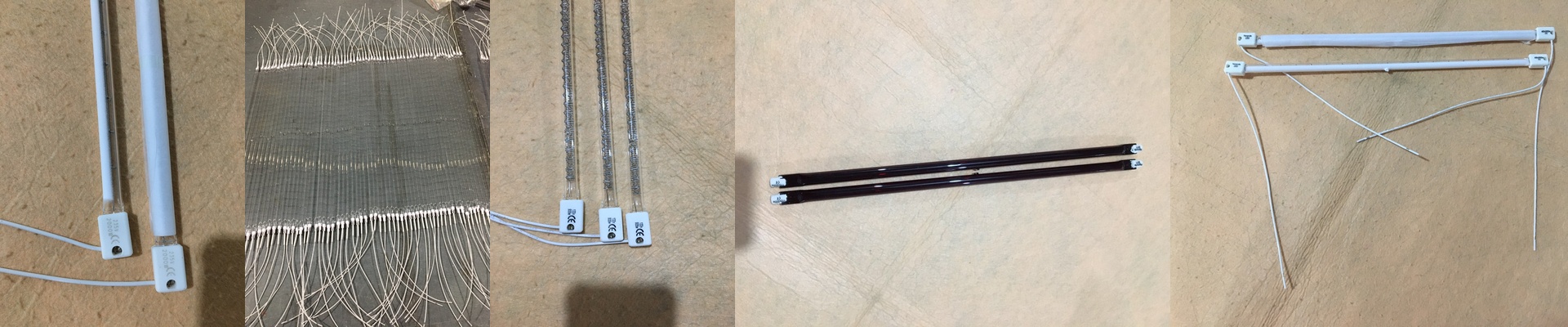
We build these things to survive the grit and humidity of a working barn. Now, the wattage is where people usually trip up. If you go too high, you’re risking burns. Too low? The calves stay cold. It’s a balancing act. We use quartz glass for the envelopes because it lets the heat punch through the air without wasting energy.
The Nitty-Gritty of Installation
Our lamps are designed to be “plug and play.” They fit right into the fixtures you already have. But here’s the thing: the connectors are where most systems fail. A bad crimp leads to arcing, and then your lamp burns out way too early. We use reinforced leads because we know these things take a beating during the daily chaos of cleaning and moving livestock. Just a heads-up on the heat: these shortwave lamps are intense. They create hot spots.**Make sure you mount them at the right height.**You don’t want to be dealing with skin burns because a lamp was hanging two inches too low.
Support That Actually Works
When a heater goes out in the middle of winter, it’s a crisis. You can’t afford to wait three weeks for a shipment from overseas or spend four hours on hold with some corporate call center. Your calves can’t wait for a “factory approval chain.” That’s why we do things differently. No ticket systems. No corporate red tape. You get a direct line to the engineers. We’ll figure out exactly which part you need and ship it out immediately. We care about your uptime, not the paperwork.