
Keeping Your Wood Drying Lamps from Becoming a Fire Hazard
Look, wood drying lamps take a beating. They deal with extreme heat, hour after hour. When you’re plugging these into a high-end piece of machinery, the electrical connection is usually where things go sideways. One tiny crack in the insulation? That’s all it takes to fry your entire control board. Or worse, in a shop full of sawdust, it’s a recipe for a fire. Nobody wants that.
Why we obsess over HiPot and Insulation Tests
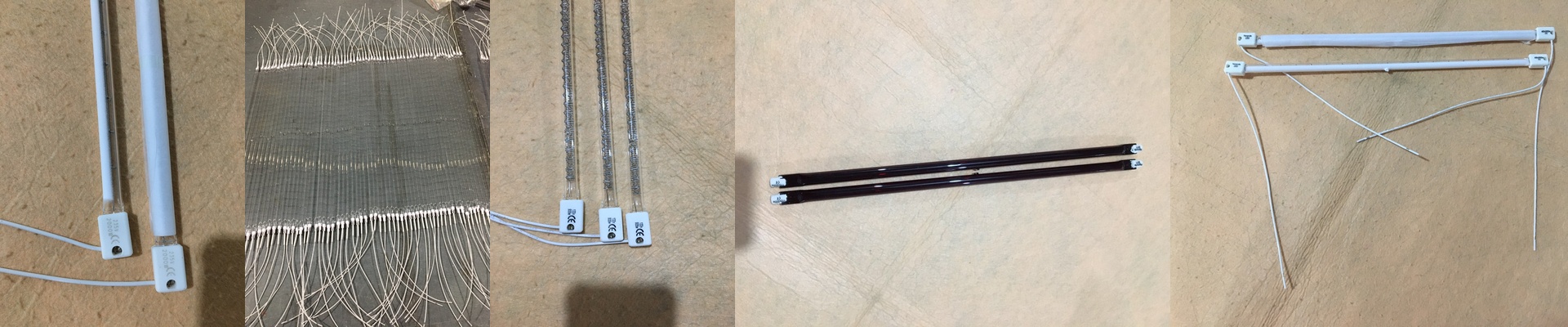
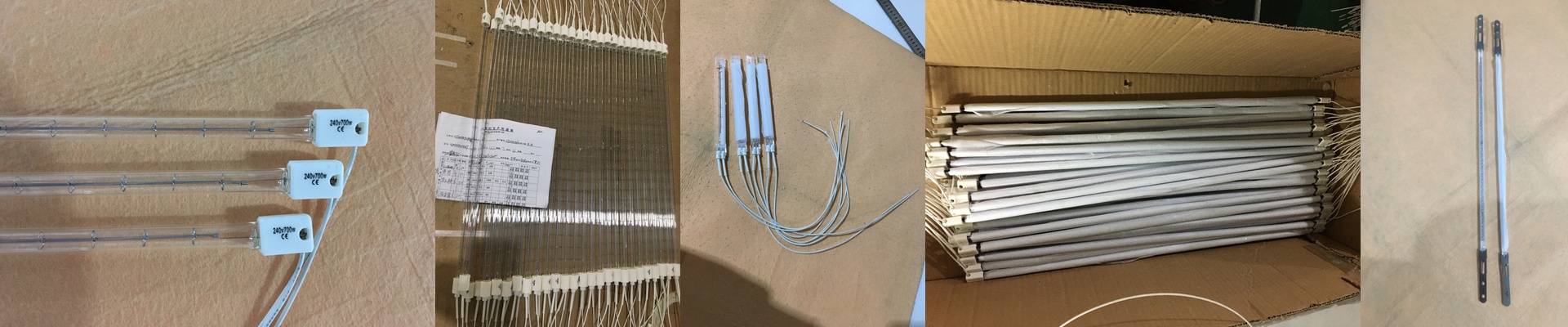
We don’t believe in “batch testing.” You know, where a company tests one out of every hundred and just hopes for the best? We don’t do that. Every single tubegoes through a high-voltage withstand test (HiPot) and an insulation check before it even leaves our floor. We basically push the quartz and the seals way past what they’ll face in your shop just to make sure they can handle it. Here’s why: if there’s a microscopic fissure in the glass or a seal that isn’t quite right, the test will trip. We catch those leaks right then and there. It means when you finally wire the lamp into your machine, the electricity stays exactly where it belongs—inside the filament—and doesn’t decide to jump over to the chassis.
Dealing with the heat
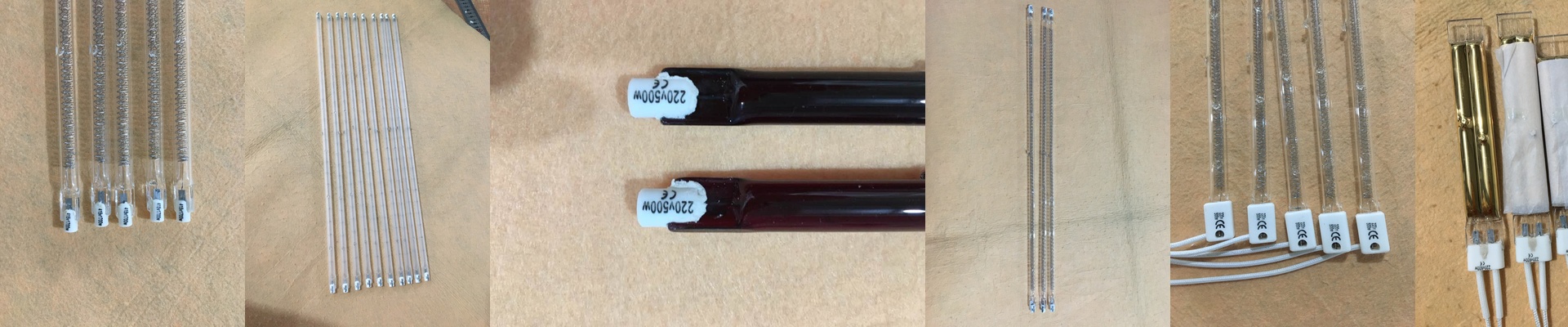
These lamps are built to pull moisture out of wood fast. But packing that much wattage into a small tube creates a lot of heat. Like, “melt your cheap wiring” kind of heat. That’s why we use specific grades of quartz that won’t buckle under the pressure. You’re getting a replacement that can take the heat, but keep this in mind: the more wattage you run, the hotter your machine’s housing is going to get. Just double-check that your cooling fans are up to the task. If they aren’t, you’re looking at burnt-out sockets way sooner than you should.
Making it work in a real shop
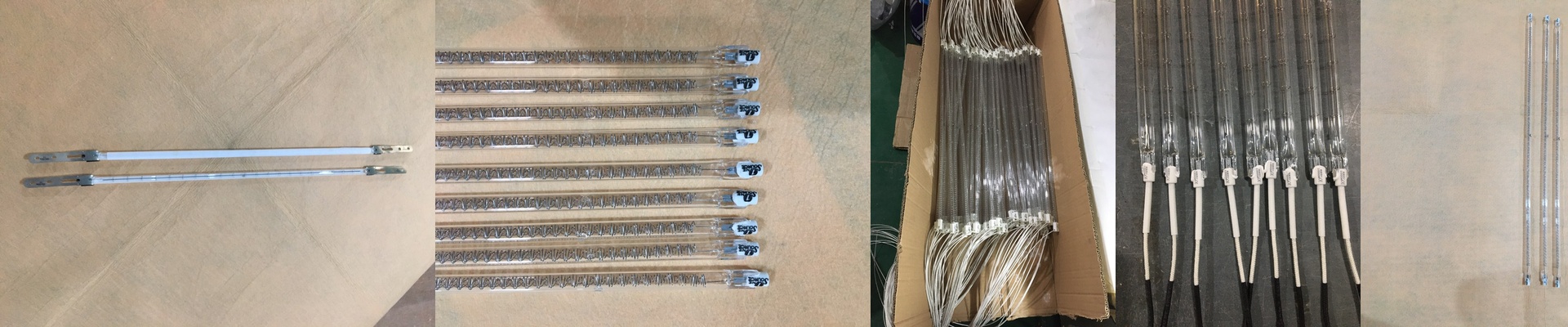
Our lamps are made for professional shops that run hard and run often. By being strict about our dielectric testing, we kill off those “lemon” components that usually fail in the first few weeks of use. You get a steady electrical load and a maintenance schedule you can actually plan around. No random shorts. No “why is the machine off?” moments. Just a tool that works.