Stop the Guesswork with Your SIPA Rotary Heaters
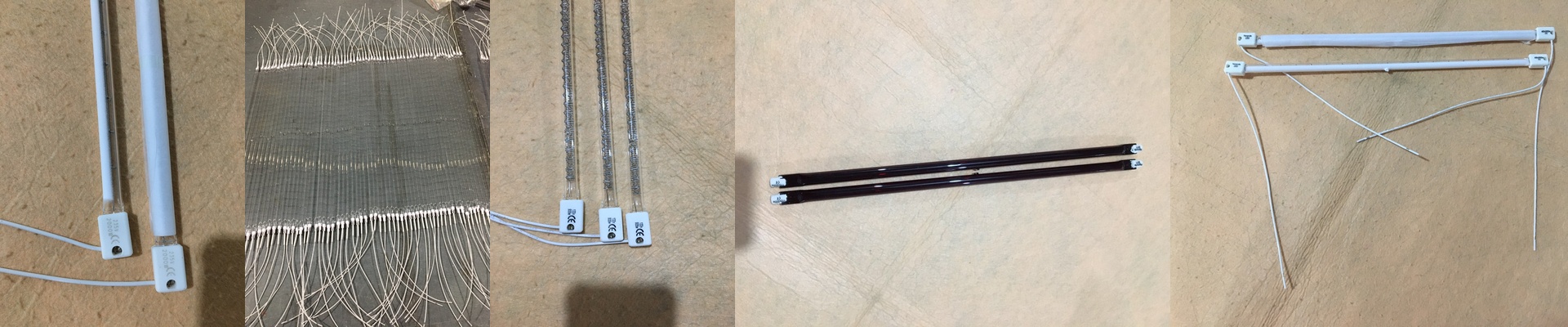
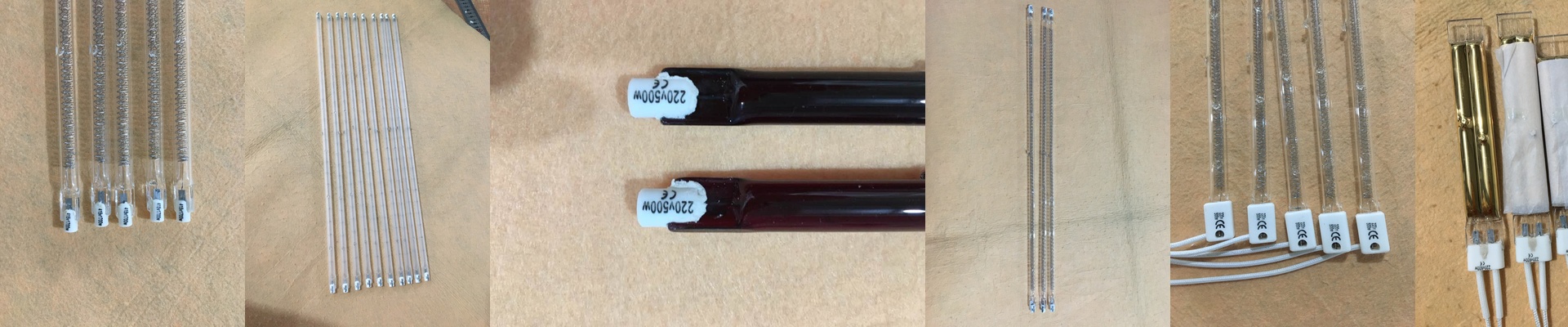
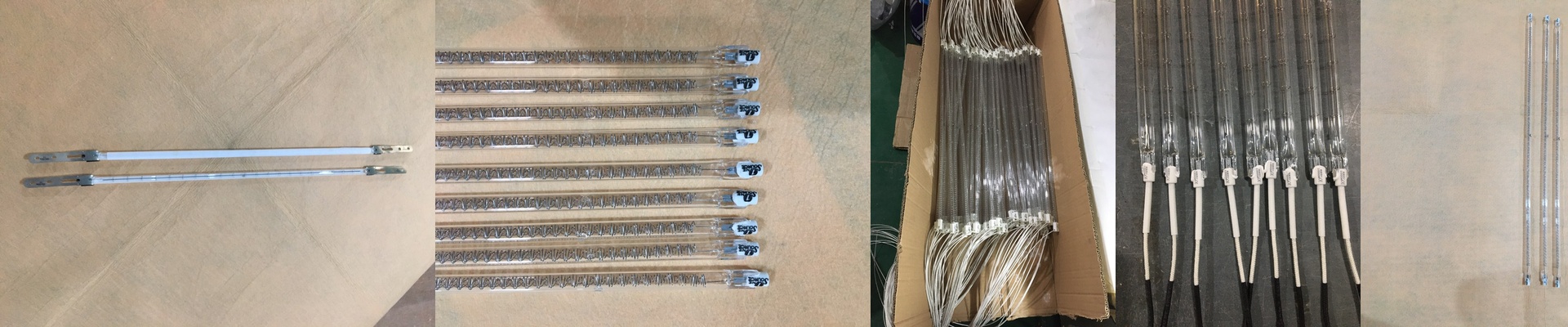
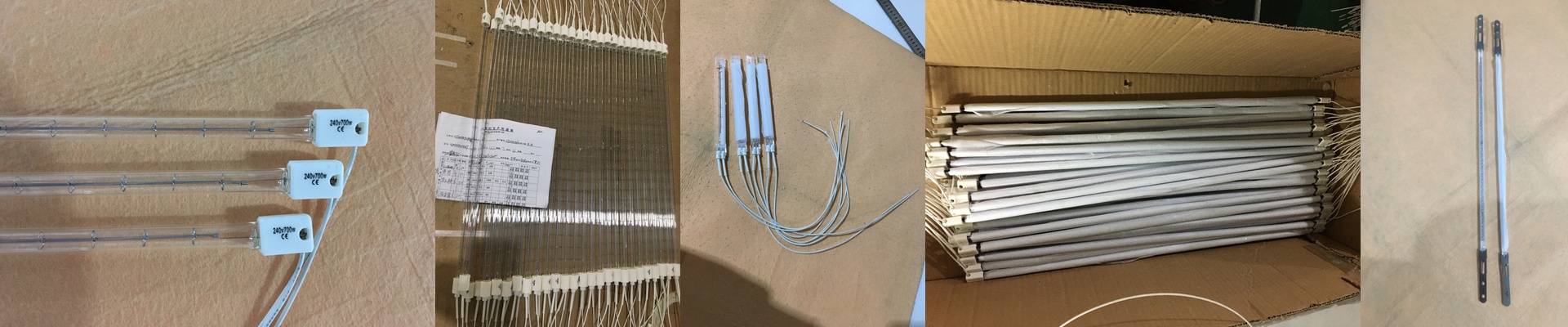
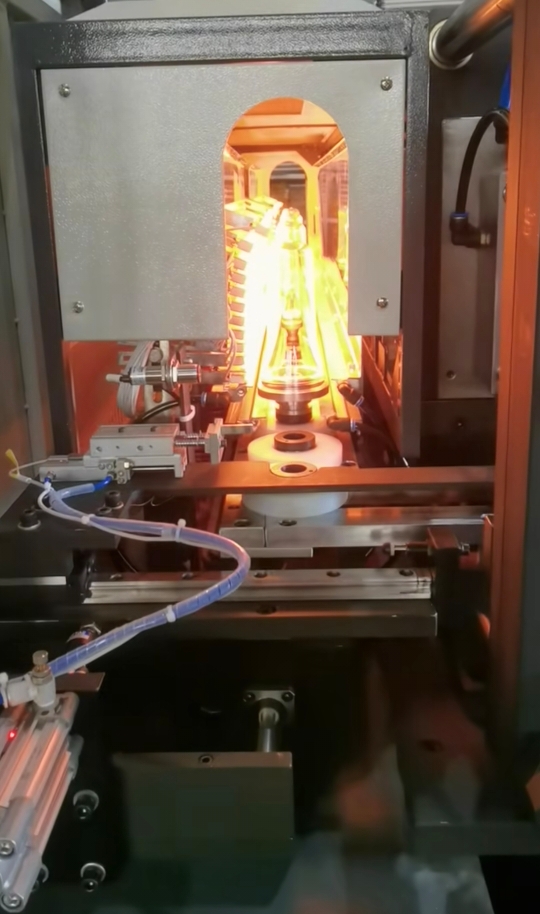
Ever notice those annoying streaks in your PET bottles? Or maybe the wall thickness is just… off. Usually, that comes down to one thing: your lamps aren’t pulling their weight equally. When you mix and match lamps with different wattages or voltage tolerances, you get thermal variance. It’s a headache. That’s why we build our infrared lamps to hit the original SIPA specs exactly. No guessing, no “close enough.” The trick to a perfect heat profile Think of it this way. If one lamp is running at 98% and the next is at 102%, your preform is going to enter the mold with hot and cold spots. It’s a mess. We obsess over narrow wattage tolerances. By keeping the power consistent across the whole bank, you can stop messing with your PID controllers every five minutes. It just works. Better glass, faster cycles We use high-purity quartz because it can take the punch of rapid heating and cooling without cracking. These are short-wave emitters, which is a fancy way of saying the heat sinks into the PET much faster. That means you can shave time off your cycle. Plus, whether you need R7s or Sk15 connectors, these are simple drop-in replacements. You won’t have to touch your wiring or rewire a single socket. A quick reality check Here is the thing: when you’re pushing these lamps to the limit to hit high production targets, things get hot. Really hot. If your cooling blowers are clogged with dust or grime, the airflow chokes. When that happens, the lamp housing overheats and your tungsten filament will burn out way sooner than it should. Keep those blowers clean. Your equipment will thank you. Getting them installed Swapping these out is pretty easy, but do me a favor—check your voltage first. If you plug a 230V lamp into a 400V line, it’s going to pop instantly. Not a great start to the day. And here’s a pro tip: replace your lamps in full sets. Don’t just swap one dead bulb. If you mix a brand-new, bright lamp with a few old, dimmed ones, you’re right back to that uneven heating problem we’re trying to fix. Just swap the whole batch and get back to work.