Why we put every single lamp through a “burn-in” test
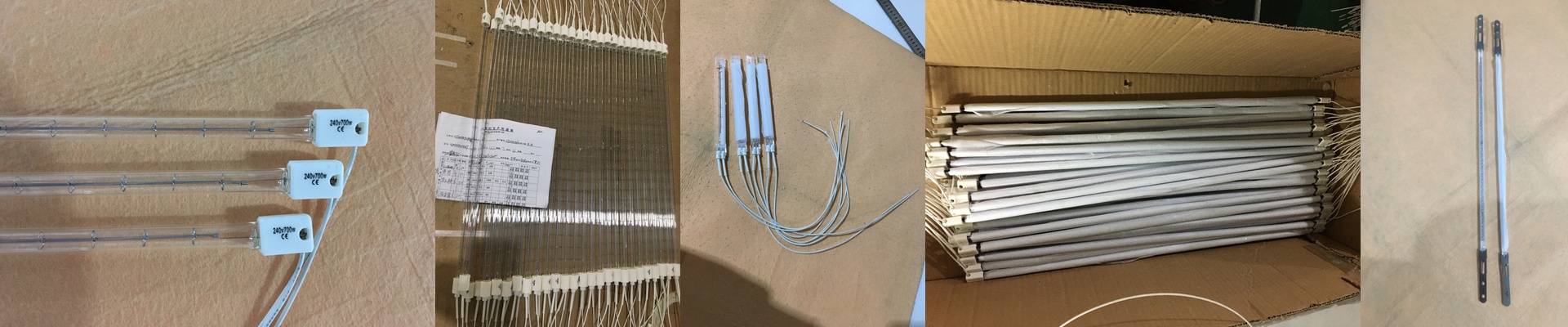
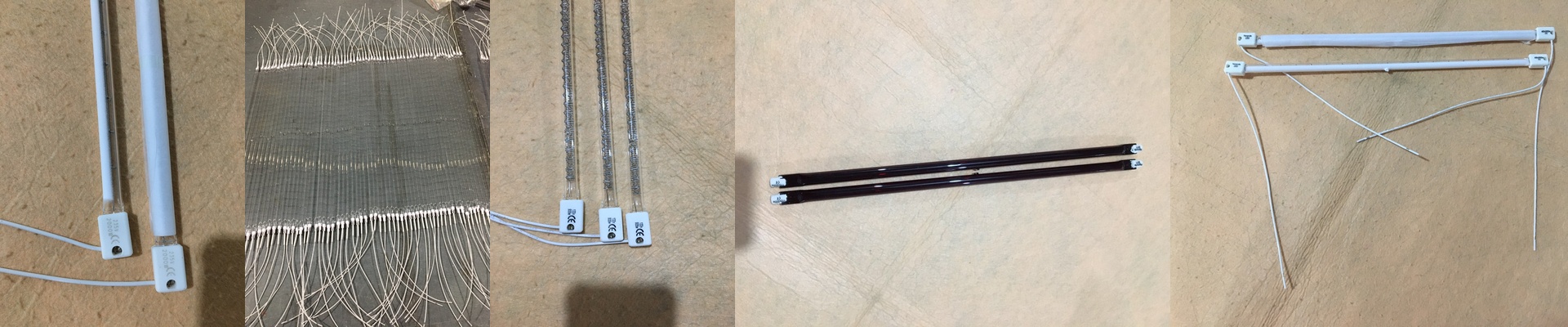
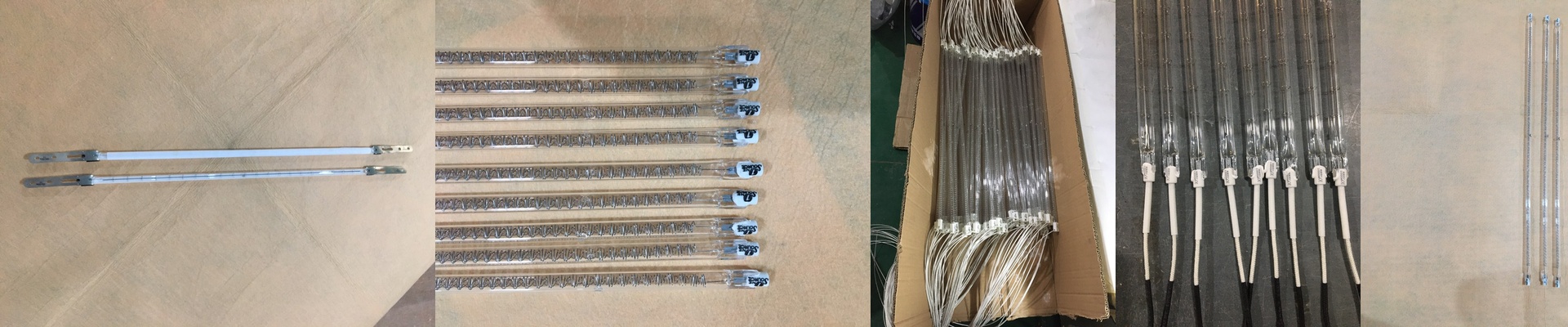
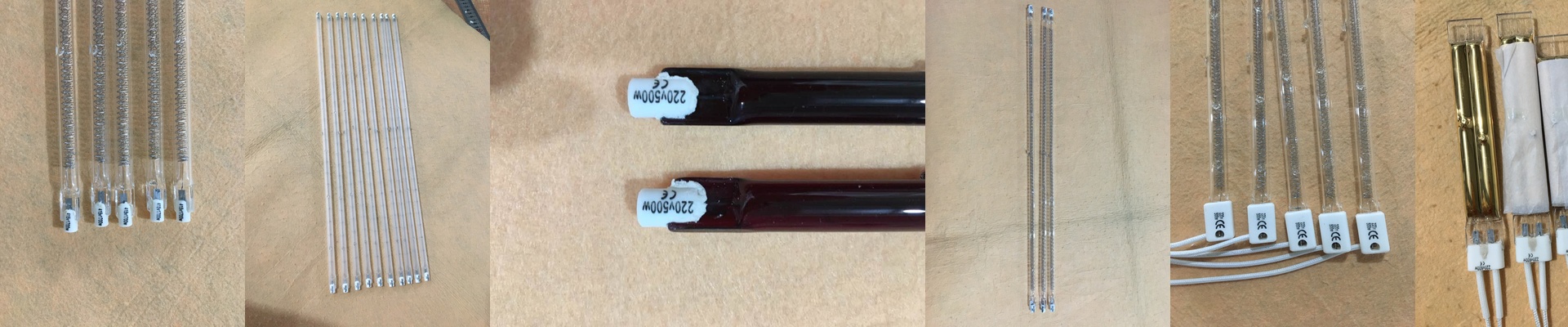
In poultry farming, a dead heating lamp is a nightmare. It’s not just a chore on a to-do list—it’s a genuine risk to your birds. That’s why, before any of our infrared heaters leave the factory, we put every single tube through an electrical aging test. Here’s the deal: most lamps that are going to fail do it almost immediately. It’s usually something tiny. Maybe a microscopic speck of dust in the quartz glass or a slight quirk in how the tungsten filament was wound. You can’t see it with the naked eye, but the moment you wire the lamp up in your coop, pop. It’s gone. We don’t think that’s a fair way to do business. So, we put every tube under a full load for a while. We basically force those hidden flaws to show themselves while the lamps are still here with us, not after they’ve been shipped to your farm. We weed out that 1-2% of duds so that by the time the batch hits your door, you know they actually work. Think about the alternative. Replacing one burnt-out lamp sounds simple, but it’s a pain. You’re climbing ladders, killing the power, and dealing with cold spots in the brooding area. It’s a waste of your time and a stress on the flock. We want you to install these lamps and then just… forget about them. Now, this isn’t the cheapest way to make a heater. Running these tests takes more time and costs more in electricity. A lot of budget shops just skip this step to keep their prices rock-bottom. We chose a different path. We’d rather take the hit on our overhead than have you deal with a failure in the field. When you get our gear, you’re getting a product that has already survived its most unstable phase. It’s ready to work.