Building Heaters That Actually Survive a Horse Stable
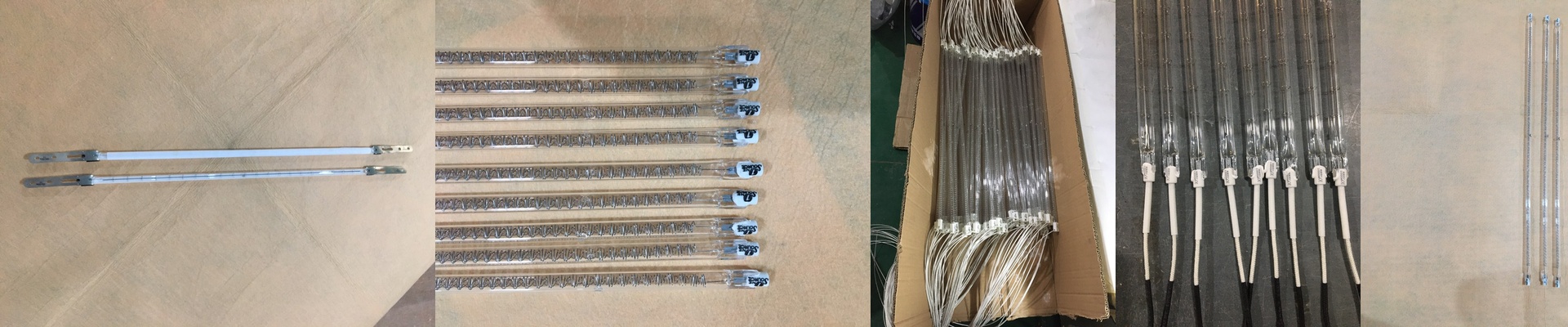
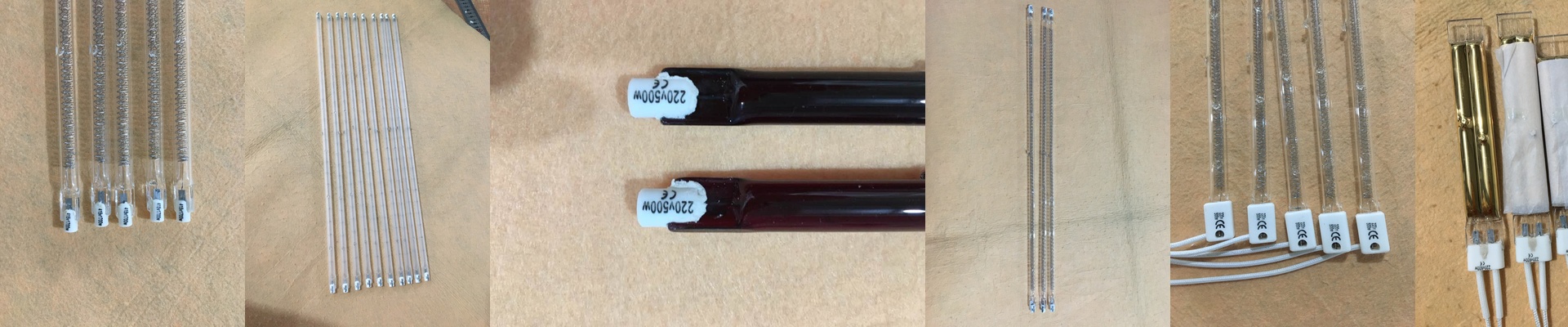
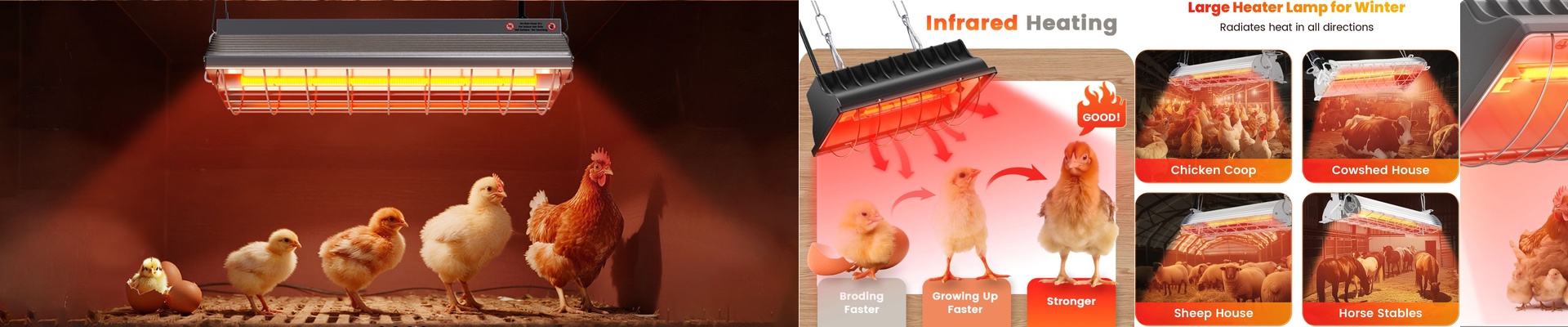
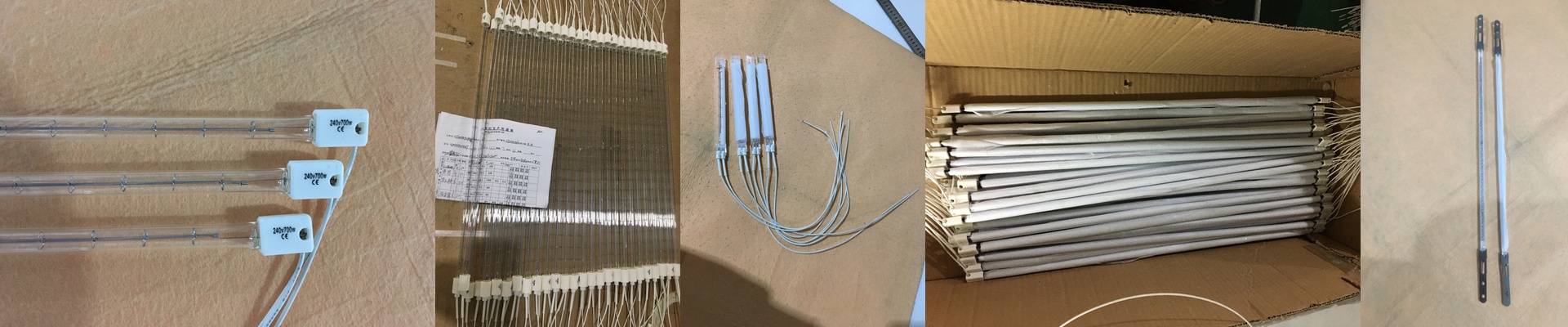
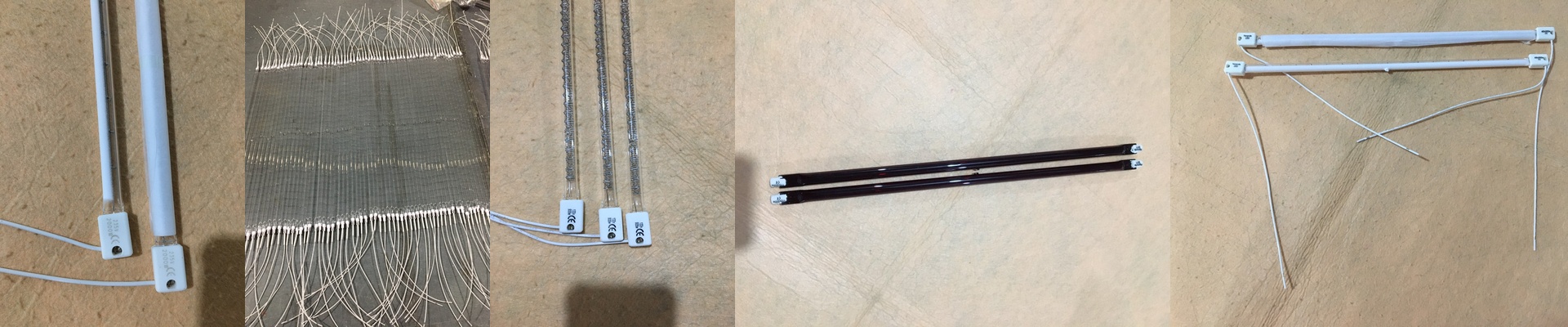
Let’s be honest: horse stables are brutal on equipment. Between the thick dust, the humidity, and the ammonia fumes, most electronics just give up. We build infrared lamps for these kinds of places—large farms where the environment is basically trying to kill the hardware. Because of that, we don’t care about making things look “sleek.” We care about them staying on. Getting the heat right We use shortwave infrared because it’s fast. When it’s sub-zero outside, a horse can’t wait twenty minutes for a heater to warm up; they need relief now. We’ve tweaked the filament length and diameter to make sure the heat doesn’t just sit on the surface. It actually sinks deep into the muscle tissue. Just a heads-up: these things pull a lot of power. Make sure your electrical panels can handle the surge when the banks kick in, or you’ll be staring at a tripped breaker. The guts of the machine To keep these from popping, we use heavy-wall quartz glass. It can handle the shock of going from freezing to scorching without cracking. Inside, we use halogen-filled filaments. This keeps the tungsten from evaporating too quickly, which means the bulbs last a lot longer, even when you’re pushing them to the limit. For the connectors, we stick with R7s or Sk15 bases. They aren’t fancy, but they’re rock solid. They won’t vibrate loose while things are chaotic in the stable. We also add a special coating to the glass. It pushes more energy into the infrared spectrum and cuts down on that bright, blinding glare. Horses get spooked easily, and a giant glowing light isn’t exactly relaxing. The reality of using them These lamps are tanks. We’ve seen them thrive in spots where cheap, store-bought heaters burn out in a couple of weeks. But there’s a trade-off. Because they’re industrial-grade, the glass getsinsanely hot. You can’t just wing it with the installation. Get your mounting brackets and safety cages exactly right. You don’t want a horse touching the tube, and you definitely don’t want a stray piece of hay dust starting a fire.