Let’s Talk About Heating Your Nursery Without Breaking the Bank
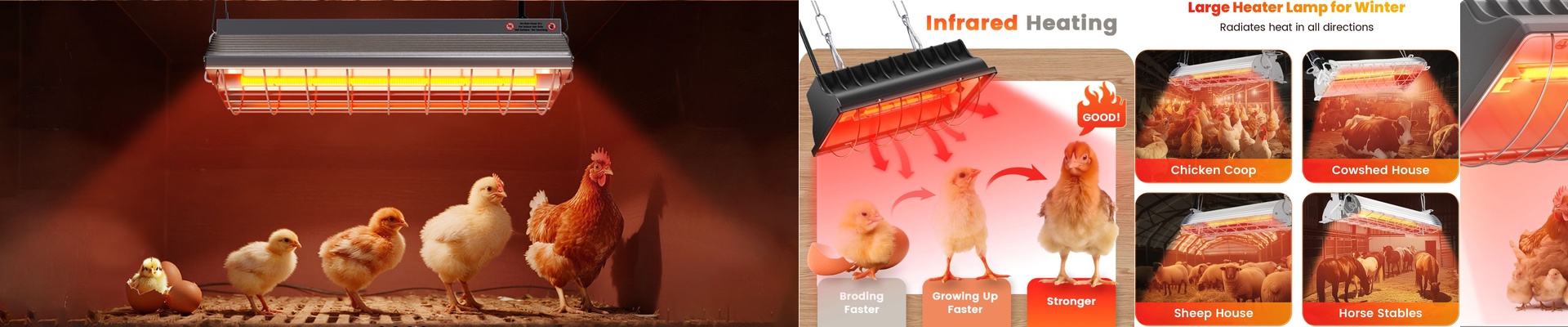
When you’re picking out heating for a swine nursery, it’s easy to just look at the price tag of a lamp. But you aren’t really buying a bulb; you’re trying to keep a litter of piglets alive and thriving. We design our infrared heaters to hit that sweet spot where you aren’t spending a fortune upfront, but you aren’t replacing bulbs every other week either.
Why Shortwave Actually Works
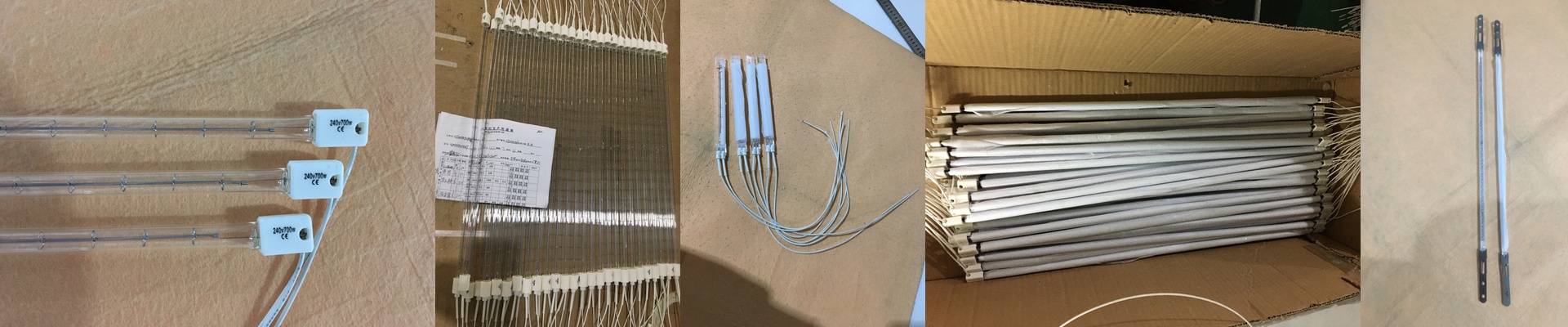
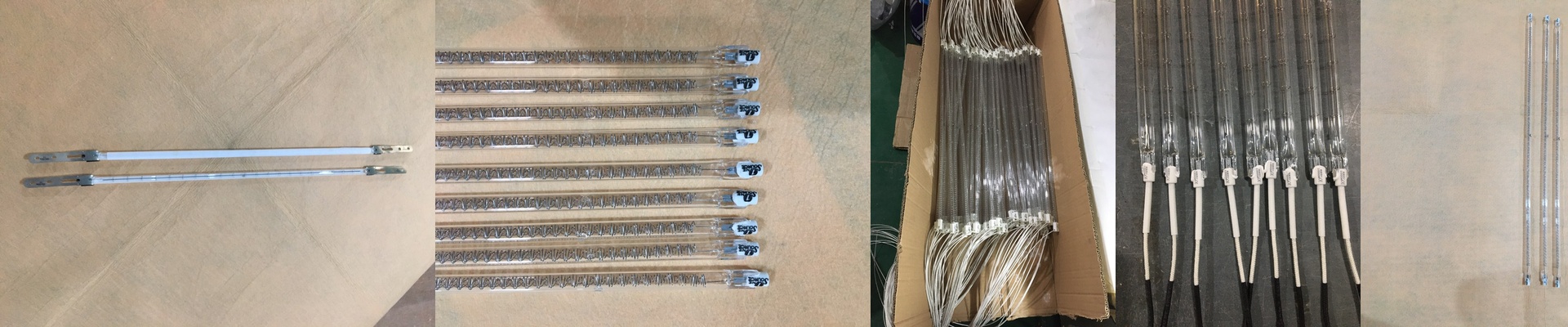
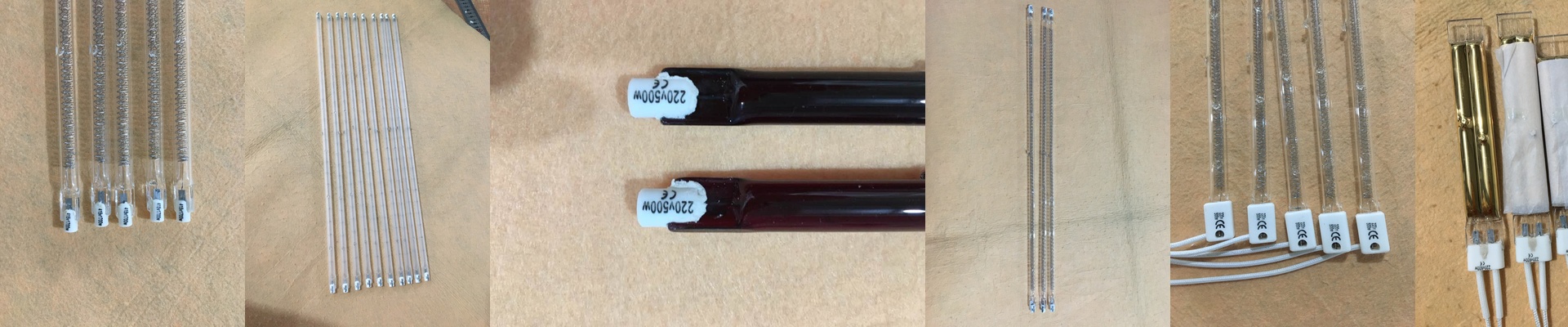
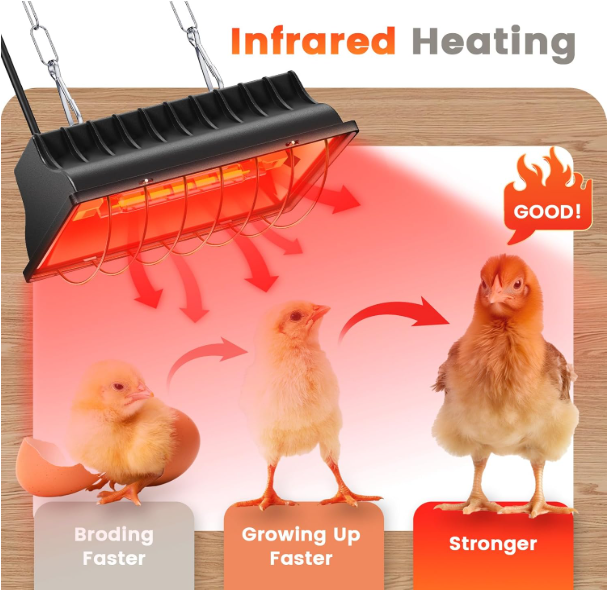
Here is the thing about our lamps: we use high-purity quartz glass and a halogen-filled core. That sounds technical, but all it really means is we can pack more power into a smaller space without the filament just giving up. The best part? Shortwave infrared doesn’t bother heating the air. It goes straight to the piglet. You stop paying to heat the empty space in your barn. We’ve also tuned the coatings so the heat actually gets through the skin, keeping those little guys warm during those first 21 days when it matters most.
Surviving the Barn
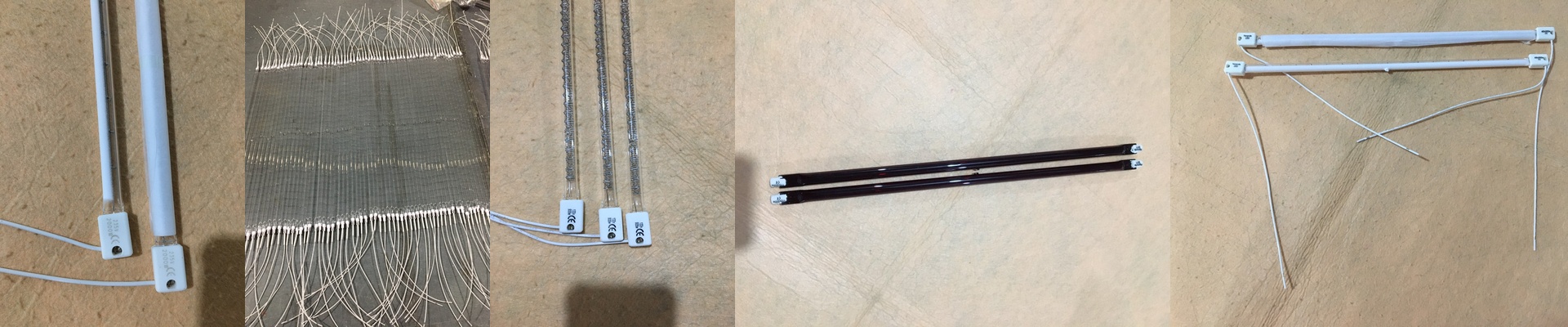
Let’s be honest. Barns are brutal. Between the ammonia gas and the constant humidity, cheap electronics just rot. That’s why we use reinforced R7s or Sk15 bases. We make sure the electrical contact is tight. Why? Because a loose connection creates a hot spot. That hot spot melts your socket, and then your lamp dies. It’s a headache nobody needs. And if your grid runs 380V-400V, you can run more lamps on a single circuit. It means you can use thinner wiring across your ceiling, which saves you a bit more on the install.
The Balancing Act: Heat vs. Lifespan
High-wattage emitters are great for getting things warm fast. Really fast. But if you run them at 100% all the time without a controller, you’re going to burn through them. It’s like redlining your truck engine just to get to the grocery store. I always suggest pairing these lamps with a PID controller. Yeah, it costs a bit more today. But it means you won’t be spending your weekends climbing ladders to swap out dead tubes. It just makes life easier.