Getting Your Brooding Heat Right Without the Markup
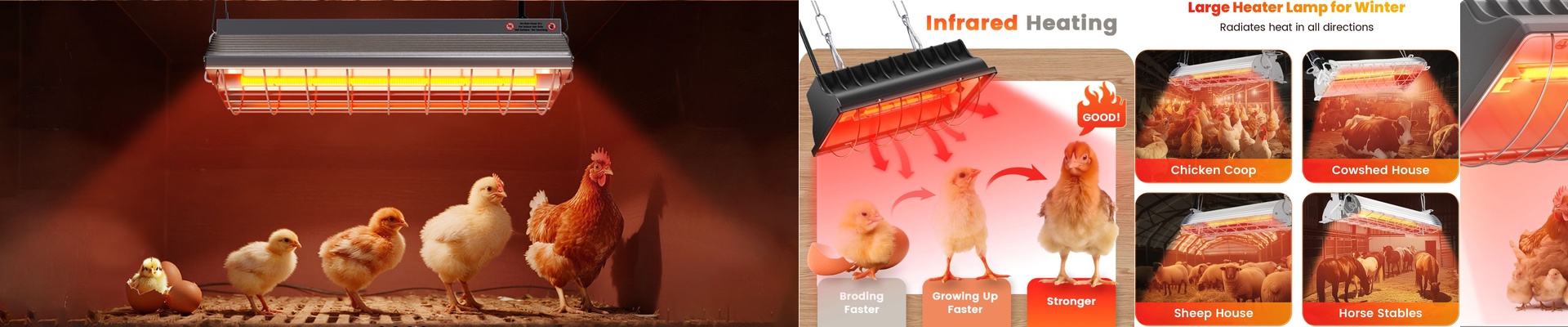
Keeping chicks warm is a balancing act. You need the heat to hit fast, but you can’t have your bulbs popping every other week. Here’s the deal: we make infrared heating lamps ourselves. No distributors, no fancy showrooms, and definitely no middleman adding a 30% markup just for moving a box from one warehouse to another. It goes straight from our shop floor to your farm.
Heat that actually works
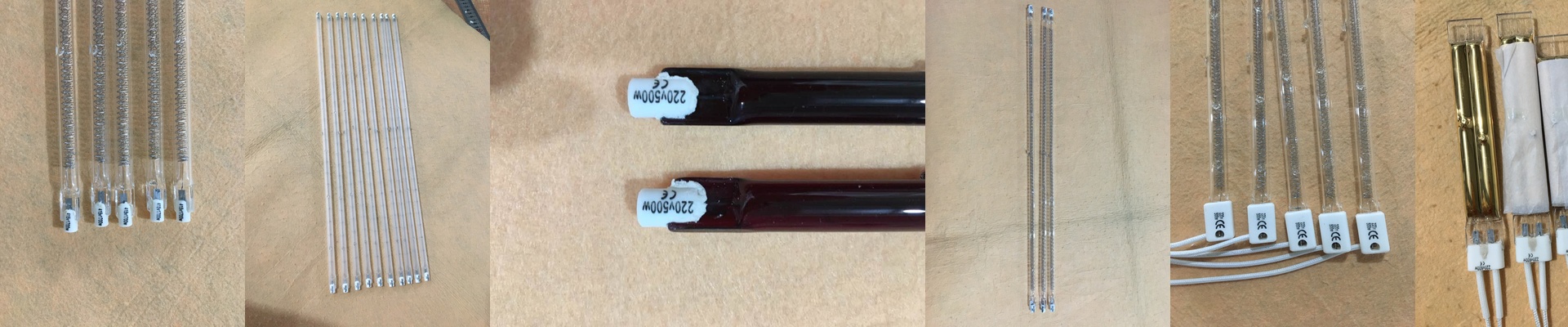
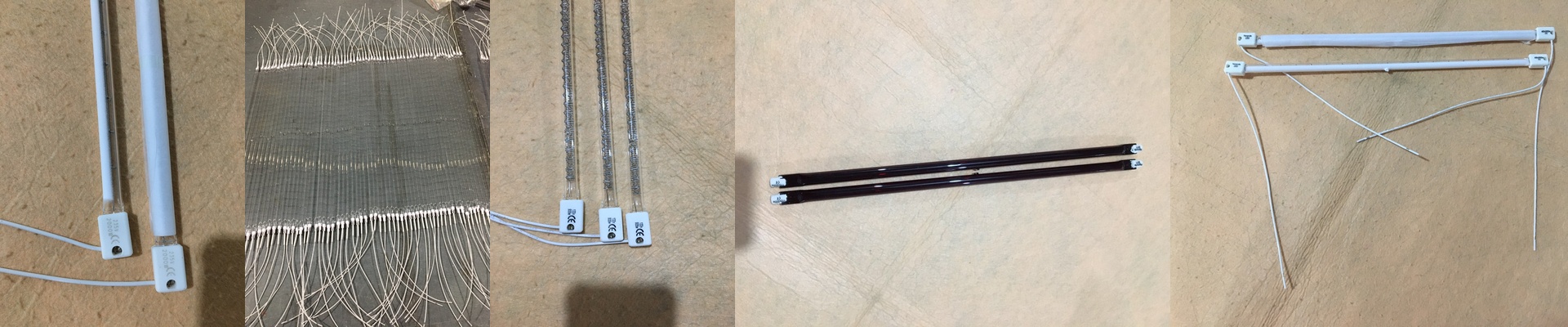
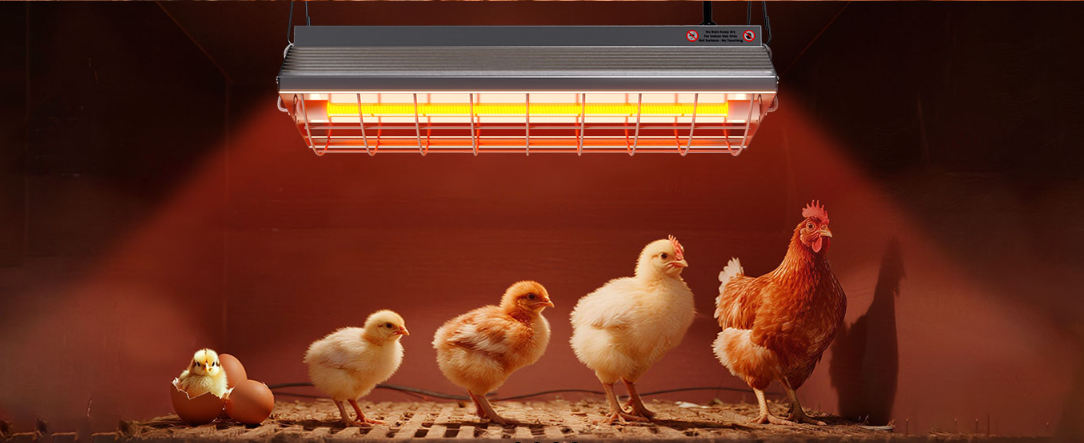
We mostly stick with shortwave infrared. Why? Because it packs a punch. It creates a high heat density, which means your birds stay warm and cozy without having to huddle in a giant, suffocating pile right under the lamp. Farm power grids can be… temperamental, to say the least. We build our lamps to handle those voltage swings so they don’t burn out the moment the power flickers. You just get a steady, reliable heat footprint.
The gear inside
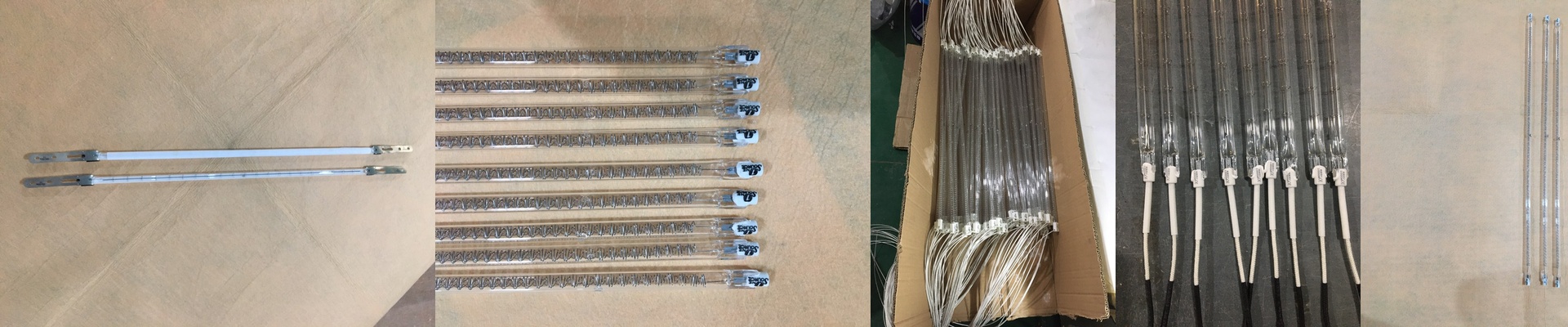
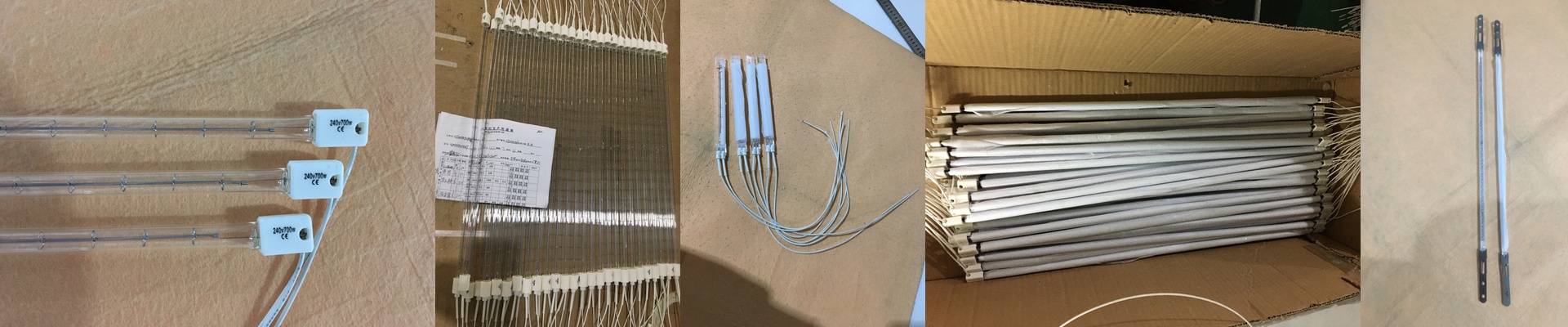
We use high-purity quartz glass for the tungsten filaments. If you’ve ever used cheap glass, you know it hates being turned on and off—it eventually just gives up. Quartz is different. It handles that thermal shock like a champ. Some of our lamps even have special coatings. Instead of wasting energy heating up the empty air in the room, these coatings push the heat straight down toward the livestock. **One quick heads-up though:**these high-wattage quartz tubes are powerful, but they aren’t indestructible. If your setup is a bit rough or gets really dusty, please use guards. One bad bump or a thick layer of grime can crack the glass, and nobody wants to deal with that mid-shift.
Cut out the noise
Buying direct means you aren’t paying for “branding” or some corporate office’s rent. We don’t do fluff. We focus on the electrical tolerances and making sure the hardware actually lasts. Whether you’re wiring a brand-new brooding house or just need to swap out a few dead bulbs in your current array, our lamps fit standard industrial sockets. They just work. It makes those seasonal turnovers a lot less stressful because you aren’t hunting for proprietary parts.