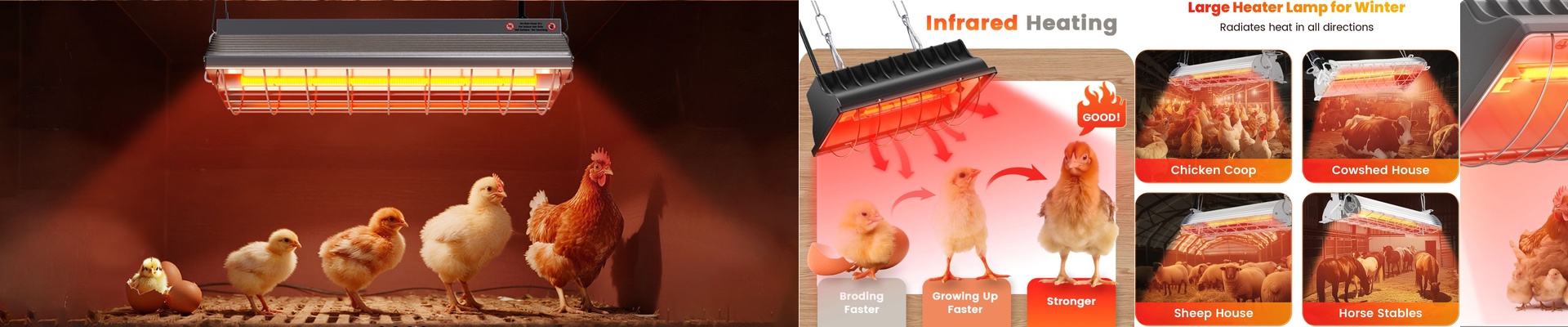
Stop Overpaying for Piglet Heat Lamps
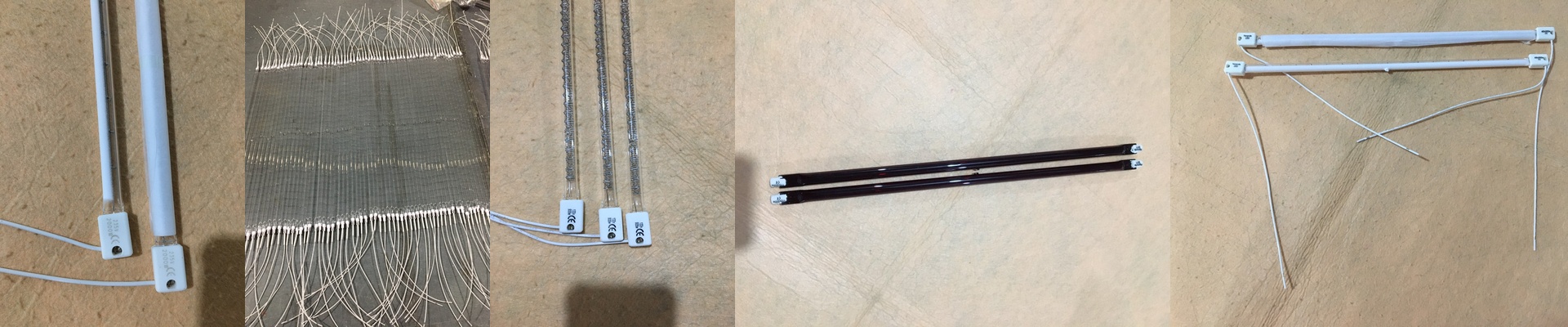
When you’re setting up heat for piglet pens, it’s always a bit of a tightrope walk. You need enough heat to keep them warm, but not so much that you’re risking burns. The big-name brands spend a lot of time tweaking their infrared wavelengths so the heat actually gets into the skin rather than just scorching the surface. We did the same thing. We built our lamps to hit those same performance curves. The best part? They just work. You can pop them right into your existing fixtures without having to touch your wiring or call in an electrician.
Getting the Heat Right
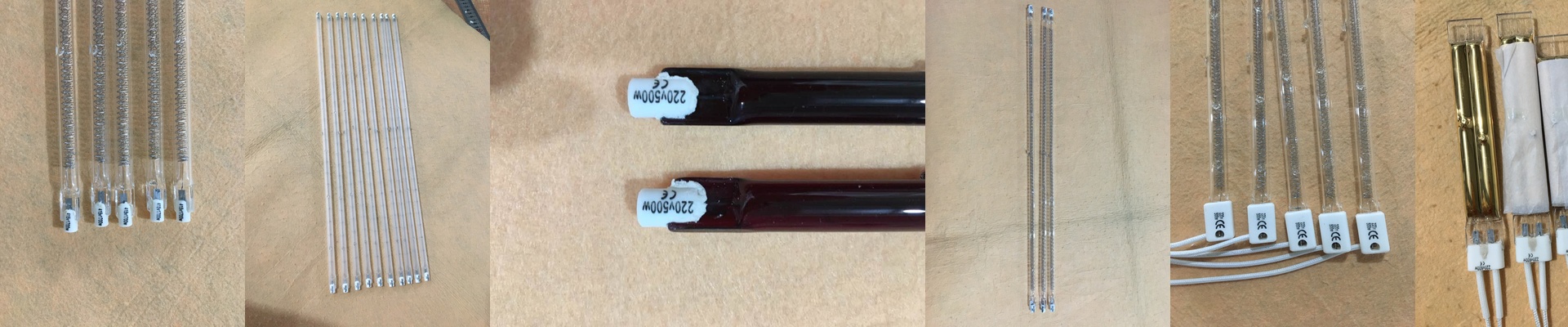
We’ve engineered these to stay steady, even when your voltage starts acting up. By focusing on short-wave and medium-wave infrared, the heat hits the piglets fast. We also used heavy-wall quartz glass. Why? Because cheap glass bows and warps under high heat. Ours stays straight. Just a heads-up: if you’re packing high-wattage lamps into a small space, the air is going to get hot. Make sure your ventilation can handle the load, or you’ll end up with heat-stressed animals.
The Nitty-Gritty Stuff
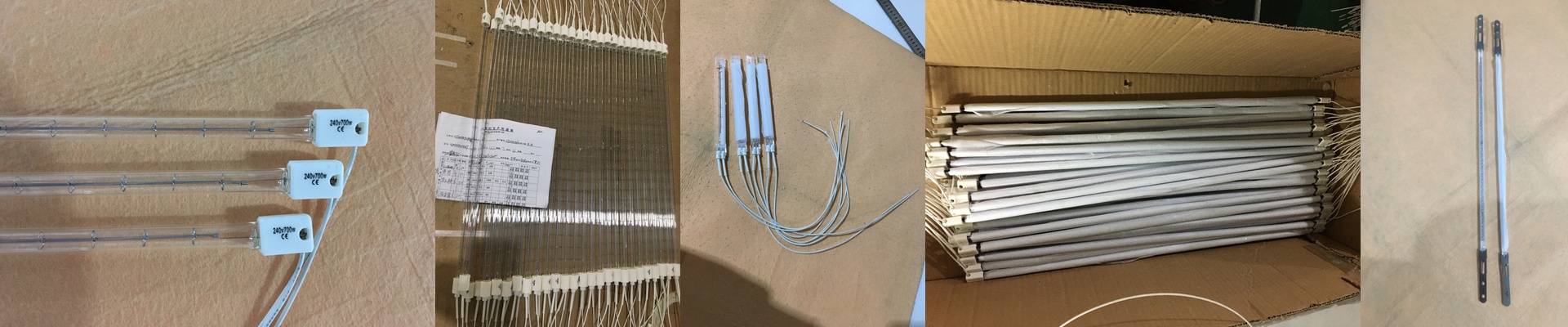
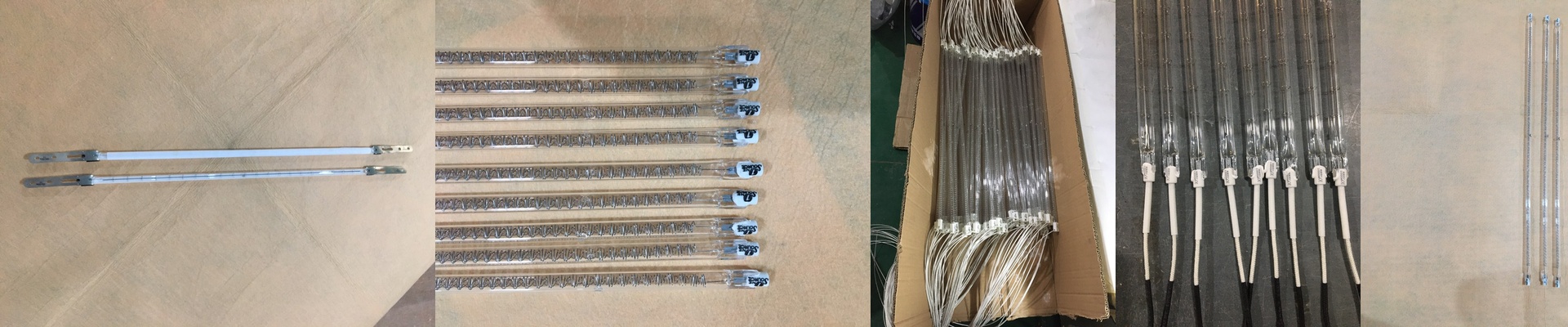
Inside the tube, we use a halogen fill. It basically recycles the tungsten back onto the filament, which keeps the lamp from burning out way too early. It lasts longer. Period. For the fit, we stuck with standard R7s and Sk15 bases. You can swap a dead lamp in a few seconds and get back to work. We also refused to use those cheap alloys for the contacts. Those things oxidize the second they get hot, which leads to flickering and voltage drops. Not on our watch.
Real-World Use
Farms are dusty. They’re humid. They’re tough on gear. That’s why we treated the quartz to fight off corrosion. You’re getting the exact same warmth and performance as the expensive brands, just without the “brand name” tax. Before you order, just double-check your socket voltage. You’ll want to make sure the wattage matches what your circuit breaker can actually handle.