Stop Looking at the Price Tag and Start Looking at Your Chicks
When you’re shopping for brooder heaters, it’s easy to get caught up in the sticker price. But here’s the thing: the cost of the lamp isn’t what actually matters. What matters is how much it costs you per chick, per cycle. We build our heavy-duty infrared lamps because we’re tired of seeing farmers buy “cheap” gear that fails when it matters most. We want you to stop worrying about the initial bill and start thinking about how your operation actually runs day-to-day.
How the heat actually works
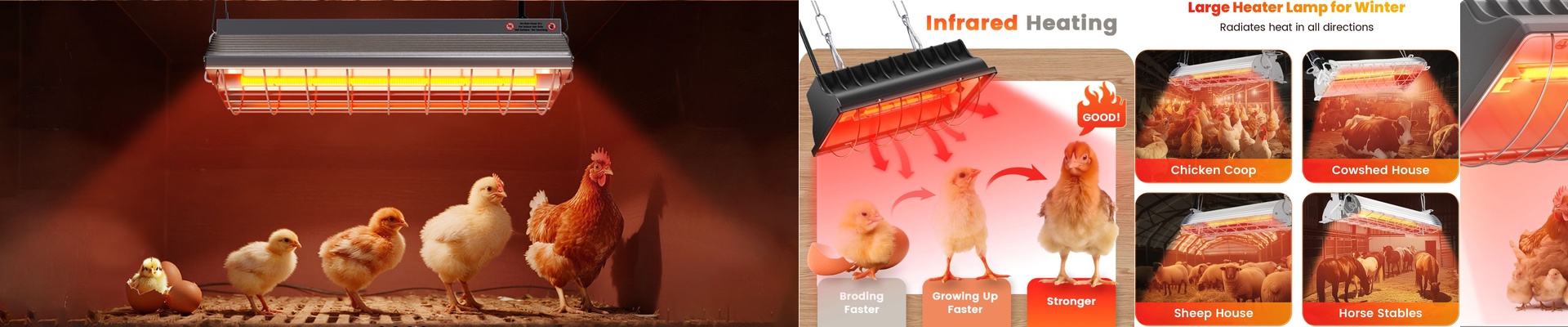
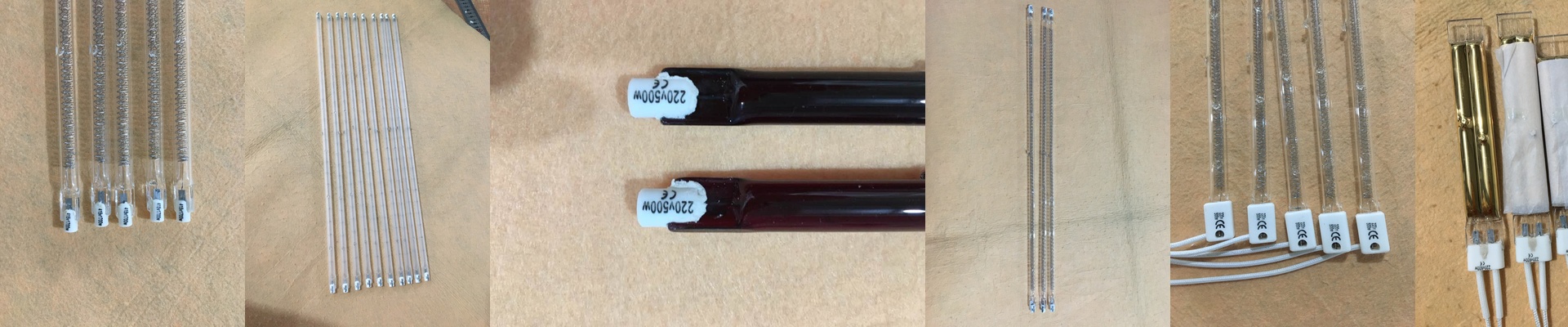
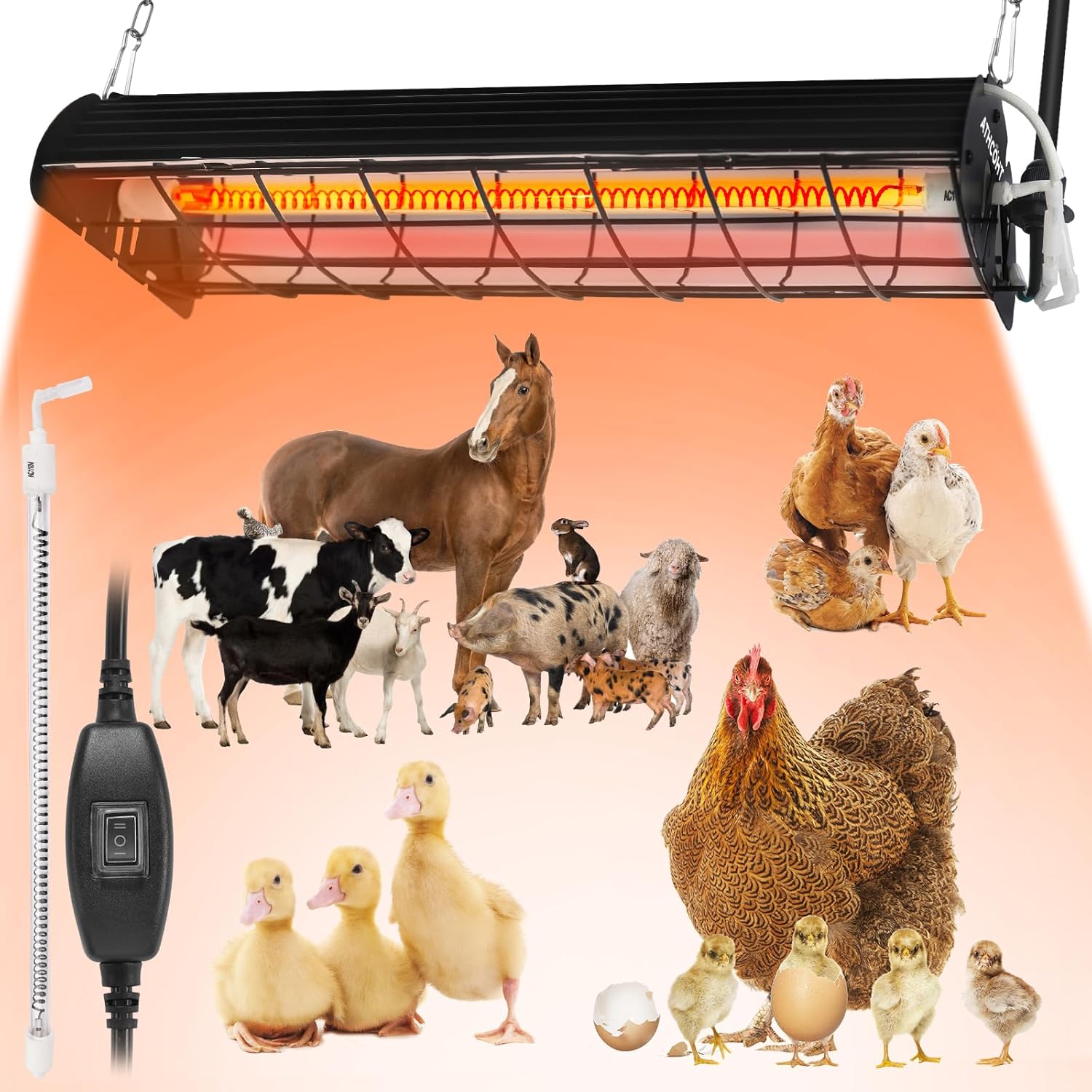
Most forced-air systems try to heat the entire room. That’s a waste. You’re basically paying to heat the ceiling and the empty air. Our lamps use short-wave infrared. Instead of warming the air, the energy goes straight through the chick’s down. It’s like standing in the sun on a crisp autumn day—you feel the warmth instantly, even if the breeze is cold. We use high-purity quartz glass to make sure that heat actually hits the birds instead of getting trapped in the bulb.
The nitty-gritty on the build
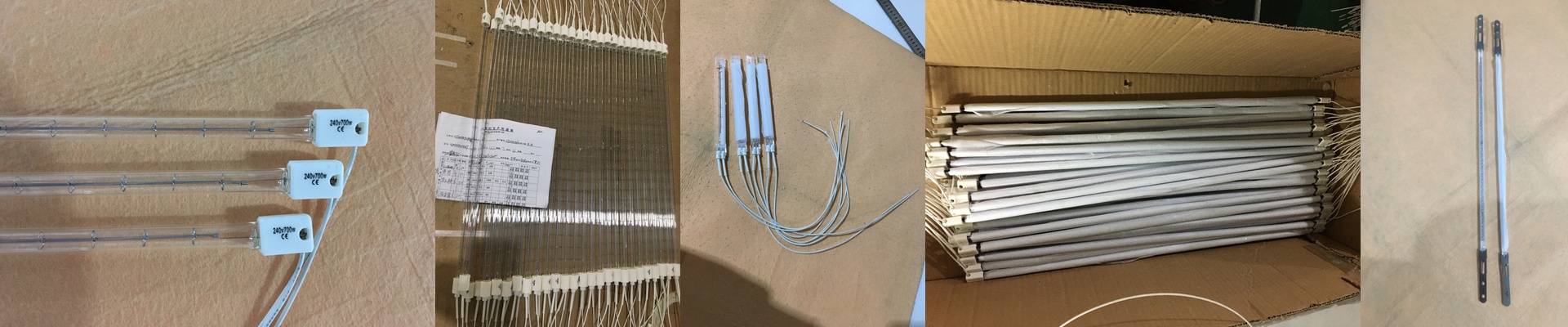
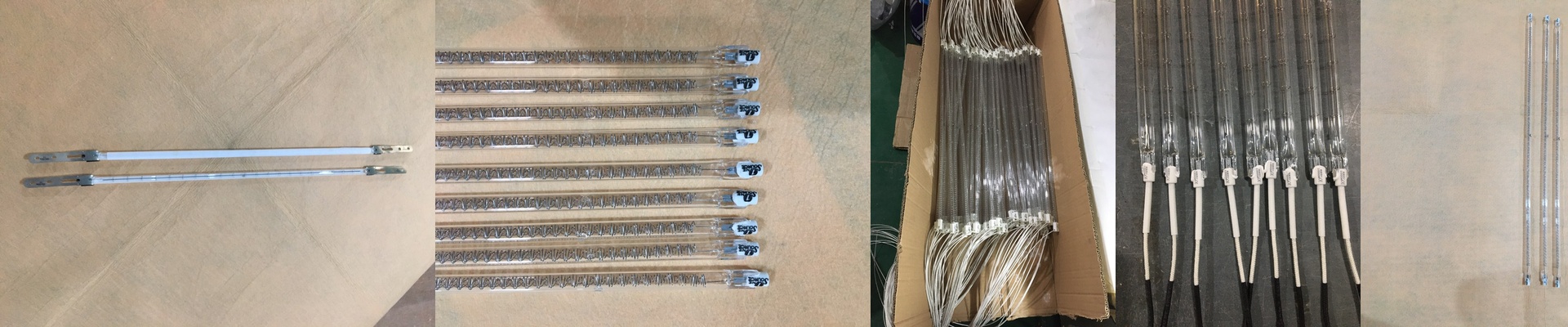
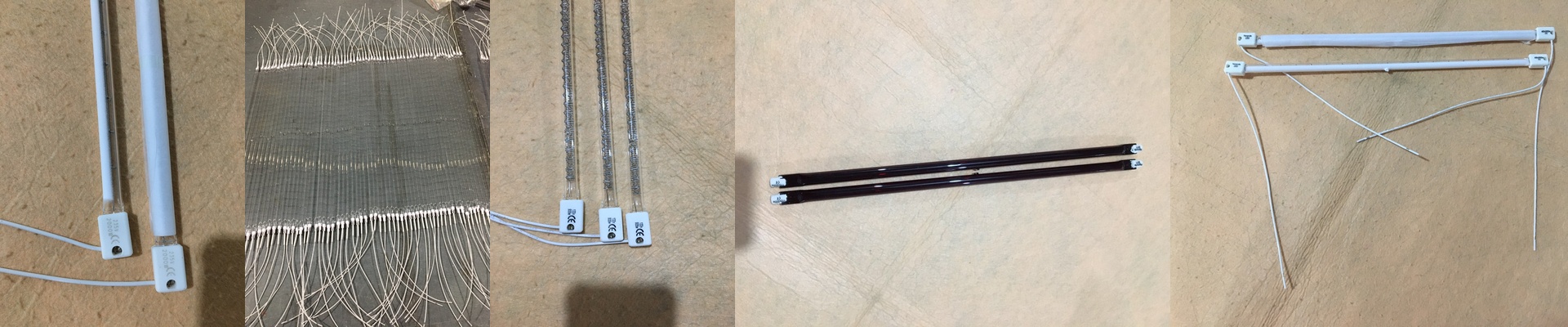
These aren’t your average lightbulbs. We use reinforced filaments and special coatings because we know poultry houses are brutal. They’re dusty, they’re full of ammonia, and they’re tough on equipment. Our lamps are built to run 24/7 for those first 14 critical days without blinking. We’ve got different wattage options depending on how big your house is, so you can get exactly the amount of heat you need. One quick tip: check your electrical panel before you go all-in. If you put a massive array of high-wattage lamps on undersized wiring, your voltage will drop. When that happens, your heat disappears. It’s worth a five-minute check of your breakers now to avoid a disaster later.
The real math
Cheap heaters love to quit right in the middle of a cycle. Imagine a cold snap hits and a few lamps burn out. Suddenly, your chicks are huddling together for warmth. That leads to uneven growth, stressed birds, and—worst of all—dead chicks. That’s why we build these to take a beating. Yeah, you spend a bit more upfront. But you aren’t spending your weekends swapping out dead bulbs or losing part of your crop because a heater gave up the ghost at 2 AM. Less downtime, healthier birds, and more consistent growth. That’s how you actually make your money back.